

2026 State of the Art Prize, Oregon
2026 State of the Art Prize, Oregon
Juniper Harrower
Juniper Harrower
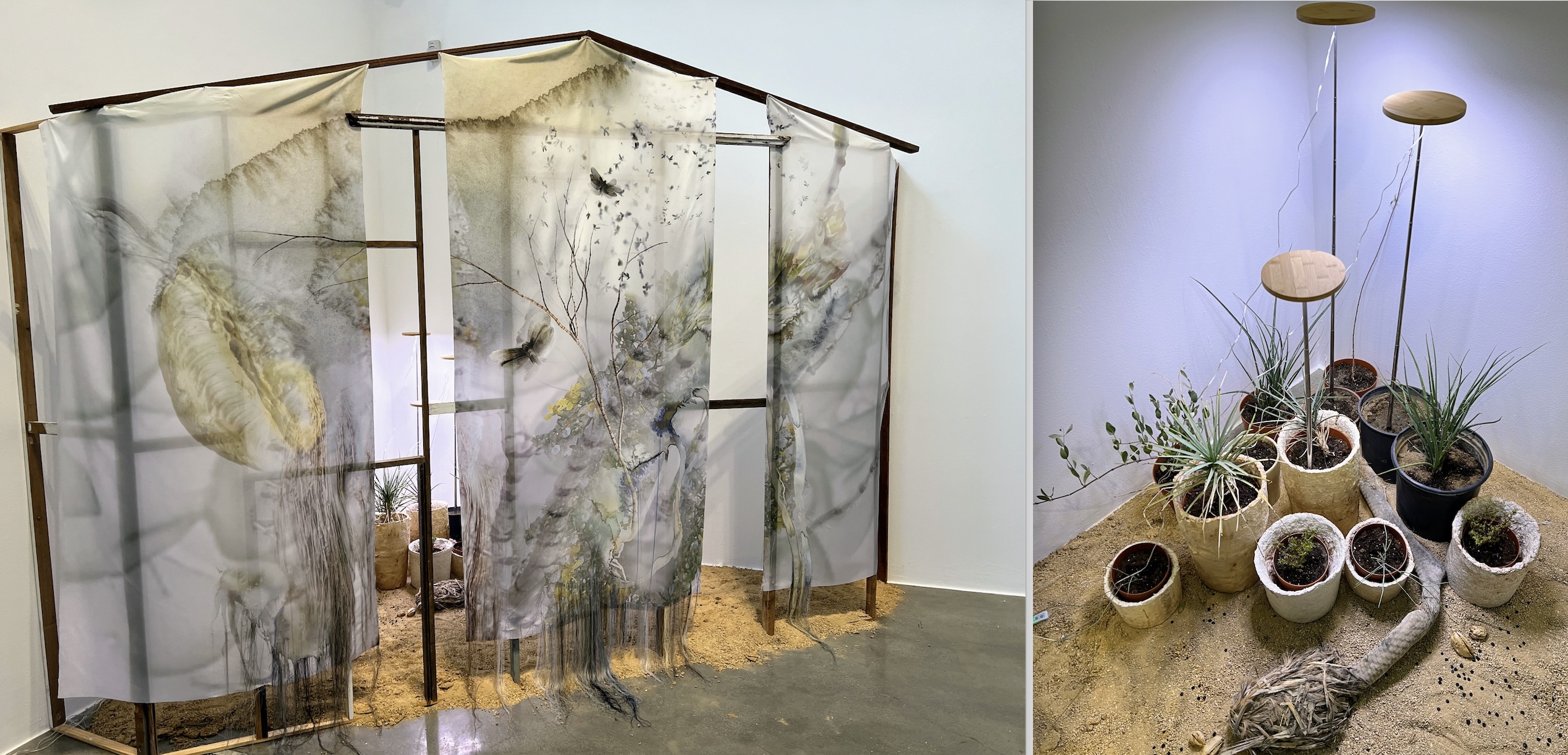
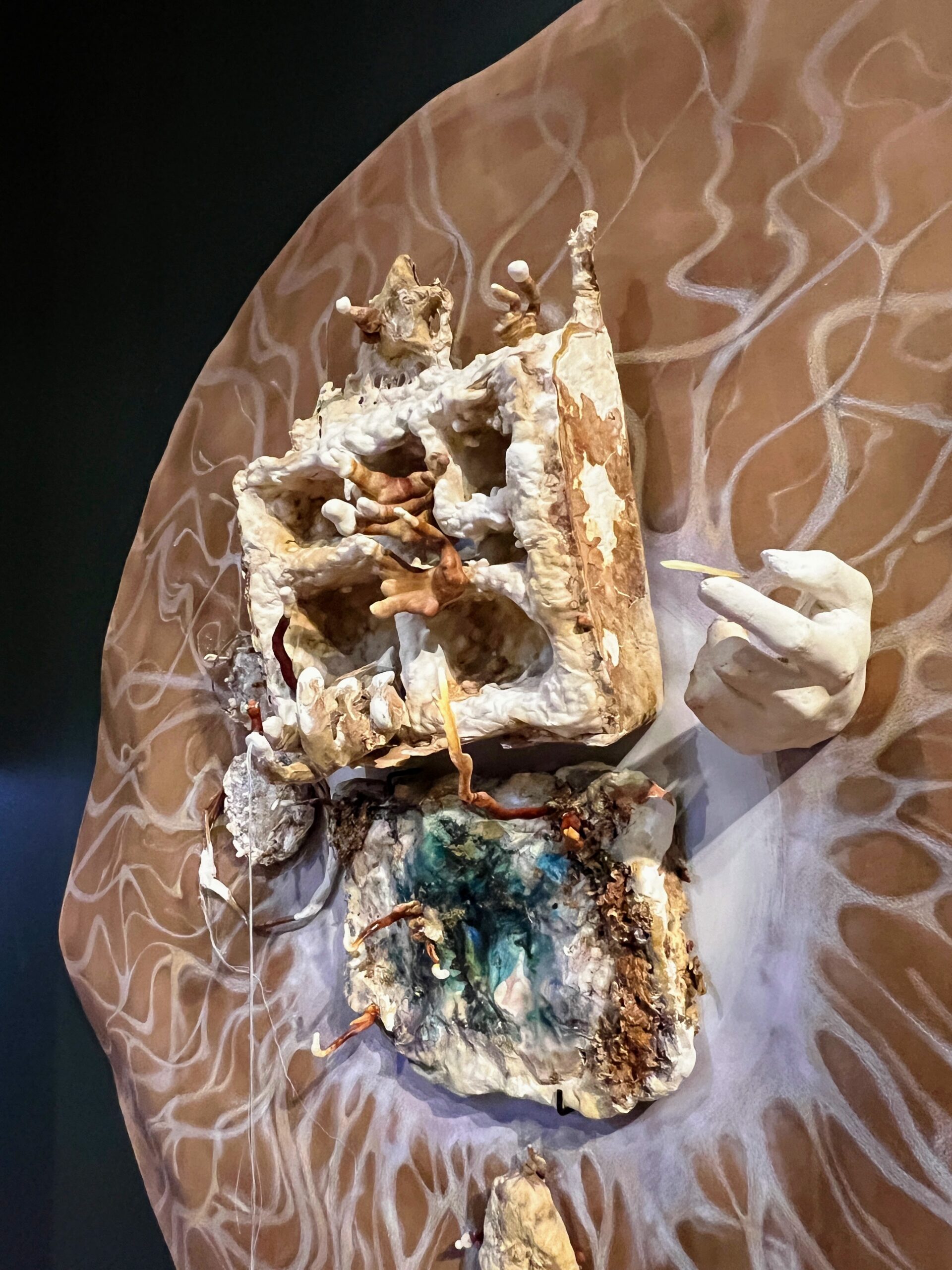
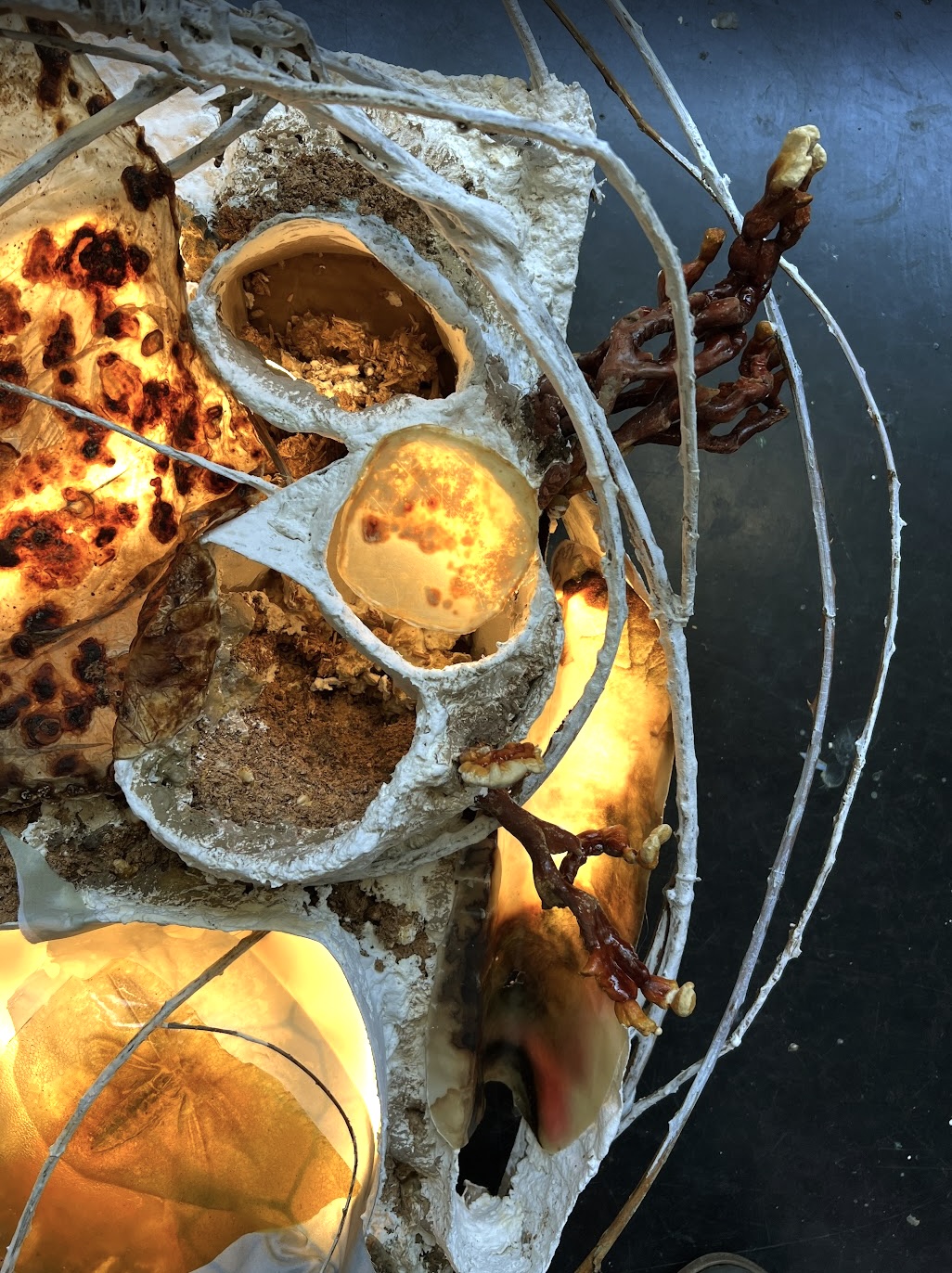
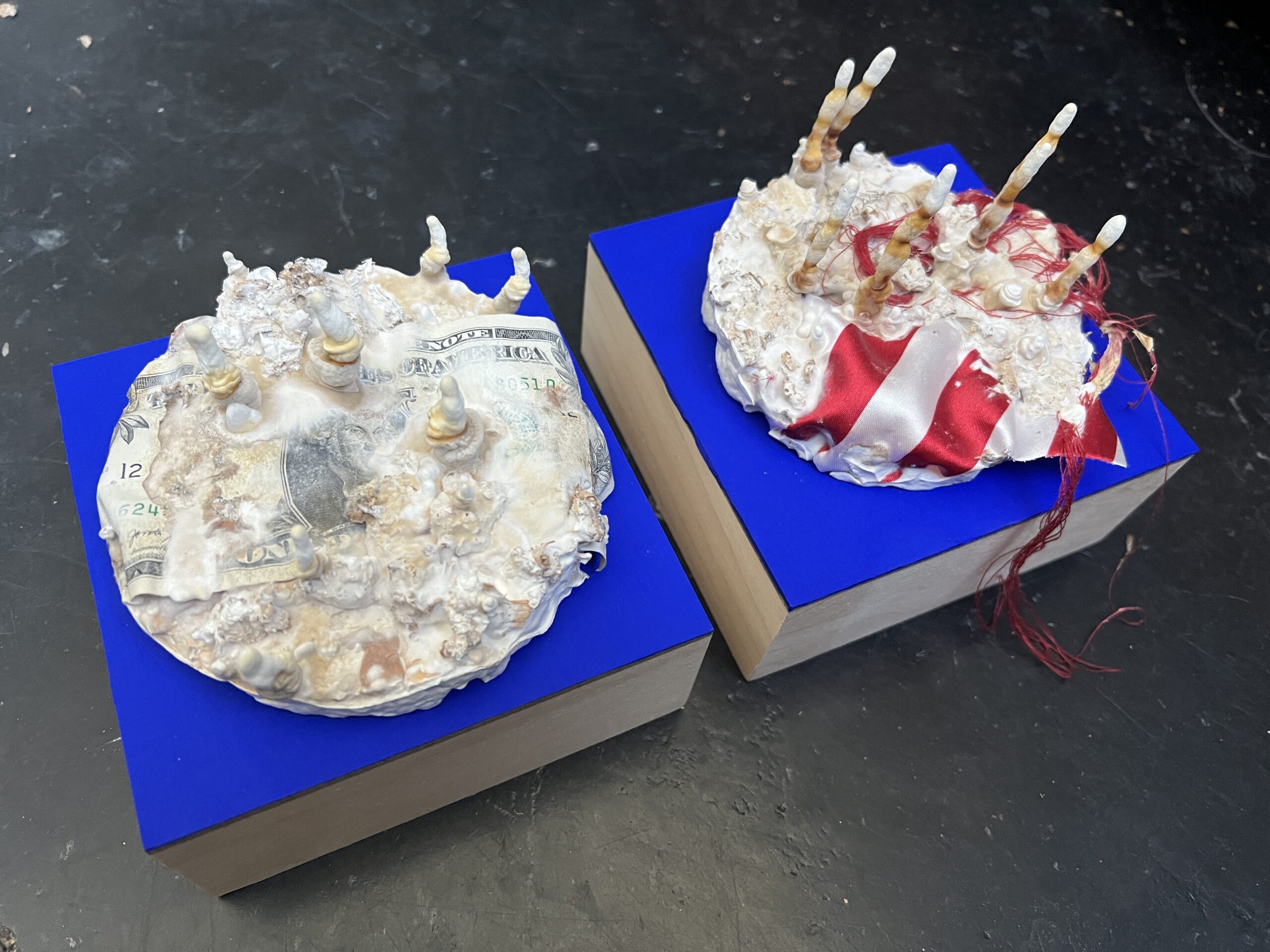
Juniper Harrower is a feminist ecologist and Professor of Environmental Art at Reed College. Her studio-laboratory illuminates power dynamics and ecologies of repair for multispecies relations, drawing from ecological science, visual art, and critical theory to explore the intersections of environmental justice, posthumanism, and collaborative survival across species.
Ecological Art, Social Practice, Socially-Engaged Visual Art, Visual Arts
2026
About Juniper Harrower
Portland, OR
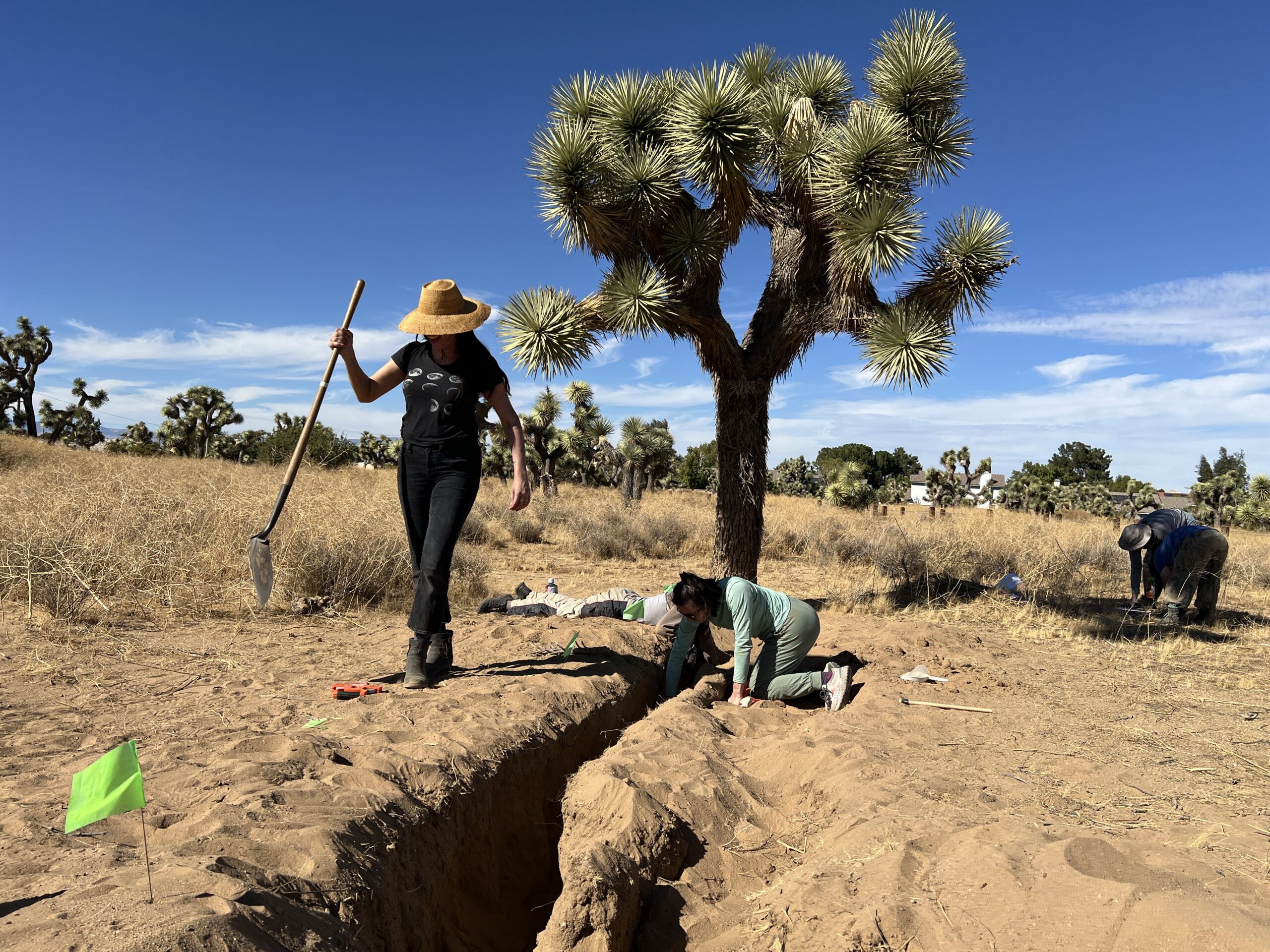
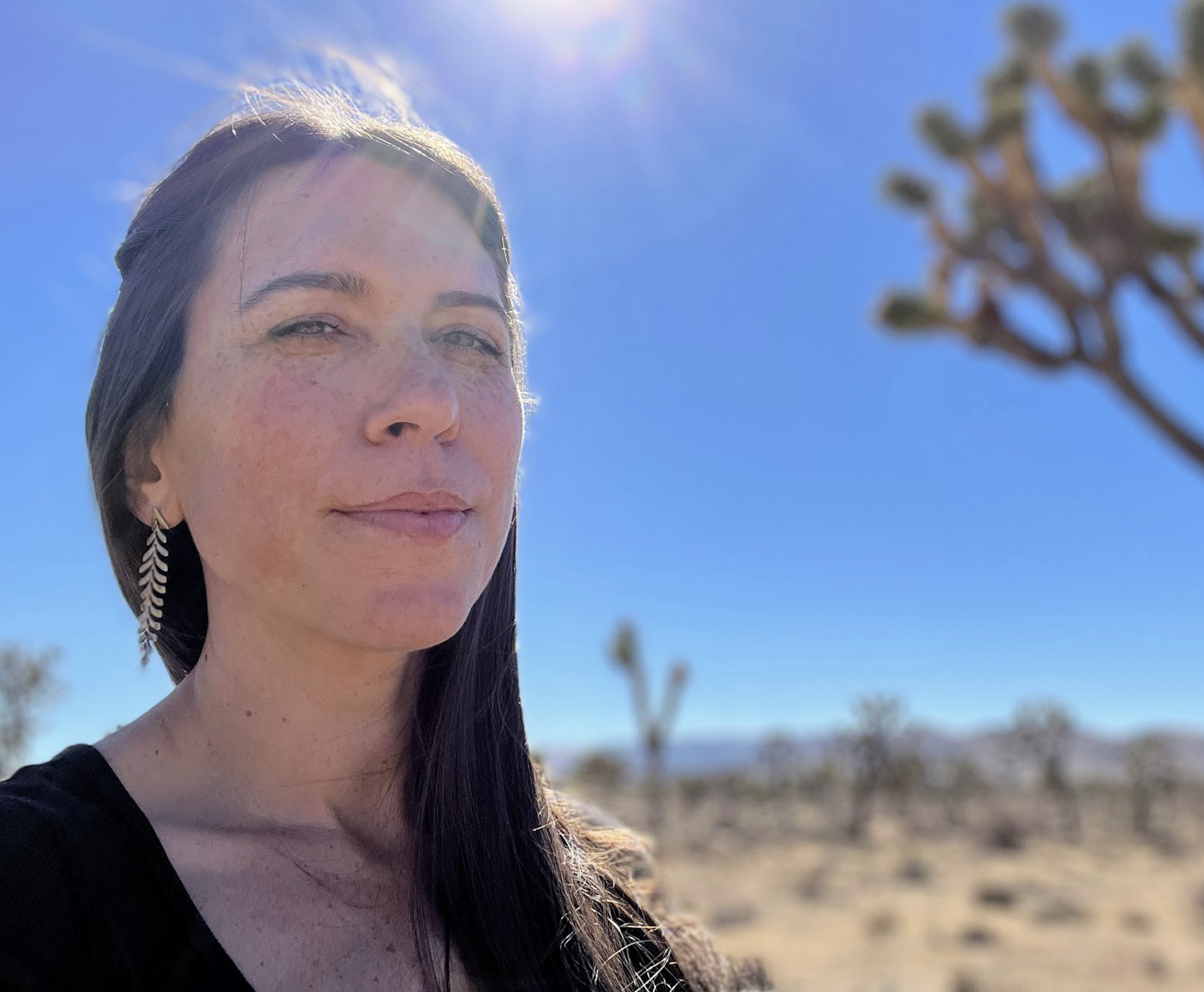 Juniper Harrower is an artist, feminist ecologist, and scholar whose research focuses on multispecies entanglements in the context of climate change and interspecies care. Born in Joshua Tree, California, Harrower’s early connection to desert ecologies has profoundly shaped her creative and scientific inquiries. Her work engages the ecological and cultural significance of the Joshua tree and has directly contributed to critical species protection efforts in California. Drawing from ecology, visual art, and the environmental humanities, Harrower investigates the complex relationships between humans, plants, fungi, and other species. Her practice blends scientific methodologies with experimental visual forms to create immersive, often living artworks that reimagine restoration, ritual, and reciprocity. She is the co-editor of Desert Forest: Life with Joshua Trees (Inlandia Institute, 2024), a multidisciplinary book of essays, poetry, and visual art on desert ecologies, and she is currently developing a body of work exploring fungal entanglements, invasive species, and posthuman ecological repair. Harrower holds a PhD in plant ecology from UC Santa Cruz, an MFA in art practice from UC Berkeley, and a teaching credential focused on multicultural education. Her work has been exhibited or supported by institutions including Yerba Buena Center for the Arts, Berkeley Art Museum, the Getty, California Academy of Sciences, Palm Springs Art Museum, ISEA Montréal, and Joshua Tree National Park. She is the recipient of numerous fellowships, such as the National Science Foundation, Andrew Mellon Foundation, and Cota Robles, and publishes across both peer-reviewed and public-facing platforms. Her work has appeared in National Geographic , ArtForum , Kunstforum International , KCET Artbound , C Magazine , and The Modern Art Notes Podcast , among many others. She is the founder of the Art+Science Initiative at UC Santa Cruz Norris Center, taught art at UC Berkeley, and is currently Assistant Professor of Environmental Art at Reed College, where she leads a transdisciplinary studio-lab that illuminates the power dynamics of extractive processes on multispecies life.
Juniper Harrower is an artist, feminist ecologist, and scholar whose research focuses on multispecies entanglements in the context of climate change and interspecies care. Born in Joshua Tree, California, Harrower’s early connection to desert ecologies has profoundly shaped her creative and scientific inquiries. Her work engages the ecological and cultural significance of the Joshua tree and has directly contributed to critical species protection efforts in California. Drawing from ecology, visual art, and the environmental humanities, Harrower investigates the complex relationships between humans, plants, fungi, and other species. Her practice blends scientific methodologies with experimental visual forms to create immersive, often living artworks that reimagine restoration, ritual, and reciprocity. She is the co-editor of Desert Forest: Life with Joshua Trees (Inlandia Institute, 2024), a multidisciplinary book of essays, poetry, and visual art on desert ecologies, and she is currently developing a body of work exploring fungal entanglements, invasive species, and posthuman ecological repair. Harrower holds a PhD in plant ecology from UC Santa Cruz, an MFA in art practice from UC Berkeley, and a teaching credential focused on multicultural education. Her work has been exhibited or supported by institutions including Yerba Buena Center for the Arts, Berkeley Art Museum, the Getty, California Academy of Sciences, Palm Springs Art Museum, ISEA Montréal, and Joshua Tree National Park. She is the recipient of numerous fellowships, such as the National Science Foundation, Andrew Mellon Foundation, and Cota Robles, and publishes across both peer-reviewed and public-facing platforms. Her work has appeared in National Geographic , ArtForum , Kunstforum International , KCET Artbound , C Magazine , and The Modern Art Notes Podcast , among many others. She is the founder of the Art+Science Initiative at UC Santa Cruz Norris Center, taught art at UC Berkeley, and is currently Assistant Professor of Environmental Art at Reed College, where she leads a transdisciplinary studio-lab that illuminates the power dynamics of extractive processes on multispecies life.