
Embassy of the Refugee
Embassy of the Refugee
caleb (kaleb) Duarte
caleb (kaleb) Duarte
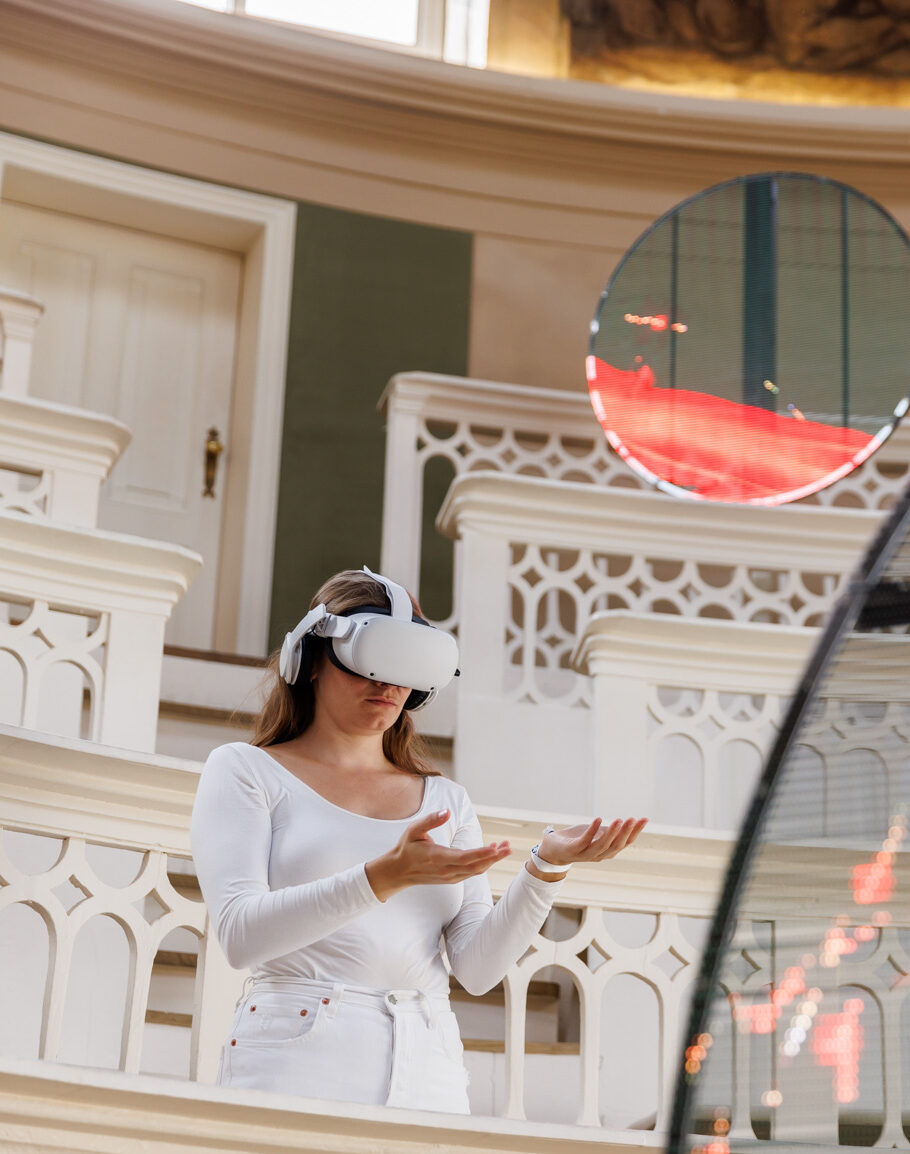
Situated on and around San Francisco’s controversial Pioneer Monument, kaleb Duarte’s (2019 Creative Capital Awardee) Embassy of the Refugee is a sculptural intervention and durational performance. The installation challenges a landmark that, since its dedication in 1894, has glorified conquest, westward expansion, and violence against Indigenous peoples. A rusted scaffold surrounds the site, while strips of gold Mylar wrap and “gild” the structure, evoking the emergency blankets carried and distributed among displaced people. A suspended mesh enclosure references temporary refugee shelters and other provisional forms of sanctuary.
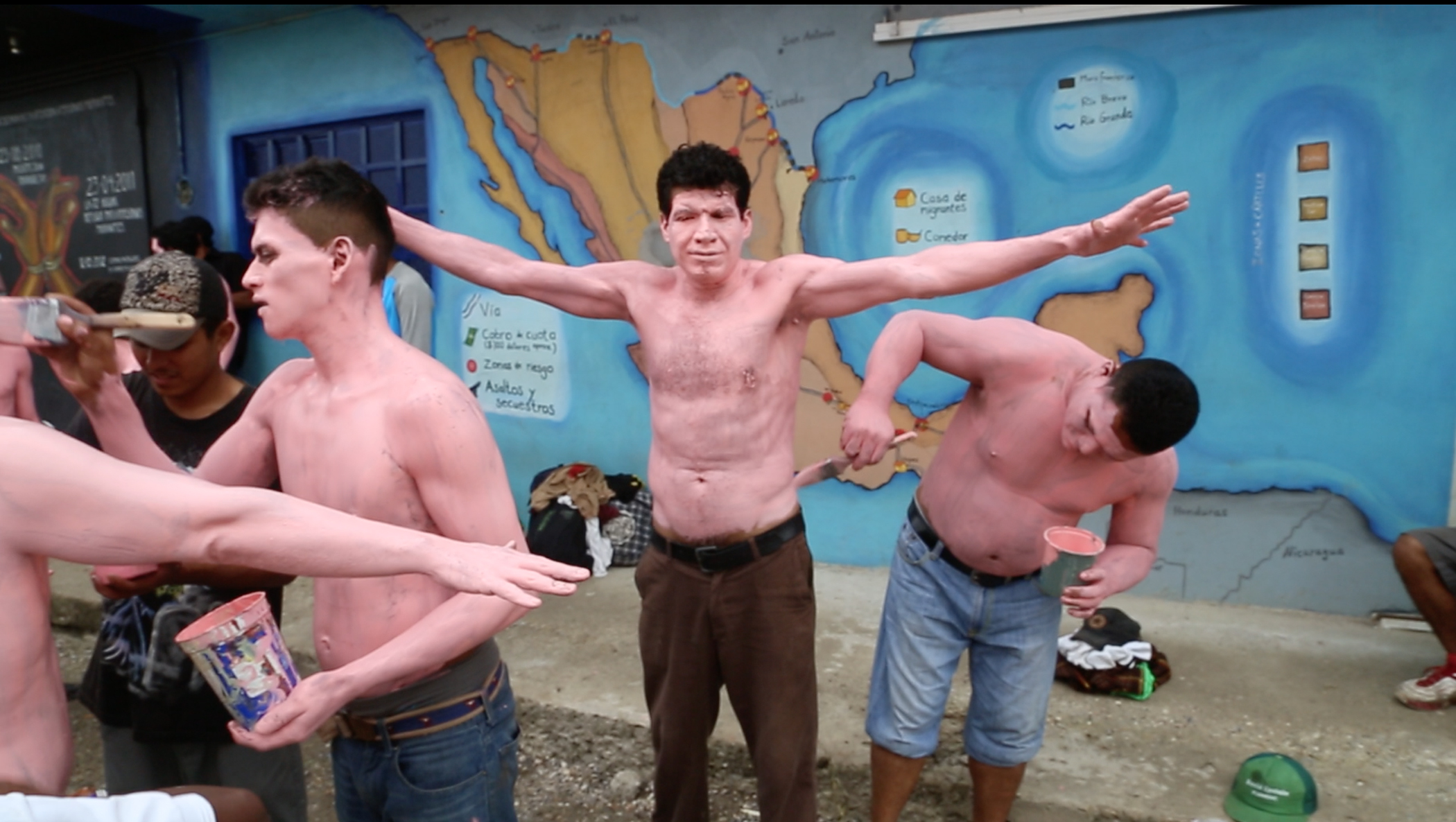
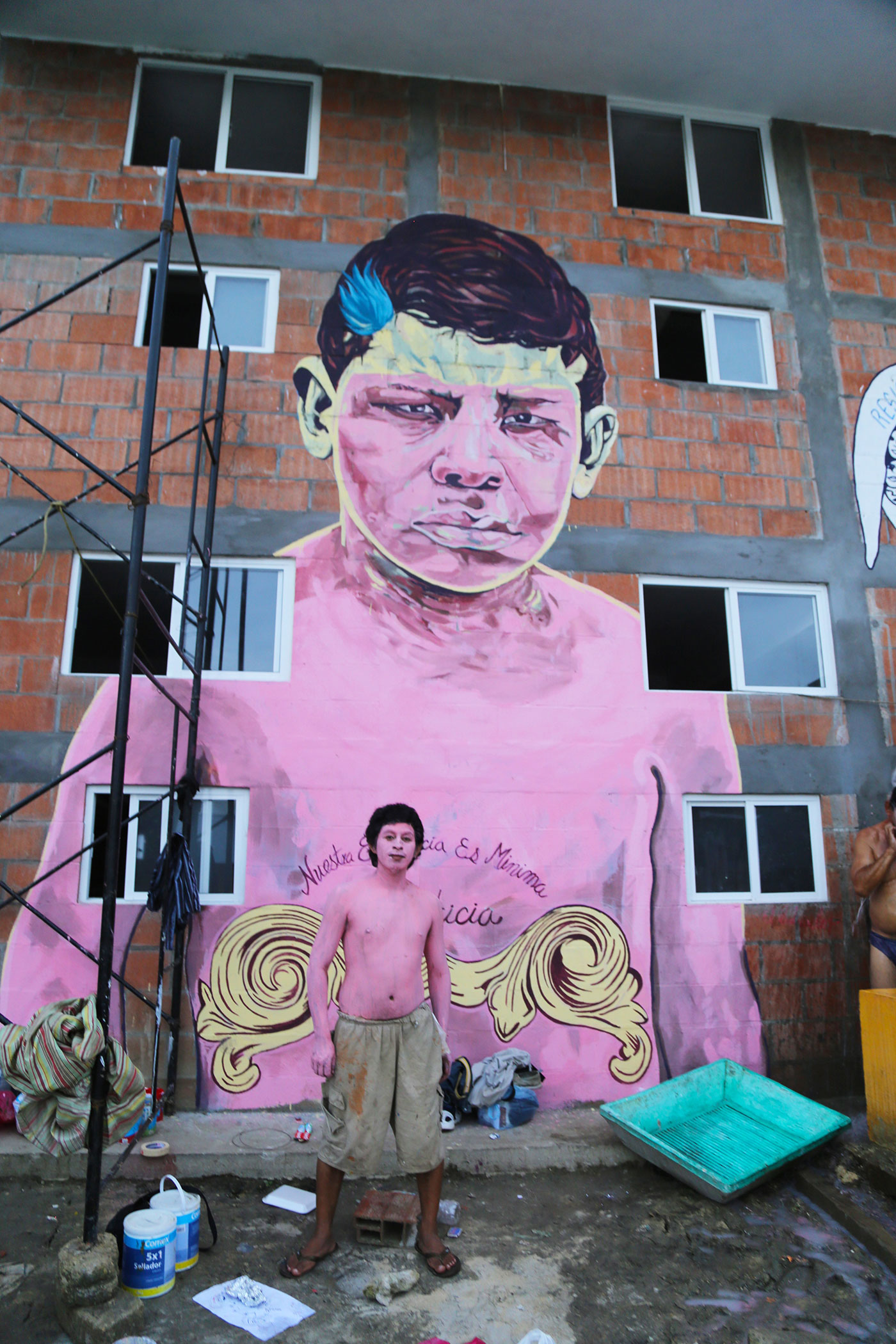
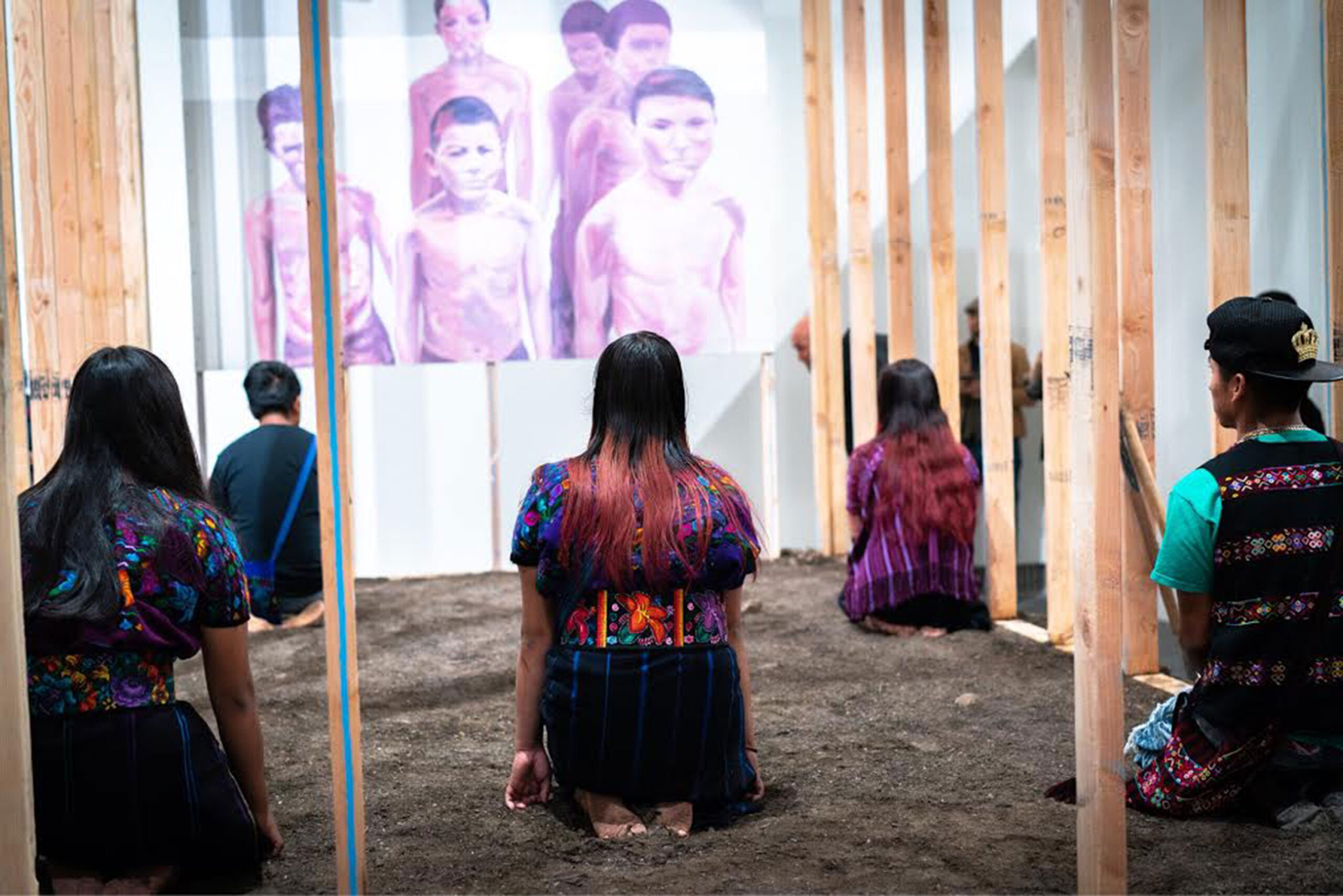
Embassy of the Refugee is made possible through Duarte’s collaboration with Artist Ambassadors from Guatemala, Honduras, El Salvador, and Mexico, who have lived in the United States for periods ranging from two to fifteen years.
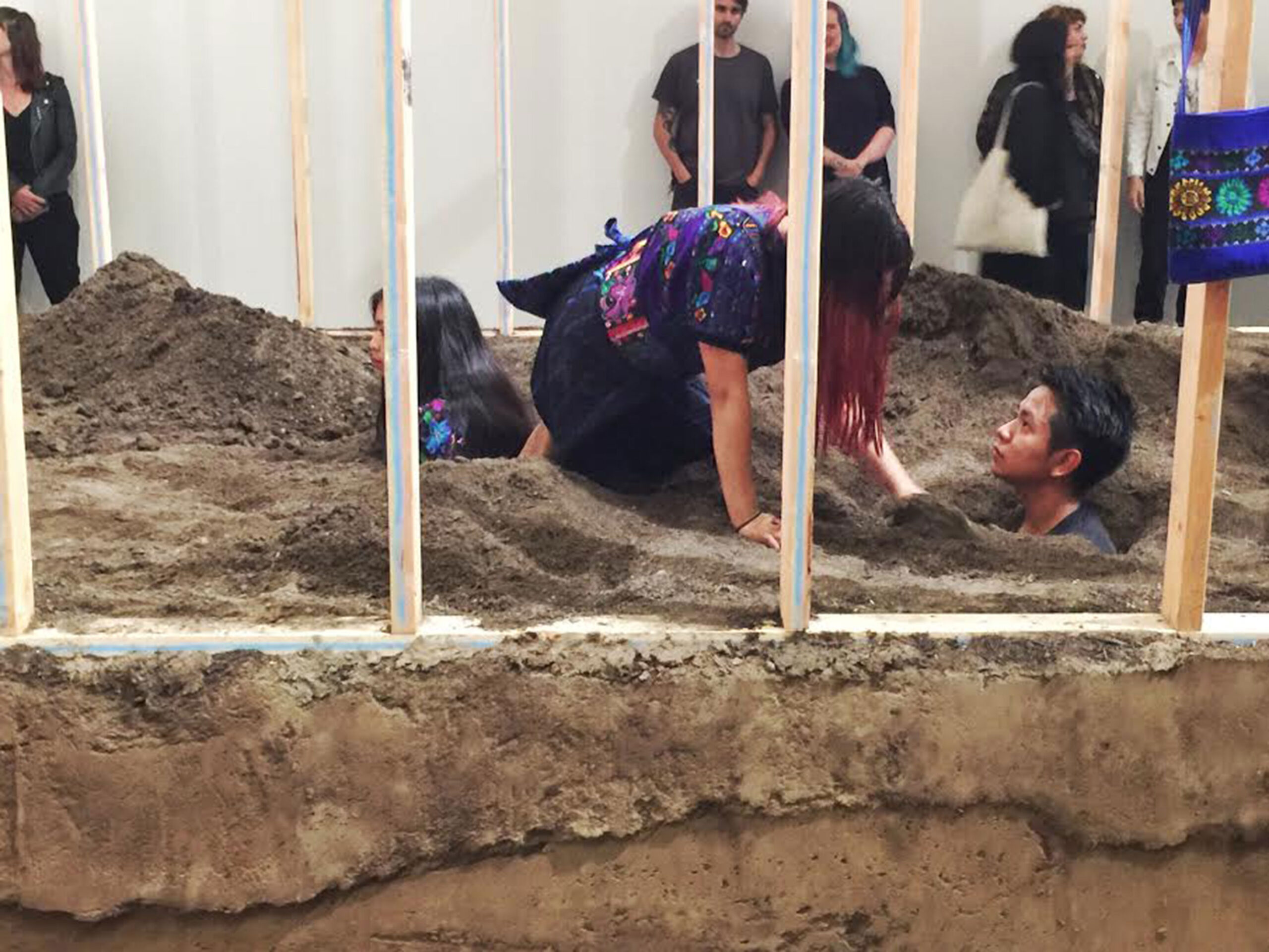
Through Embassy of the Refugee, Duarte reimagines the monument as a living site of encounter. The project challenges inherited symbols of power while transforming the often-invisible labor of immigrants into visible, collective, and theatrical acts of care, resistance, and public memory.
Performance Art, Performing Arts, Social Practice, Socially-Engaged Art
2019
About caleb (kaleb) Duarte
Fresno, CA
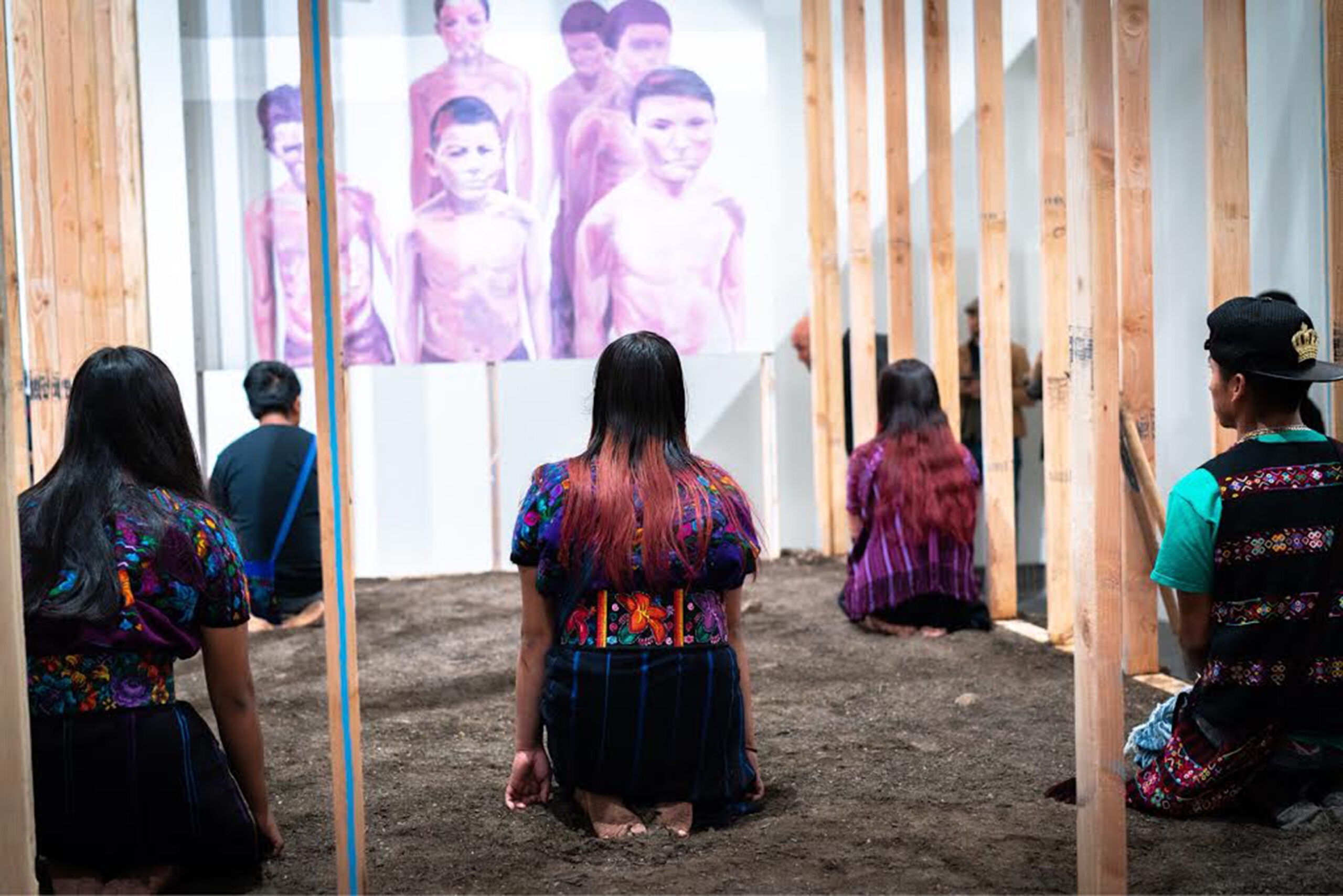
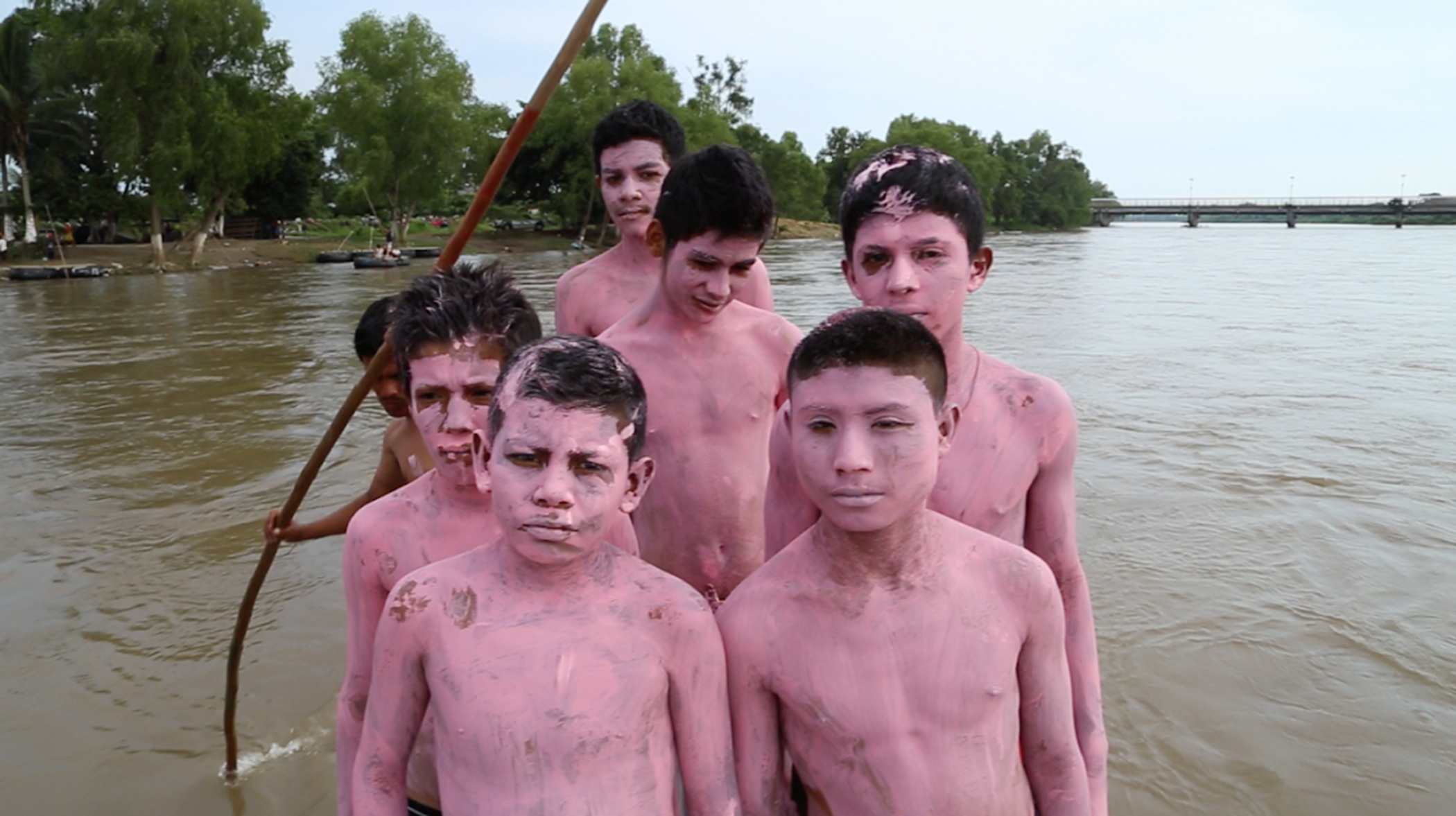
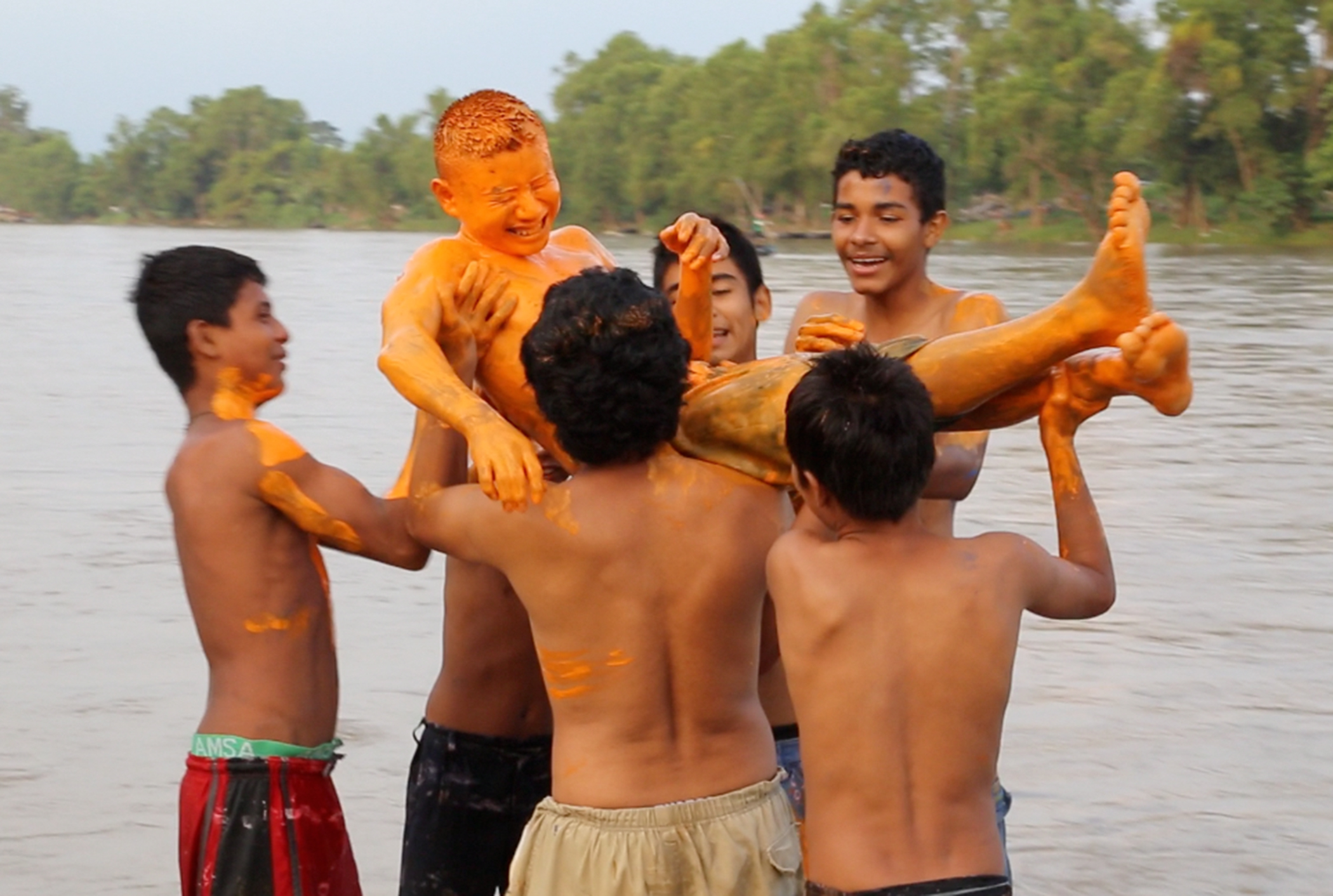
 caleb (kaleb) Duarte creates temporary installations using construction-type frameworks such as beds of dirt, cement, and objects suggesting basic shelter; these installations become sites for performance as interpretations of his community collaborations. Through the use of various labor equipment and raw earth, Duarte questions the laws and institutions set in place that claim to provide sanctuary for Brown bodies—when in fact, these laws and institutional structures have been perpetrators of violence, displacement, and genocide.
Duarte has created works and community performances in India, Cuba, Honduras, Mexico, and the United States. He has exhibited at the Yerba Buena Center for the Arts in San Francisco, Oakland Museum of California, Vincent Price Art Museum in Los Angeles, Utah Museum of Contemporary Art, and at the Red Dot Art Fair in New York. Duarte is the co-founder of EDELO, a Spanish acronym for (Where the United Nations Used To Be). EDELO was a house of art in movement and an international artist residency of diverse practices in Chiapas, Mexico. The project challenged the traditional artist residency in that it placed residents alongside rural autonomous indigenous communities that have been using performance, theater, poetry, and a rich visual culture to demand drastic social, political, and economic change.
caleb (kaleb) Duarte creates temporary installations using construction-type frameworks such as beds of dirt, cement, and objects suggesting basic shelter; these installations become sites for performance as interpretations of his community collaborations. Through the use of various labor equipment and raw earth, Duarte questions the laws and institutions set in place that claim to provide sanctuary for Brown bodies—when in fact, these laws and institutional structures have been perpetrators of violence, displacement, and genocide. Duarte has created works and community performances in India, Cuba, Honduras, Mexico, and the United States. He has exhibited at the Yerba Buena Center for the Arts in San Francisco, Oakland Museum of California, Vincent Price Art Museum in Los Angeles, Utah Museum of Contemporary Art, and at the Red Dot Art Fair in New York. Duarte is the co-founder of EDELO, a Spanish acronym for (Where the United Nations Used To Be). EDELO was a house of art in movement and an international artist residency of diverse practices in Chiapas, Mexico. The project challenged the traditional artist residency in that it placed residents alongside rural autonomous indigenous communities that have been using performance, theater, poetry, and a rich visual culture to demand drastic social, political, and economic change.