
The Sound of Labor
The Sound of Labor
Masud Olufani
Masud Olufani
In the winter of 2025, I stood in the rear courtyard of the Aiken-Rhett House in downtown Charleston, an urban plantation built in the early 19th century. I was one of three artists selected to participate in a group exhibition to be installed on the grounds of the property. As I stood near the slave quarters which abut the rear of the main residence with its gilded opulence still evident beneath a dusty veneer of time and deterioration, I thought about the grotesque contradiction between the large, airy rooms of the stately manor and the cramped, meager dwellings of the enslaved that seemed unfit for human habitation. My eyes surveyed the u-shaped property, framing the workyard which was overlooked by the Aiken family library devoted to leisure and learning, as the human property which made their lifestyle possible were forbidden to learn to read and write. I bristled at the irony. I studied the sand colored exterior walls with their leaf green shutters, taking note of a pulley bell near a second floor window. When I asked my guide what it was used for, I was informed that it was to summon the enslaved labor force to address the immediate needs of the family at any moment night or day. The immediacy of the demand jarred me. I hadn’t considered that the rhythmic striking of a bell, an invitation to play and recess during my elementary school days, could be an act of psychic rupture within the oppressive frame of slavery, a sonic torture device reminding the enslaved that all things–even time itself–were under the dominion of the plantation owner. Within this context, rest and leisure were unpredictable and mercurial states subject to the capricious whims of slave masters.
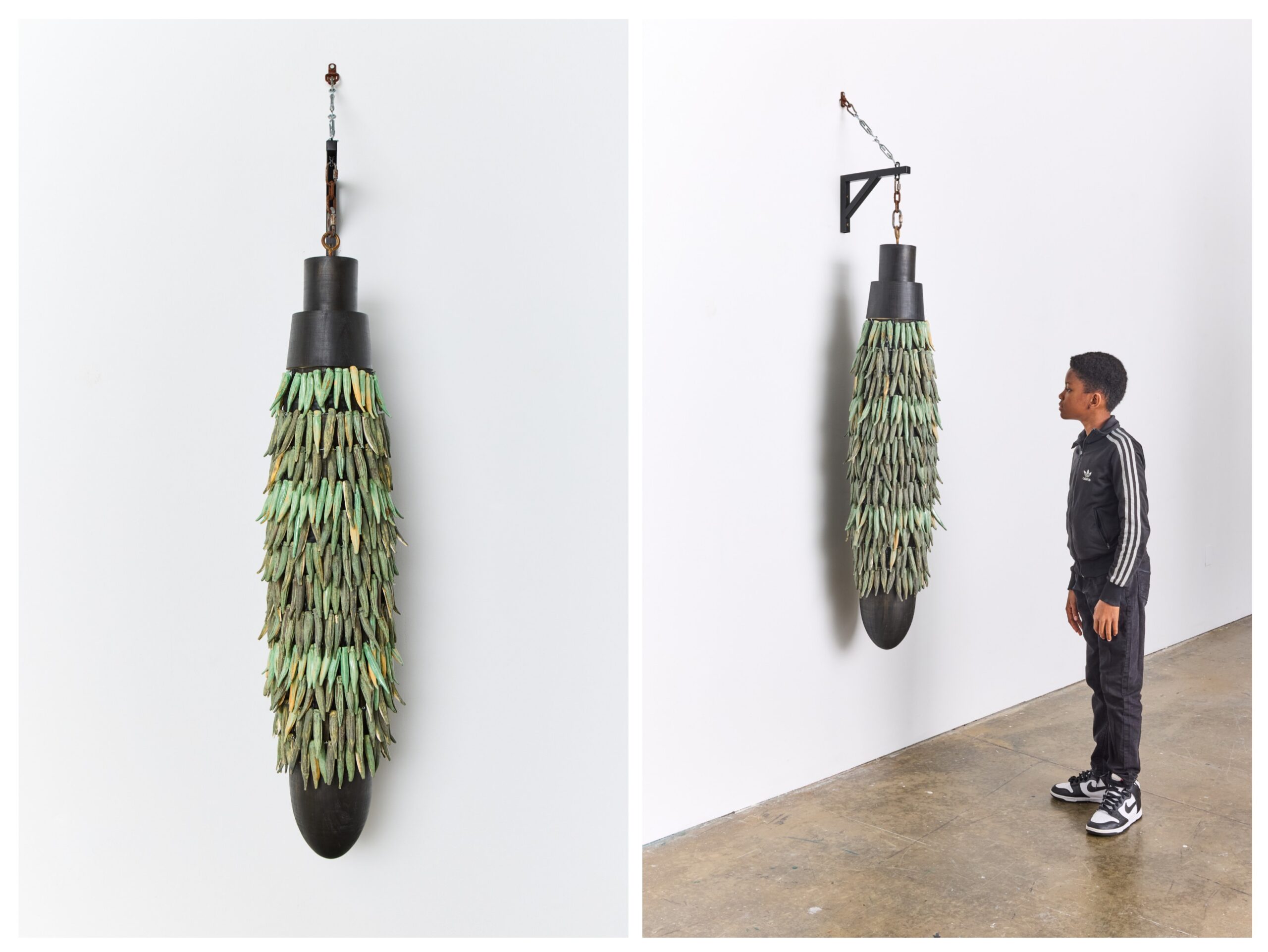
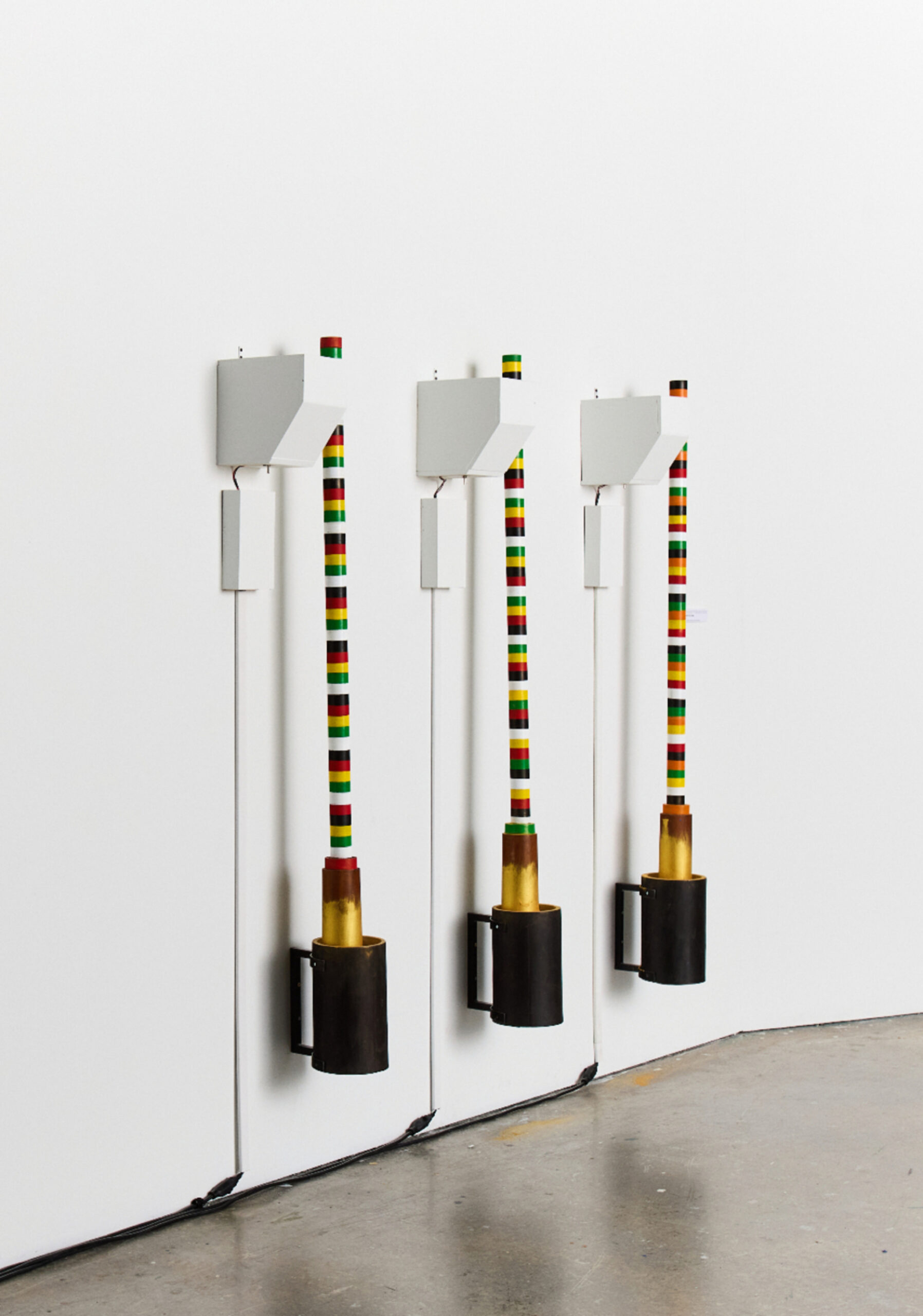
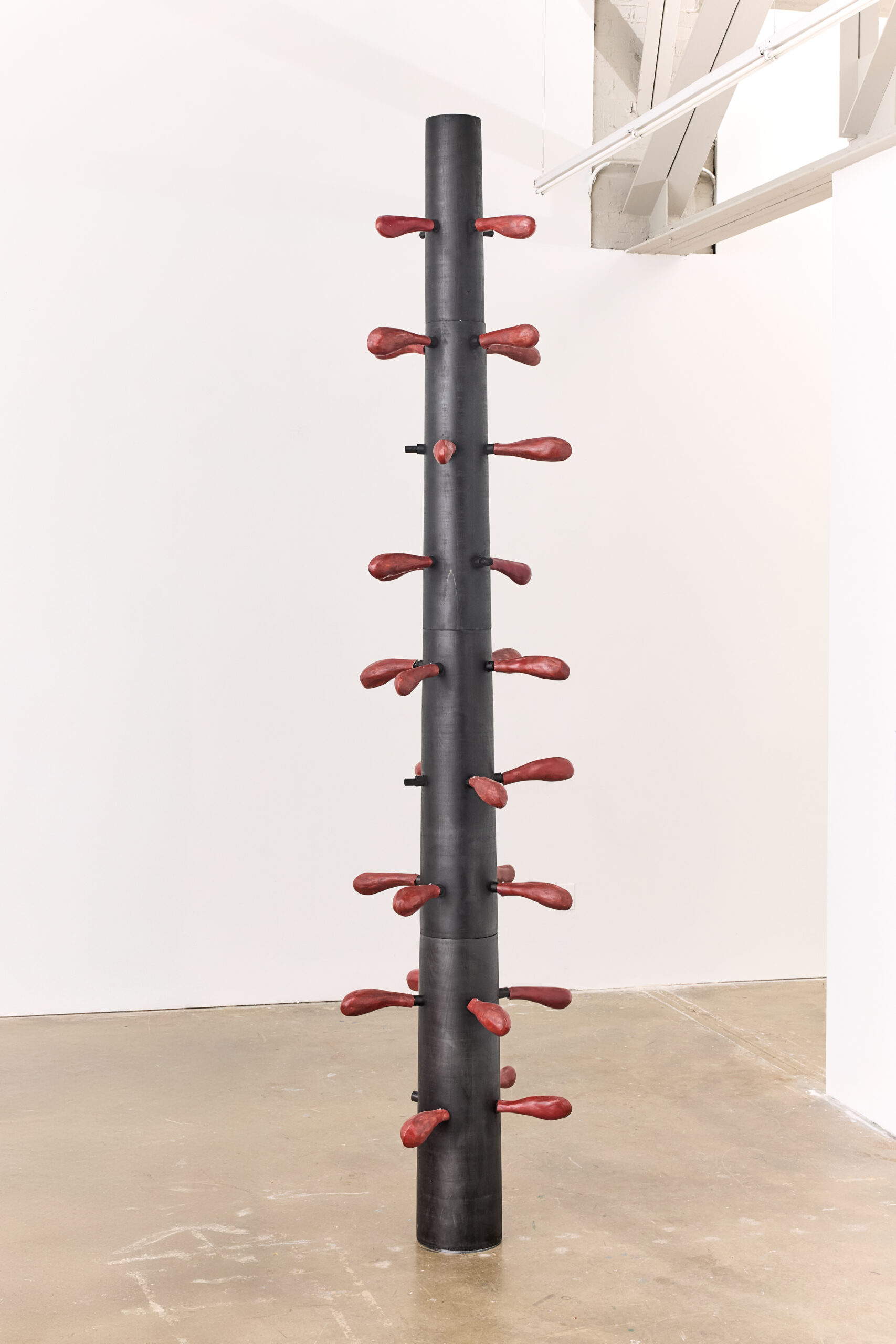
The Sound of Labor is a large scale multimedia installation that combines sculpted form and the layered ringing of bells to mimic the use of the pulley bell in urban slave plantations to regulate the lives and labor of enslaved people. Composed of a walled surface made of distressed wooden planks and fourteen mechanized vintage bells, each representing one of the fourteen enslaved people that served the Aiken-Rhett household (Tom and Ann Greggs, and their son, Henry; Dorcas and Sambo Richardson and their children, Charles, Rachel, Victoria, Elizabeth, and Julia; Charles Jackson, Anthony Barnwell, and two carpenters, Will and Jacob). A computer algorithm will mediate the striking of the bells at different intervals beginning with one and gradually building to a cacophony of clanging sounds as all the bells are struck in steady succession, the discordant sound embodying the psychic violence of disruption and the conflation of the Black body with unrelenting labor.
Sculpture, Visual Arts
2026
About Masud Olufani
Atlanta, GA
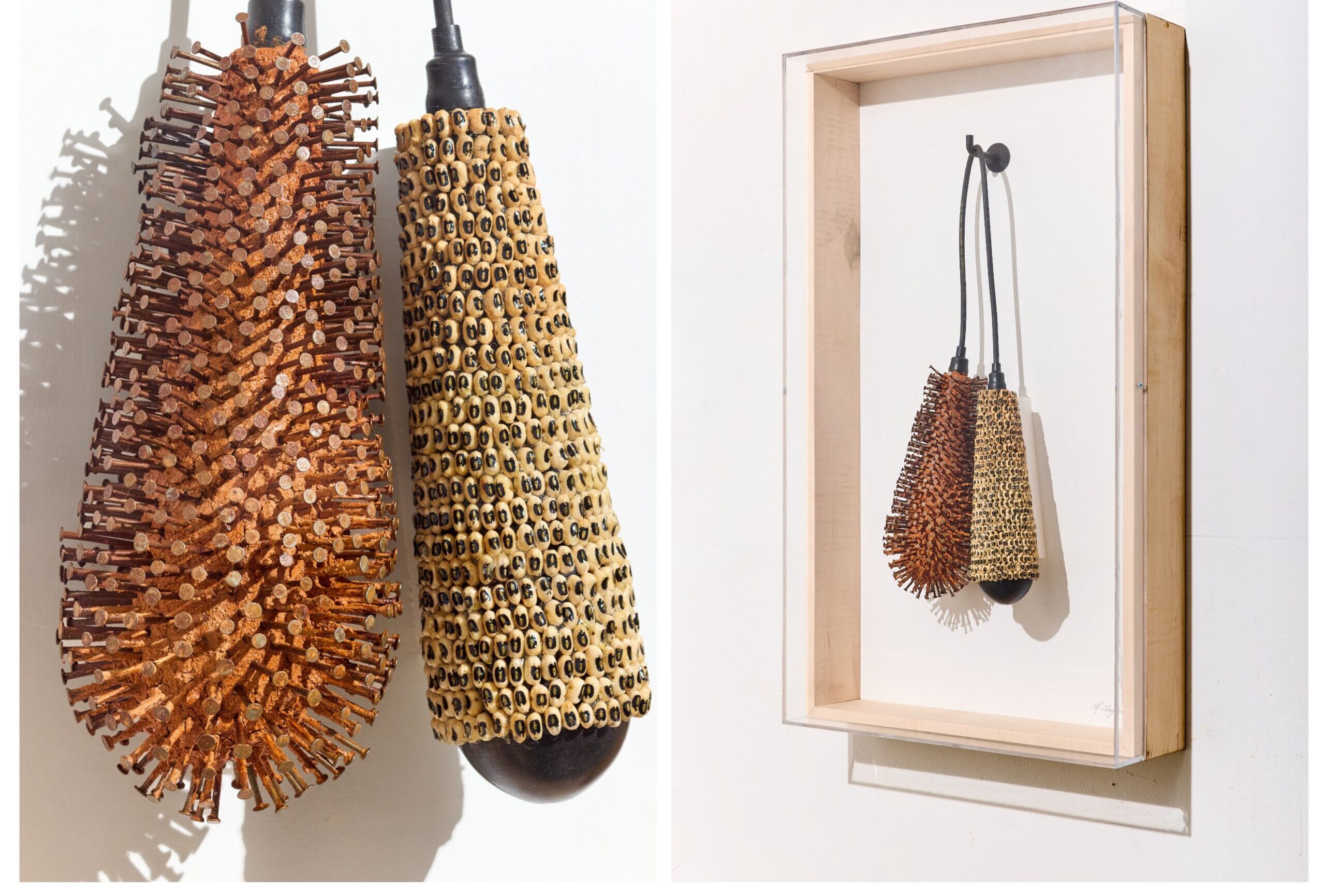
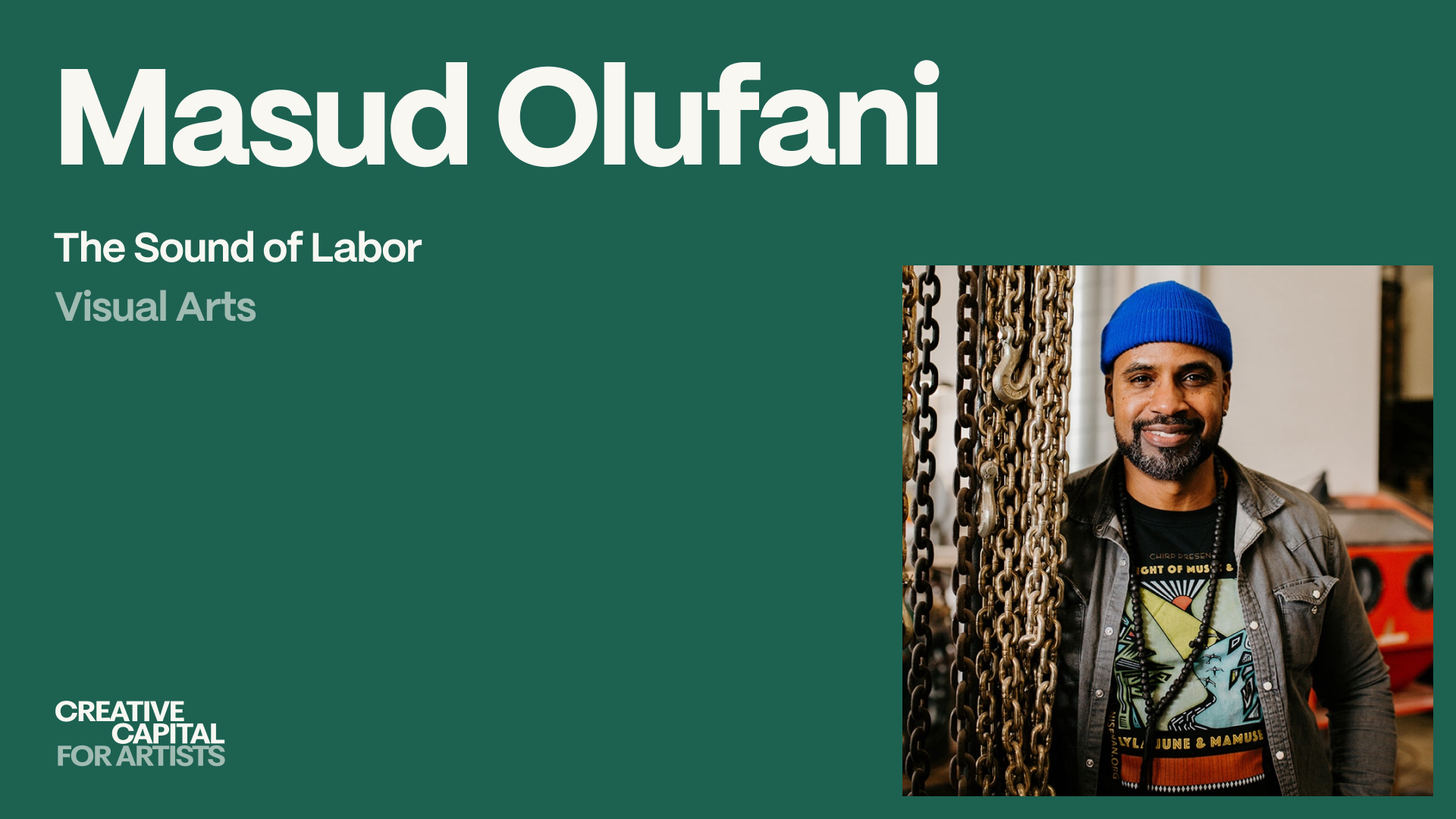
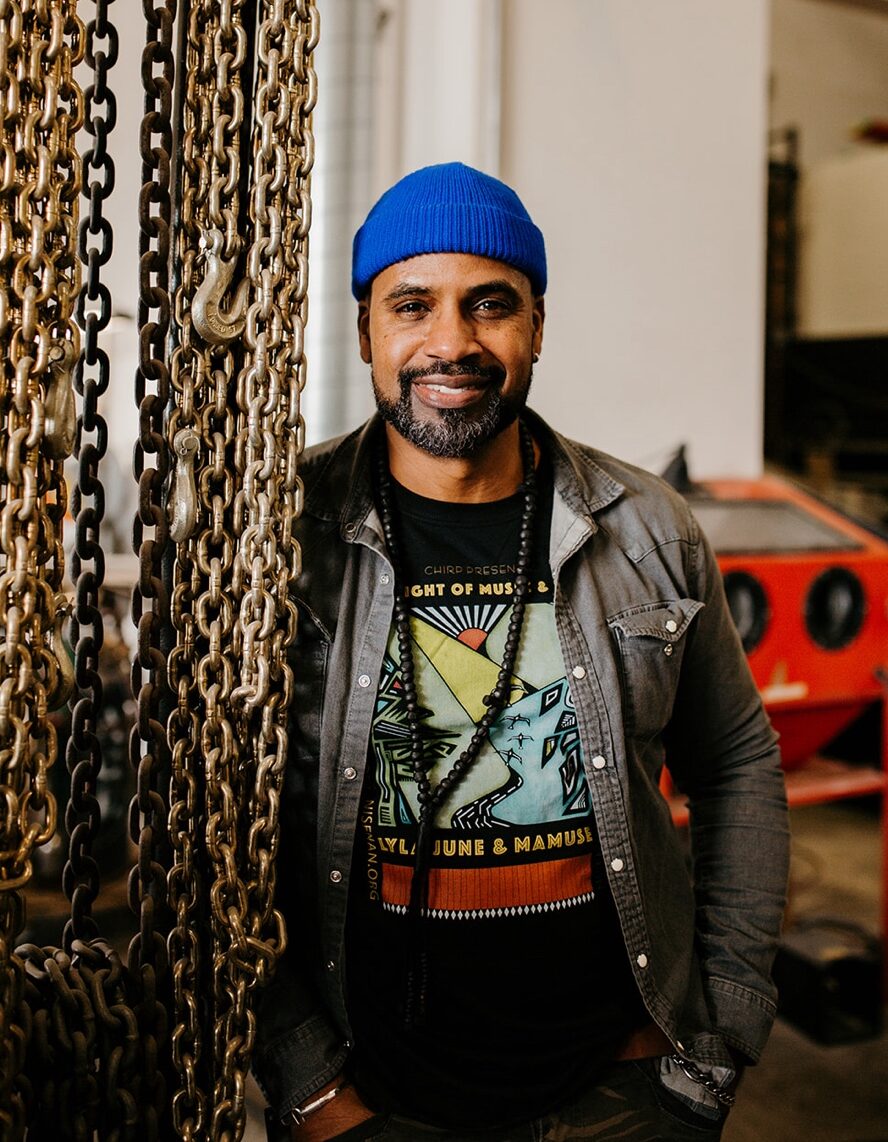 Masud Olufani is an Atlanta based multidisciplinary artist, curator and educator. born in Los Angeles, California and raised in multiple cities including New York, Miami, New Orleans, Dallas, and Atlanta. He is an assistant professor of art and visiting arts fellow at Morehouse College. He also teaches at the United States Federal Prison in Atlanta, Georgia. The artist has exhibited his work nationally and internationally. He is a featured artist in the 2024 Dakar Biennale in Senegal. The artist has completed residencies at The Vermont Studio Center; The Hambidge Center for Arts and Sciences; and Tallier Portobello Norte in Panama. He is a 2018 Southern Arts Prize State Fellow; and a recipient of a 2015-16’ MOCA GA Working Artist Project Grant. The artist enjoys traveling, exercise, reading and long meandering conversations.
Masud Olufani is an Atlanta based multidisciplinary artist, curator and educator. born in Los Angeles, California and raised in multiple cities including New York, Miami, New Orleans, Dallas, and Atlanta. He is an assistant professor of art and visiting arts fellow at Morehouse College. He also teaches at the United States Federal Prison in Atlanta, Georgia. The artist has exhibited his work nationally and internationally. He is a featured artist in the 2024 Dakar Biennale in Senegal. The artist has completed residencies at The Vermont Studio Center; The Hambidge Center for Arts and Sciences; and Tallier Portobello Norte in Panama. He is a 2018 Southern Arts Prize State Fellow; and a recipient of a 2015-16’ MOCA GA Working Artist Project Grant. The artist enjoys traveling, exercise, reading and long meandering conversations.