

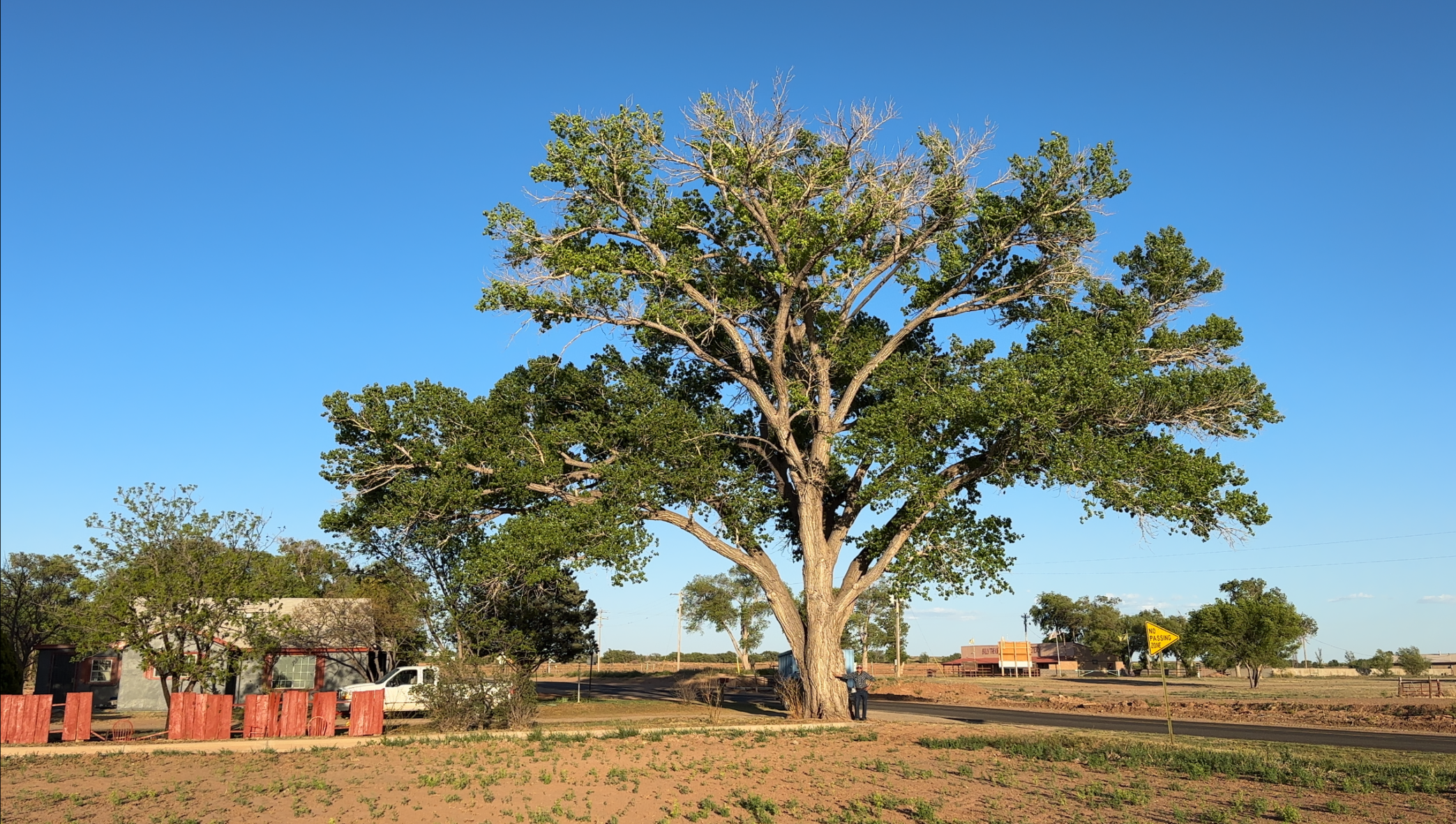
The Long Walk: 1,674 Days
The Long Walk: 1,674 Days
Delbert Anderson
Delbert Anderson
The Long Walk: 1,674 Days is a powerful tribute to the Navajo people’s resilience during their forced relocation from 1863 to 1868. This 50 note durational composition, performed over 1,674 days, symbolizes the exact duration of the Navajo Long Walk, honoring the memory and spirit of those who endured the tragic event. Each note and event invites reflection and connection to the truth of Navajo history and culture. The Long Walk welcomes artists and all community members to join in a prayer of remembrance, reflection, and renewal. In 2006 I composed a somber yet hopeful melody for Native American Heritage Month. The melody was about the Long Walk and contained lyrics about two children who never found their parents due to the U.S. military murdering Navajo people.
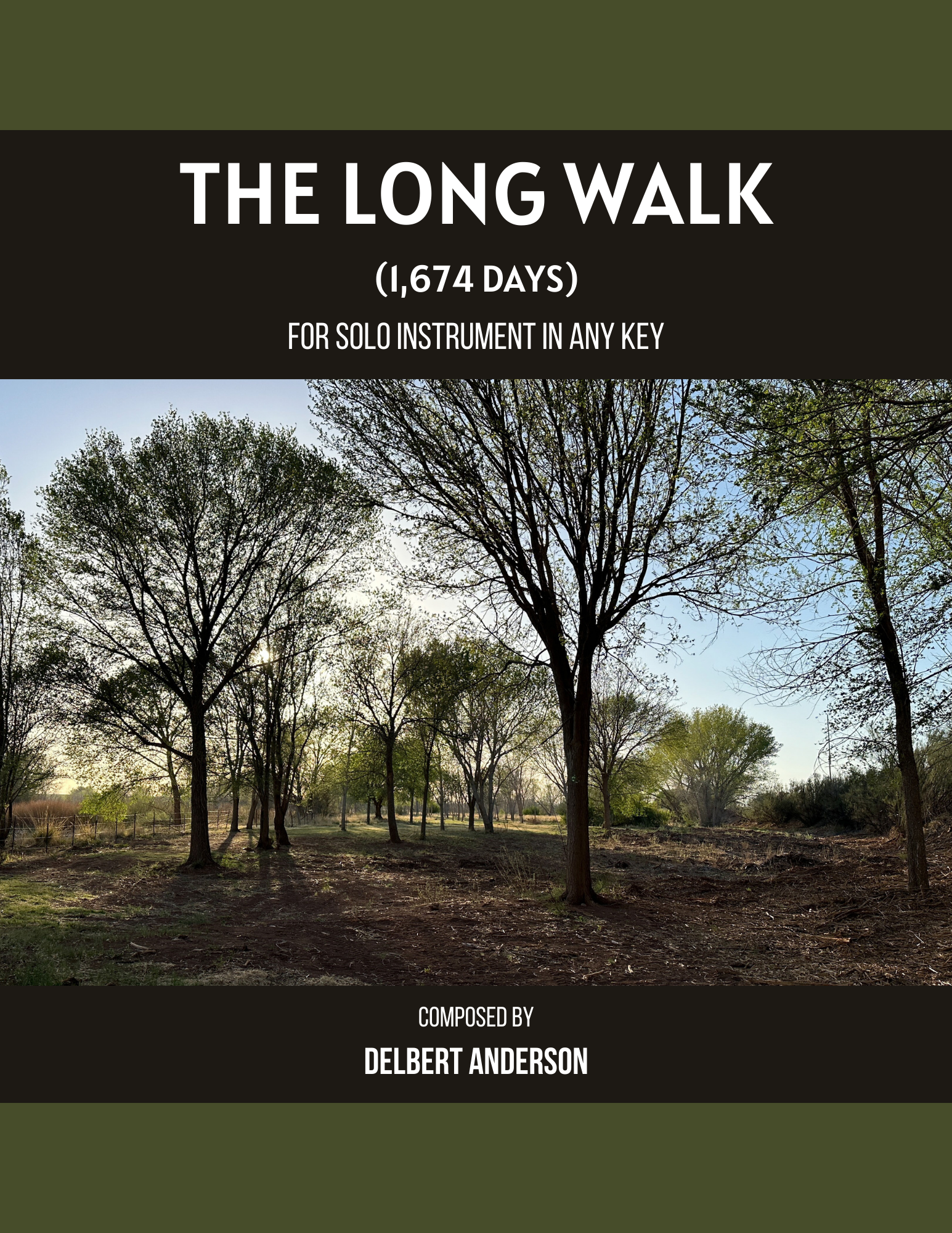
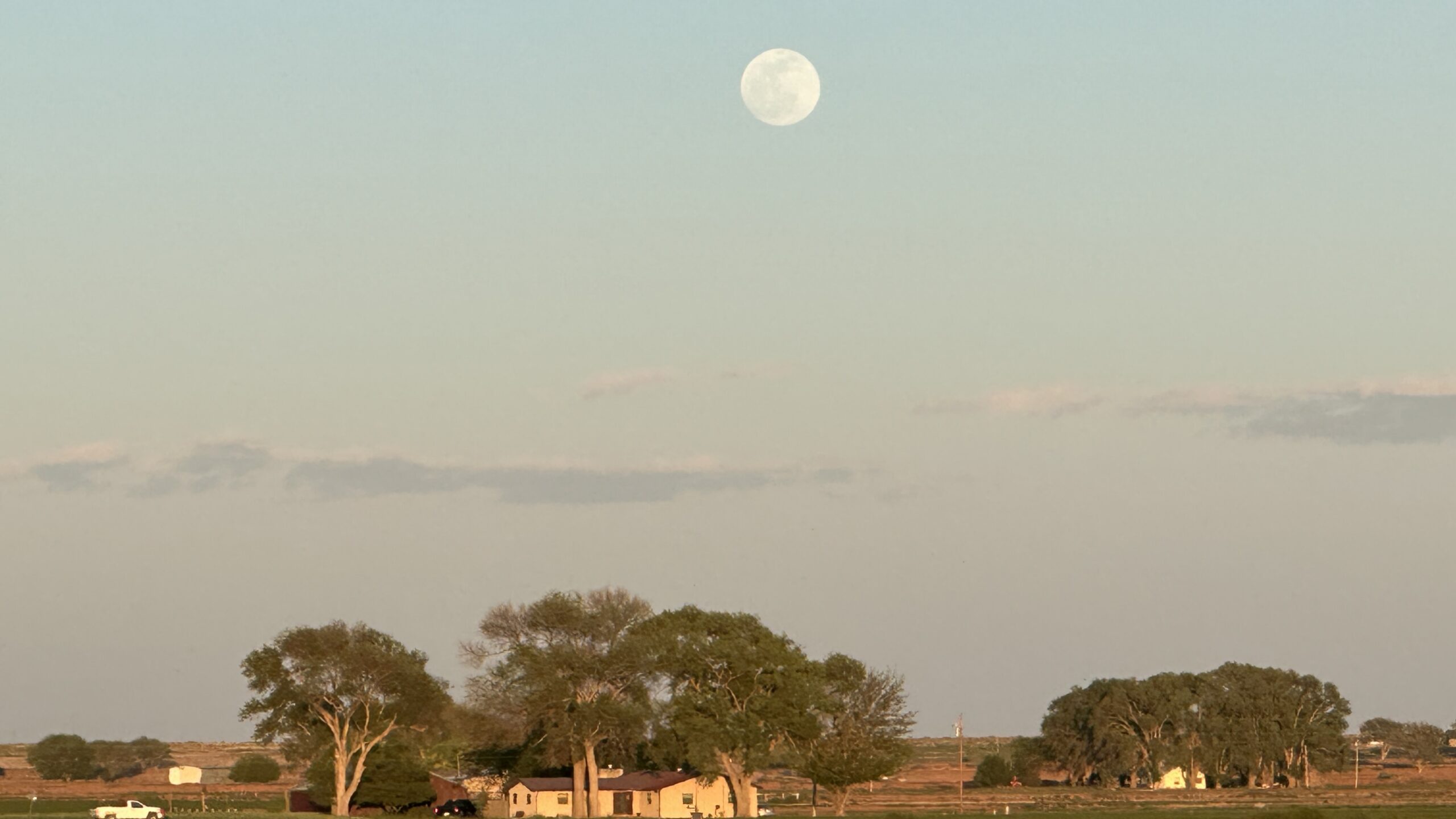
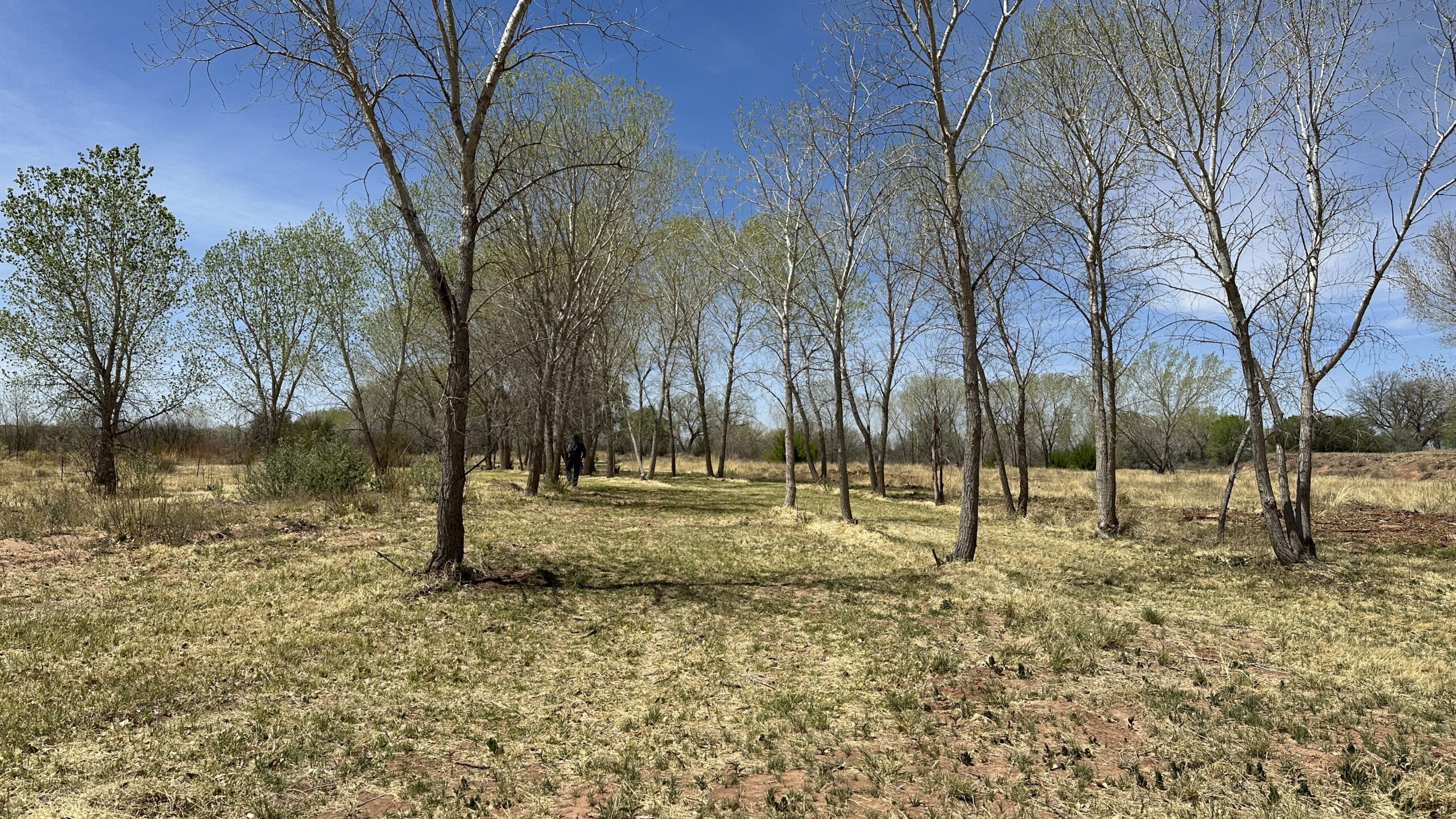
In 2023, I resurrected the composition and stretched the 50 note melody over 1,674 days. Each note is approximately performed at 7:30 PM MT in order to keep the composition in rhythm. Each note is surrounded by a community event in which I am able to share stories and research of The Long Walk. I made an activity sheet filled with Long Walk facts and actions items for participants to research other Navajo artists. Each note comes with an action item in hopes to spread awareness. After our conversation, we all perform the note together. A special Navajo musical term was developed, “Ałkéé’ní’ąągoo diits’a’ ałtsǫjį’”– a Navajo phrase that roughly means “to play the notes, one after another, until an end comes.” Basically, after playing a note, the note continues spiritually until we play another note or until the note stops. This process allows the note to continue over long periods of time. The Long Walk: 1,674 Days began November 1, 2023 7:30 PM MT at Fort Defiance, Arizona and will be completed June 1, 2028 7:30 PM MT at the Bosque Redondo Historical Memorial Site in Fort Sumner, New Mexico. The Long Walk ended with the signing of the Treaty of 1868, which, after 1,674 days, allowed the Navajo to return to a portion of their original homeland.
Though this event is a tragic period in Navajo history, it is also a testament to our resilience and survival, as the Navajo Nation today is the largest federally recognized tribe in the United States. Durational music is an unorthodox category of musical composition and performance that emphasizes the temporal dimension of sound, extending over long periods, 1,674 days, in the case of The Long Walk. The approach challenges the traditional concepts of time and structure in music, focusing instead on the experience of performers and audiences. The Long Walk is a spiritual meditation, a contemplation of history and a metaphoric journey. We can no more “hear” The Long Walk in its entirety than we can experience the suering of those forced from their land. But we can unite to raise awareness of this tragic history as we restore Hózhó– the Navajo state of beauty, balance and harmony.
Music, Performing Arts
2026
About Delbert Anderson
Kirtland, NM
 Delbert Anderson, a Diné jazz trumpet artist, composer, and educator, stands at the forefront of a vibrant Native American jazz scene. His work, deeply rooted in his Diné heritage, seamlessly integrates Navajo “spinning songs” of love, healing, and courtship with jazz and funk, thus marking him as a community-minded Indigenous individualist. Through his Delbert Anderson Quartet, Anderson revives the improvised sounds of the Diné circle, blending them with jazz, funk, and hip-hop. His compositions are inspired by Navajo Nation landscapes, historical events, and the desire to preserve and educate about Diné history. His commitment to community and education is evident through his “Build A Band” educational program, which teaches jazz improvisation to young students through a Diné and family curriculum, wellness programs, and community outreach initiatives aimed at evoking change for the well-being of all humans.
Delbert Anderson, a Diné jazz trumpet artist, composer, and educator, stands at the forefront of a vibrant Native American jazz scene. His work, deeply rooted in his Diné heritage, seamlessly integrates Navajo “spinning songs” of love, healing, and courtship with jazz and funk, thus marking him as a community-minded Indigenous individualist. Through his Delbert Anderson Quartet, Anderson revives the improvised sounds of the Diné circle, blending them with jazz, funk, and hip-hop. His compositions are inspired by Navajo Nation landscapes, historical events, and the desire to preserve and educate about Diné history. His commitment to community and education is evident through his “Build A Band” educational program, which teaches jazz improvisation to young students through a Diné and family curriculum, wellness programs, and community outreach initiatives aimed at evoking change for the well-being of all humans.