
Nickel
Nickel
Gillian Waldo
Gillian Waldo
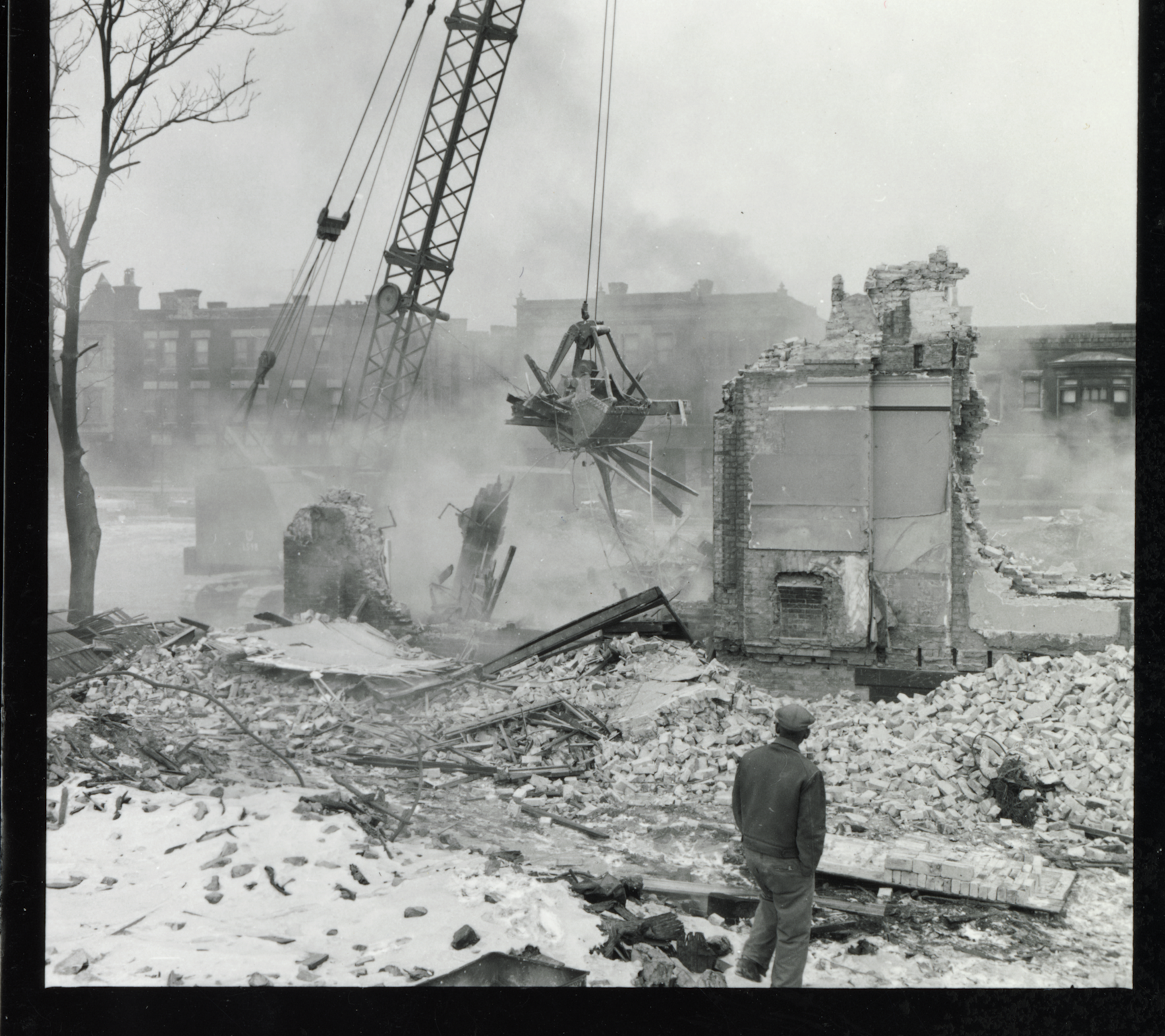
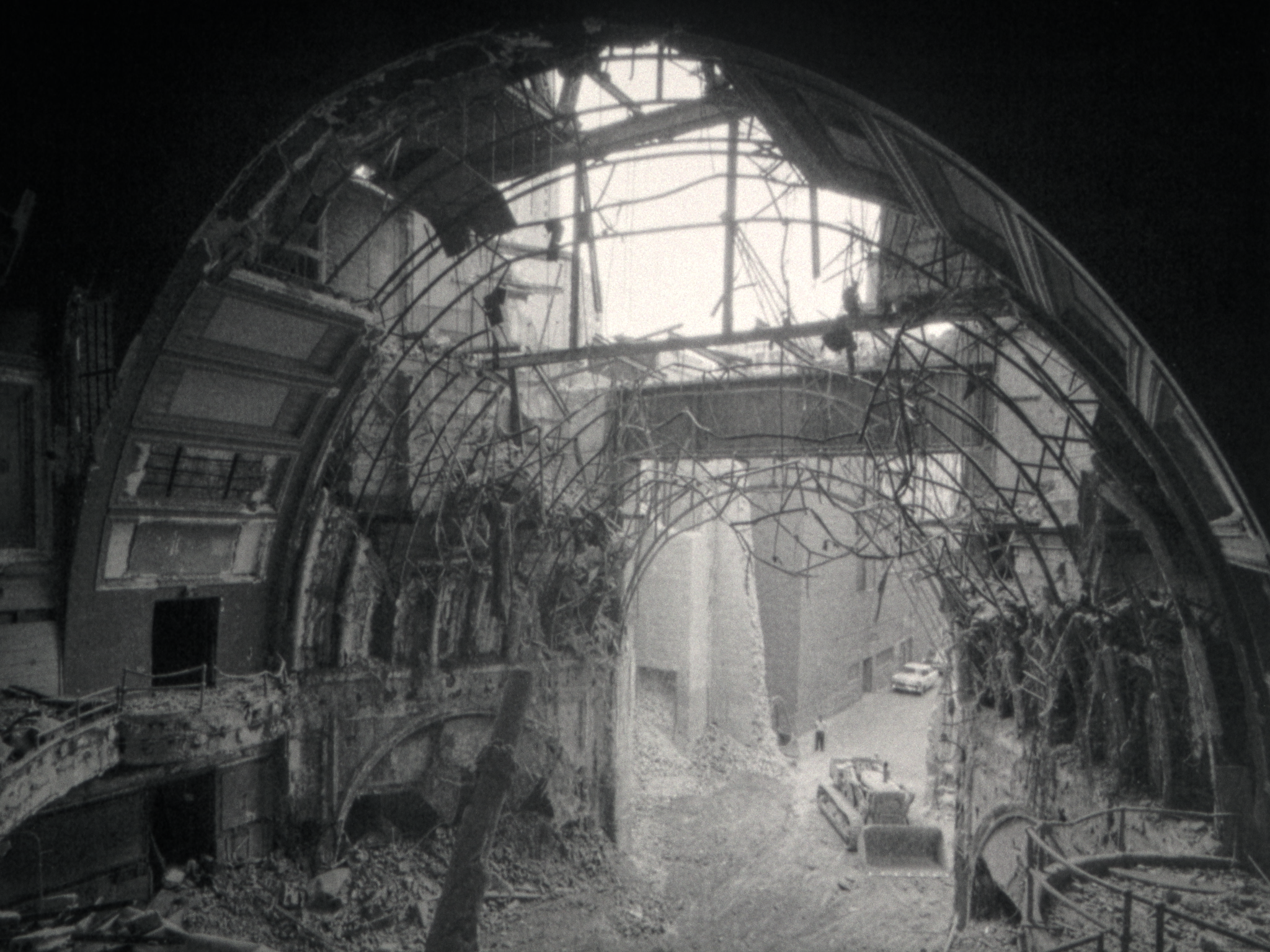
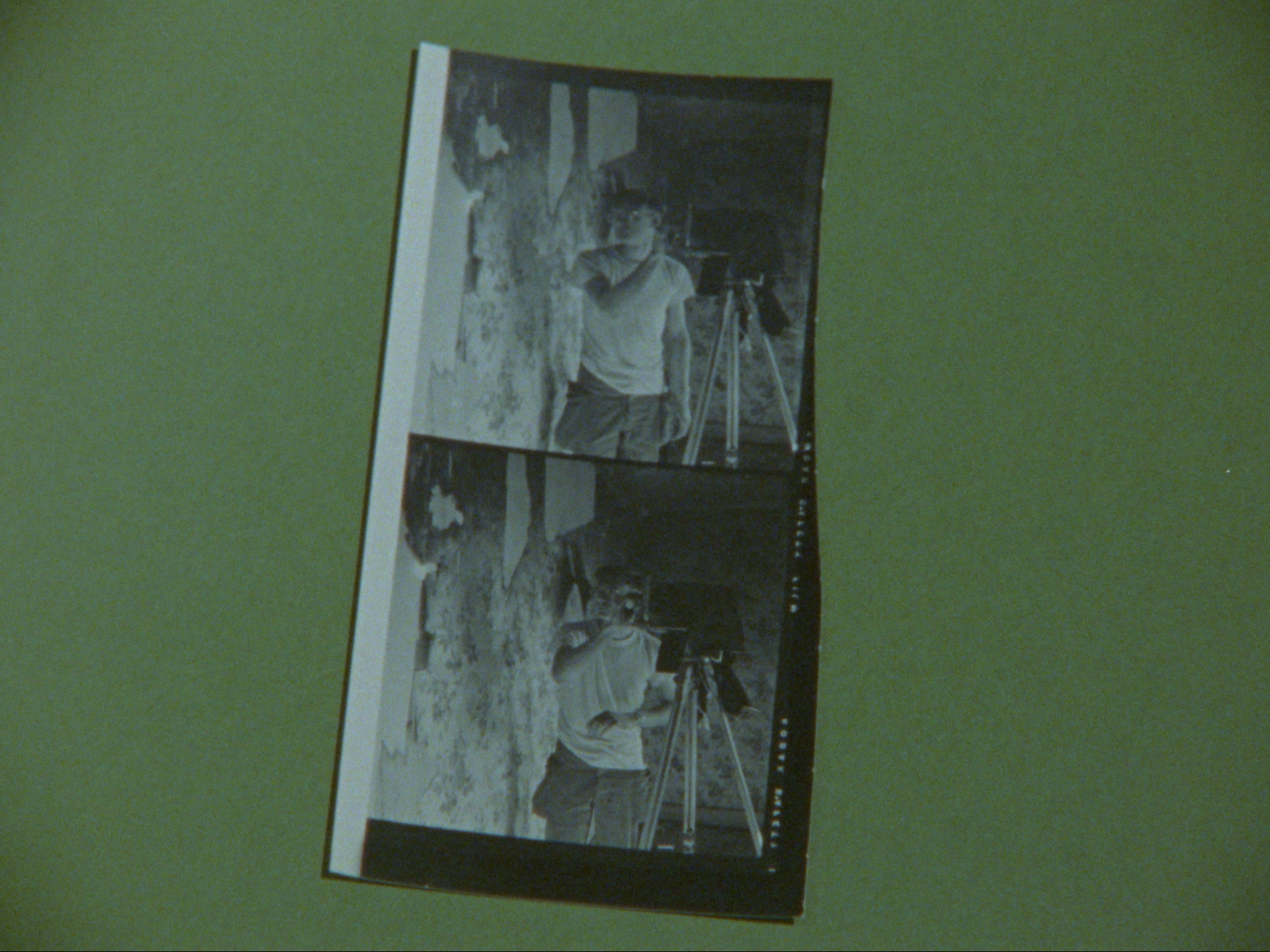
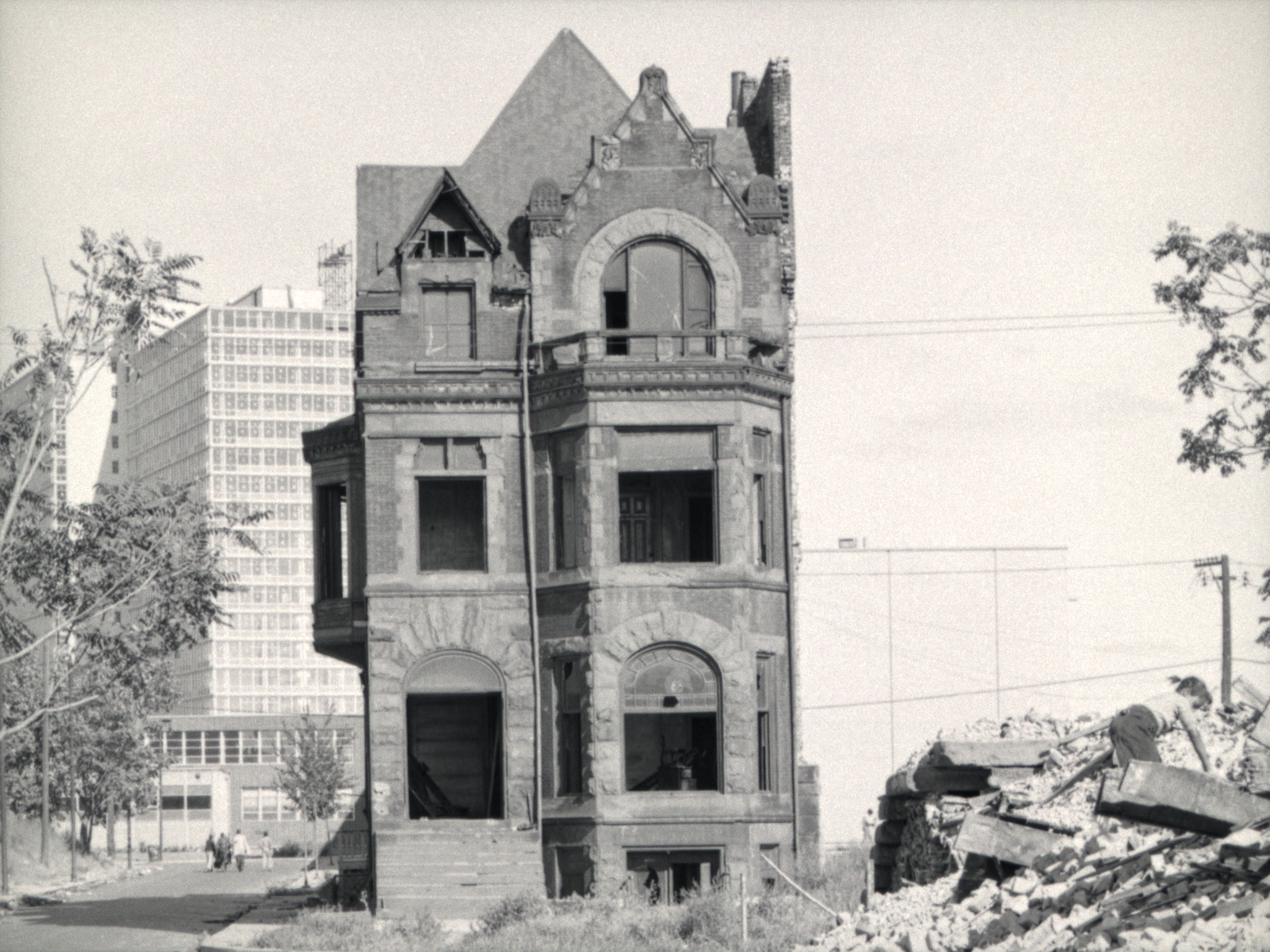
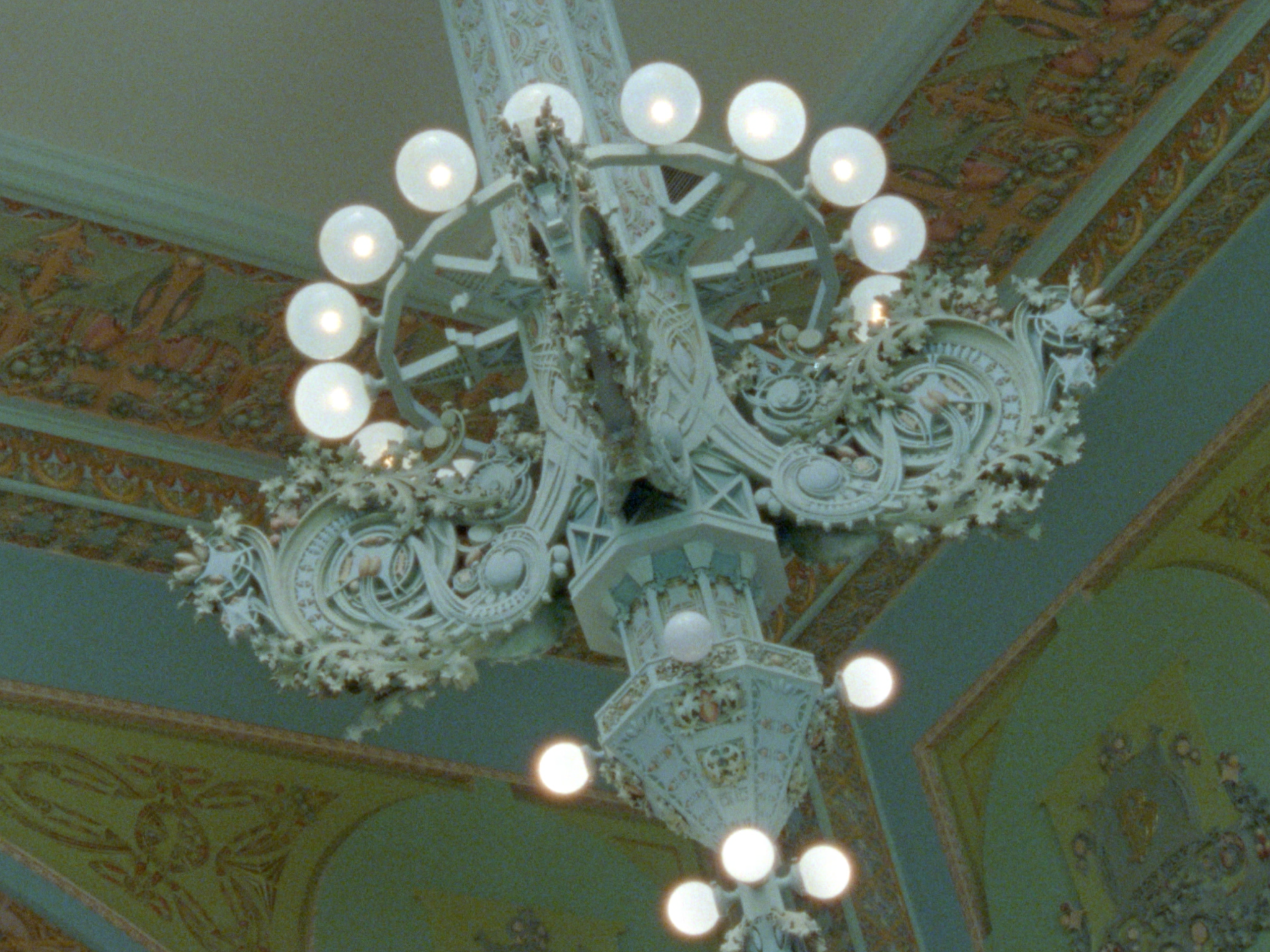
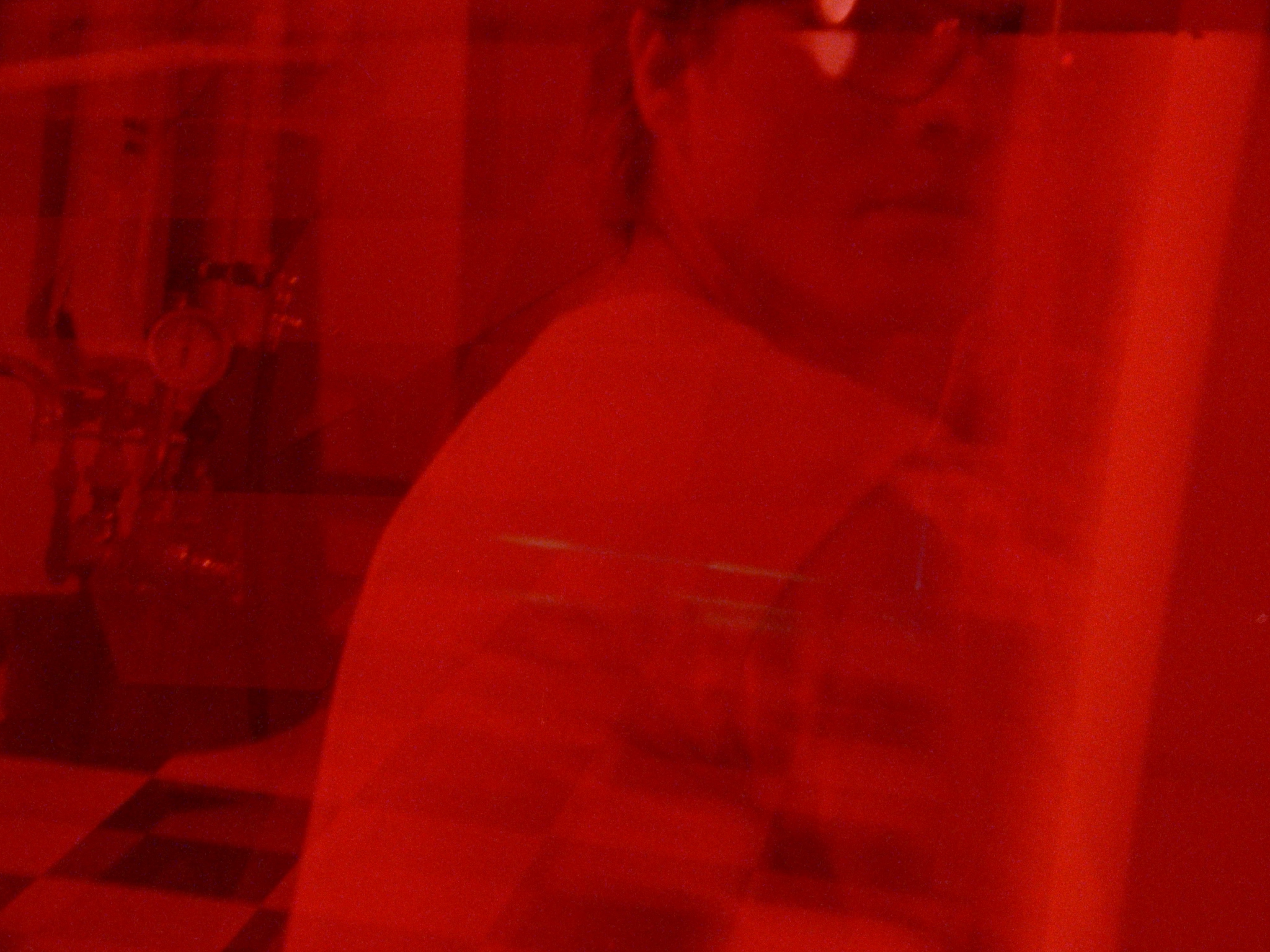
Nickel is a 16mm essay film investigating the life of Richard Nickel, a Chicago photographer obsessed with saving the buildings of architect Louis Sullivan, who perished when one of Sullivan’s buildings collapsed upon him. The film weaves together the lives of Sullivan, the father of the skyscraper, and Nickel, his disciple, and uses Nickel’s practice of salvaging and documenting buildings as a framework to understand the history of the built world of Chicago, the forces of urban renewal, housing policies, labor conflicts, and the evolution of building materials in order to ask, whose vision of a city ultimately wins out? The film traces the lives of both men using contemporary footage of the places they moved through and designed, Nickel’s photographs of these spaces, Studs Terkel’s interviews with Nickel and his friends, and Nickel’s own home movies, letters, sketches, scrapbooks, depositions, and cyanotypes. These materials reveal a complex person who had an incredible eye and was able to save invaluable pieces of ornament, but was also myopic in his quest to preserve buildings without much regard for the plight of those who lived in them.
This project seeks to complicate our understanding of Nickel and the work he did, as well as challenging our conceptions about architectural preservation and salvage. What is the value of saving a piece of ornament from a building, if an entire family is displaced from their home? Sullivan is known for coining the phrase, “Form follows function,” but perhaps one his lesser known quotes reveals more: “Every building you see is the image of a man whom you do not see.” In Sullivan’s interpretation, the unseen man is the architect or genius who creates the building out of his head. The film is interested in taking this quote literally: when we look at a building, who are we not seeing? The mason who laid the brick? The Baptist congregation who transformed this synagogue? The mother trying to make rent? Instead of deriving the meaning of a building solely through its architect, the film asks us to look at Sullivan’s buildings and the people that constructed them and lived in them, made them whole, as a way of understanding a more rhizomatic history.
Documentary Film, Film/Moving Image
2026
About Gillian Waldo
Chicago, IL
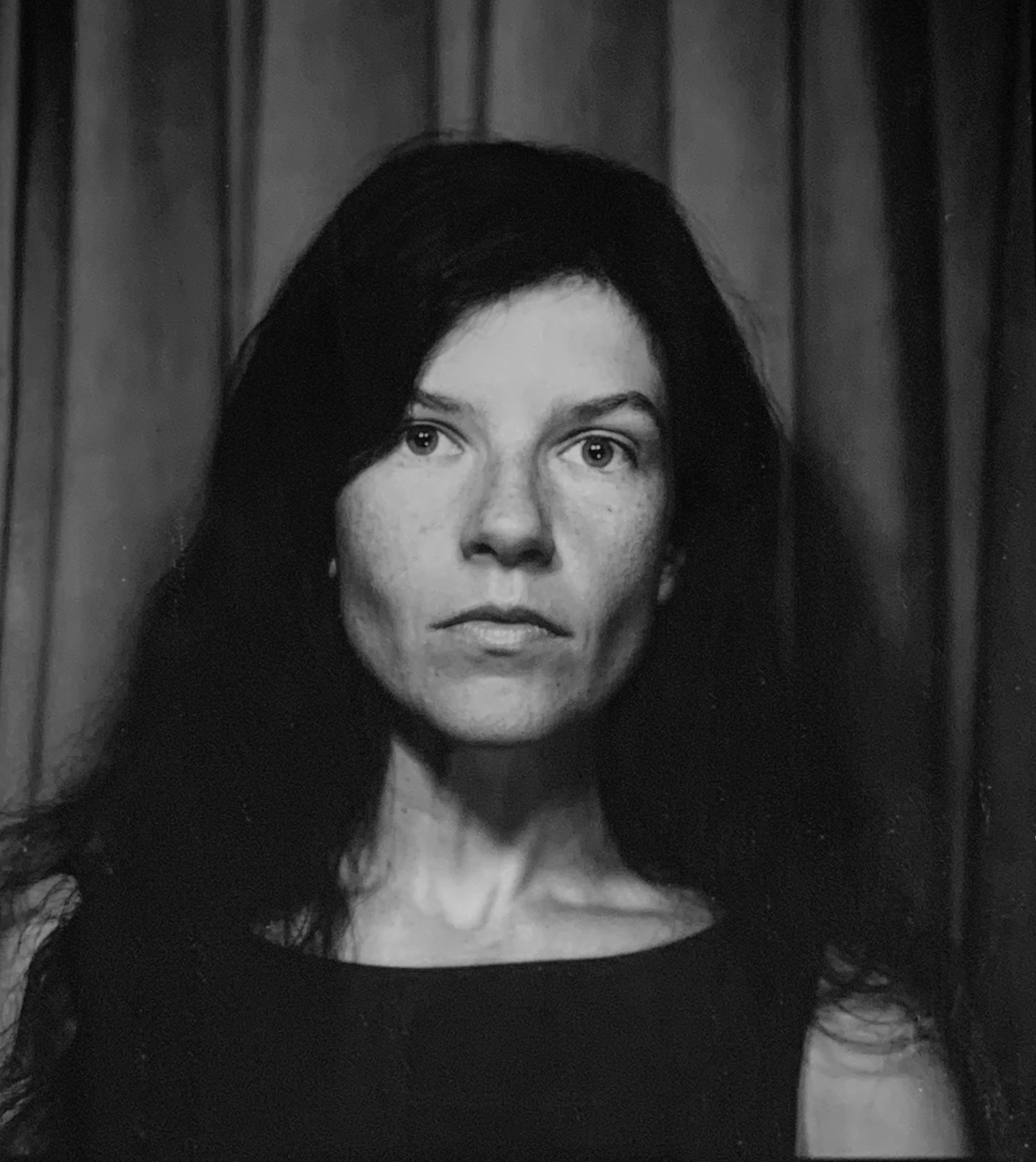 Gillian Waldo is originally from Baltimore, Maryland and makes short nonfiction works on 16mm film. Her work is interested in the intersection of history and the built world and how decisions regarding infrastructure, policy, and labor have informed the environments we live in. Her work has screened at Prismatic Ground, Indie Lisboa, Open City Documentary Festival, UnionDocs, Cosmic Rays, Rooftop Films, and ICDOCS among other festivals and institutions. She is the co-editor of Syllabus Project and co-programmed QuaranTV. She believes in public service and works in libraries.
Gillian Waldo is originally from Baltimore, Maryland and makes short nonfiction works on 16mm film. Her work is interested in the intersection of history and the built world and how decisions regarding infrastructure, policy, and labor have informed the environments we live in. Her work has screened at Prismatic Ground, Indie Lisboa, Open City Documentary Festival, UnionDocs, Cosmic Rays, Rooftop Films, and ICDOCS among other festivals and institutions. She is the co-editor of Syllabus Project and co-programmed QuaranTV. She believes in public service and works in libraries.