
Ghosts of Blue
Ghosts of Blue
Sarah Garrahan, Sue Ding
Sarah Garrahan, Sue Ding
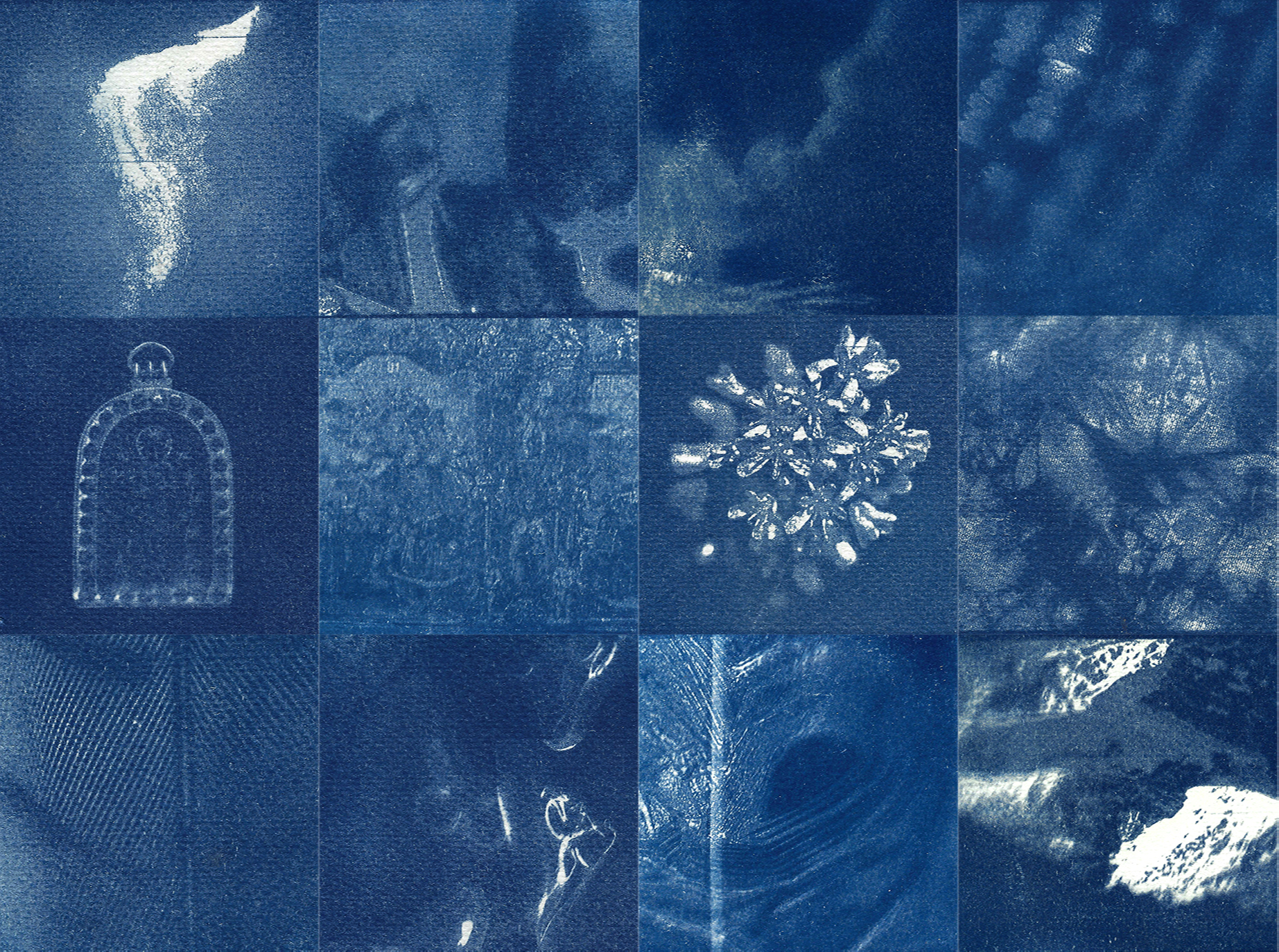
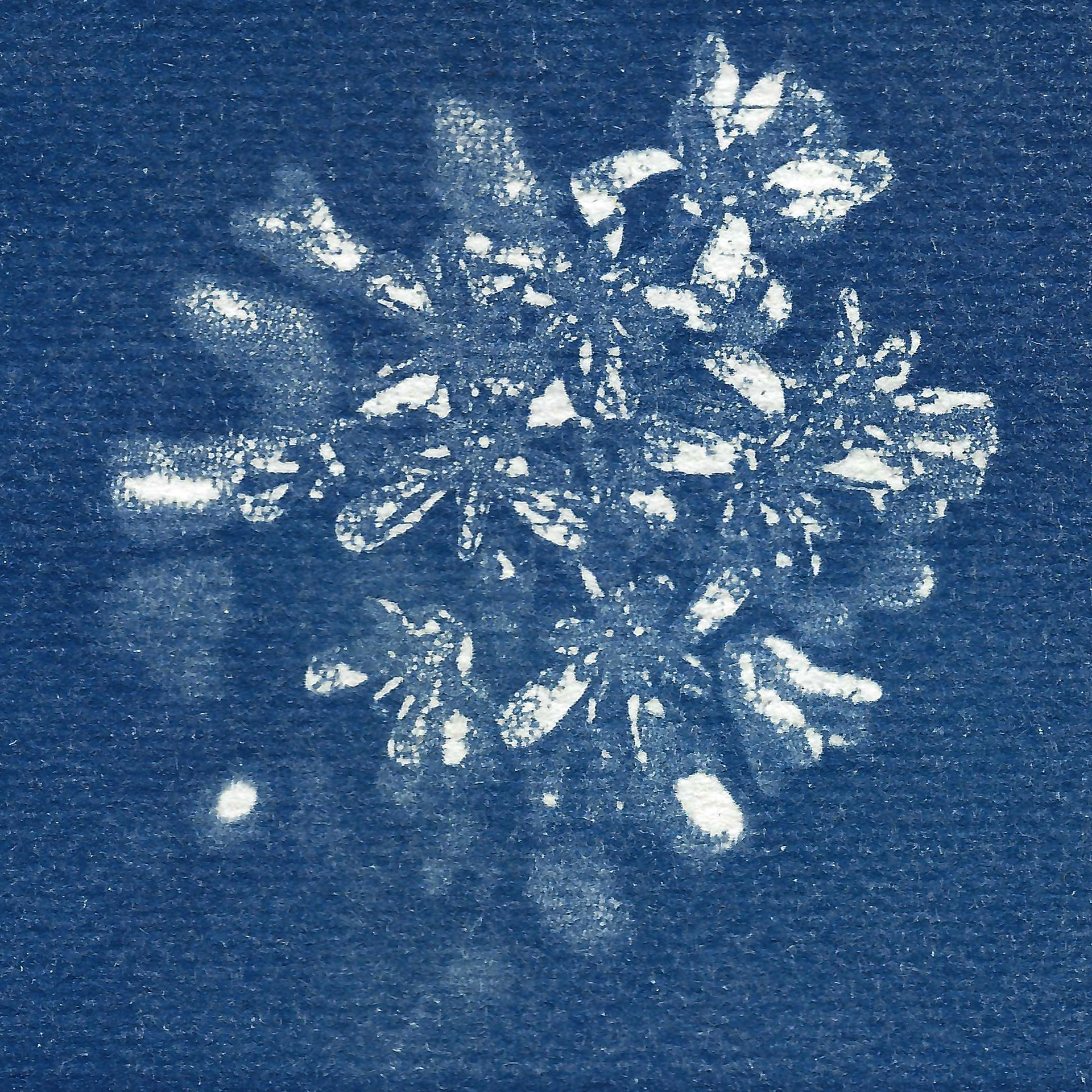
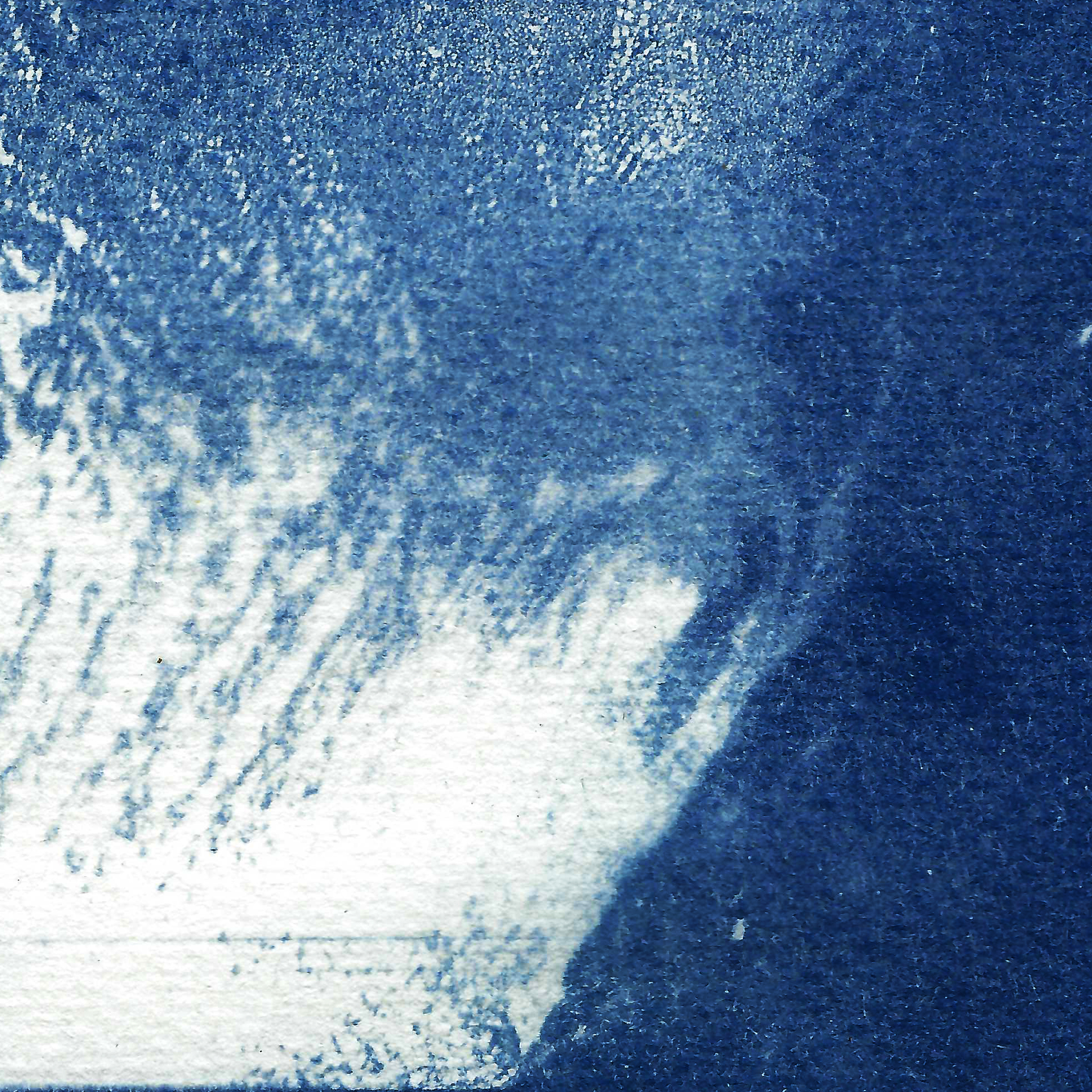
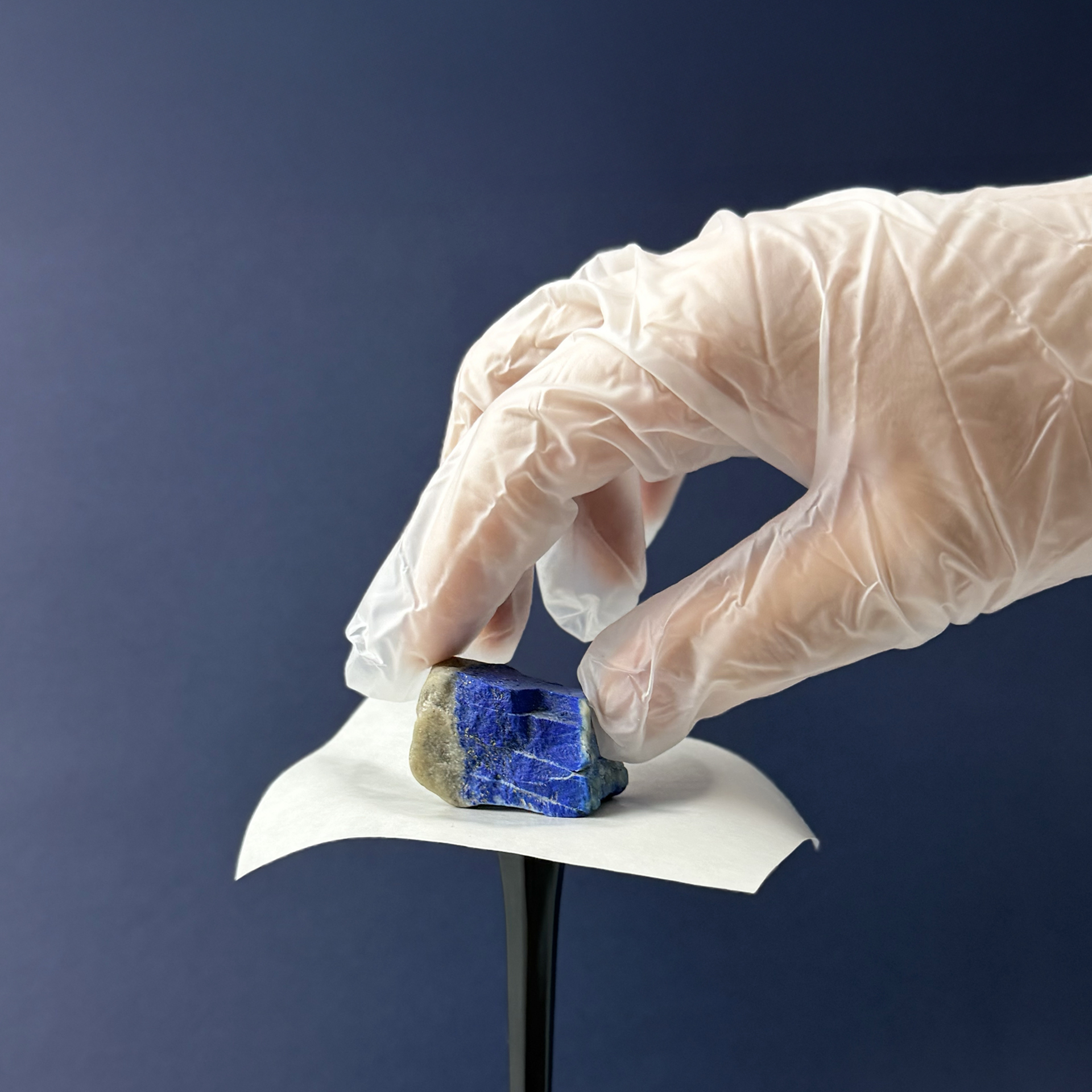
“We love to contemplate blue—not because it advances to us, but because it draws us after it.” – Johann Wolfgang von Goethe. Ghosts of Blue traces the pursuit of the color blue in art and science, the myriad meanings it holds in our lives, and the lengths people have gone to find it. In an unrequited love story of sorts, we will encounter scientists, artists, and everyday blue enthusiasts who have dedicated their lives to the color—whether in the pursuit of scientific discovery, spiritual communion, or artistic exploration. The film utilizes a rich tapestry of textures and sounds, combining archival imagery, vibrant 16mm footage, handmade cyanotypes, verité storytelling, and poetic voiceover. A cyanometer spinning between different shades of blue serves as a structural device guiding our journey through blue’s history and contemporary manifestations. We begin with blue’s origins, in time and in the earth: Lapis Lazuli, revered in Ancient Egypt and used in the works of Michelangelo and Vermeer; cobalt, integral to China’s famous blue-and-white porcelain; indigo, cultivated by indigenous people across multiple continents.
We weave in blue’s more recent past in art and literature as well—from Yves Klein’s iconic blue works, to Derek Jarman’s film Blue, to Maggie Nelson’s Bluets. Ghosts of Blue also traverses the dark undercurrent of the color’s history. The highly toxic cobalt, named “evil spirit” in German, famously made painters ill. It is currently at the center of a human rights crisis in Congo. Indigo, known for its use in textiles, was cultivated by enslaved Africans in the United States and was central to the plantation economy. New Age enthusiasts buy “ethically sourced” Lapis Lazuli online, but the money eventually reaches the Taliban, which controls Afghanistan’s Lapis mines. Various shades of “sky blue” have been utilized by militaries to camouflage fighter jets in the sky. The film’s contemporary thread takes us around the world on a quest to find more sustainable alternatives for blue. In a California lab, we follow a group of scientists as they attempt to produce an eco-friendly chemical blue. At the site of a former plantation in South Carolina, there is a resurgence of interest in growing indigo, driven by a desire for historical preservation and sustainable agriculture. In Cuba, home to the third-largest cobalt reserve in the world, scientist-activists repurpose mining waste to produce pigments for local ceramics companies.
There is something fundamentally unknowable in the color blue that continues to drive human pursuits of knowledge and creation—as well as human conquests of land and resources. Blue haunts our past and present, and illuminates the different faces of human desire: our yearning for beauty and knowledge, and our impulse towards greed, selfishness, and destruction. Across art, science, culture, philosophy, and religion, blue is a locus of questions about how we perceive the world around us and make meaning out of it.
Documentary Film, Experimental Film, Film/Moving Image
2026
About Sarah Garrahan
Long Beach, CA
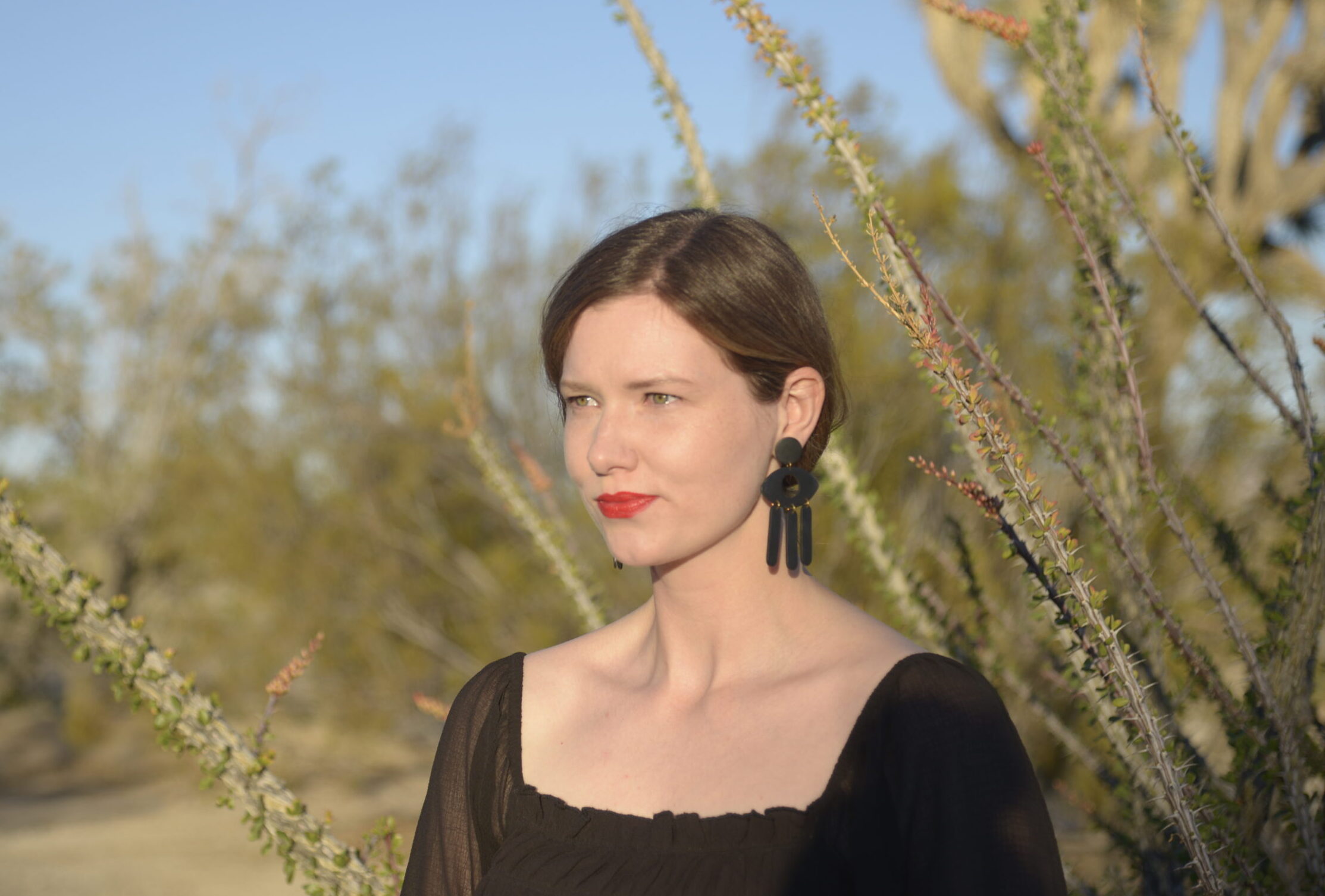 Sarah Garrahan (she/her) is a documentary artist and editor from San Antonio, Texas. She is based in Los Angeles, CA. She co-produced and was an additional editor on the hybrid feature documentary The Infiltrators (Sundance Film Festival 2019). She edited the feature documentaries Building the American Dream (SXSW 2019), Silent Beauty (Hot Docs Film Festival 2022), Slumlord Millionaire (DOCNYC 2024) and the short documentaries Status Pending (Al Jazeera), La Isla (The New Yorker) and Love in the Time of Migration (LA Times Short Docs). She is a former Flaherty Fellow, Felsman Fellow and Karen Schmeer Film Editing Fellow. In 2023, she was named one of Filmmaker Magazine’s 25 New Faces of Independent Film. In 2024, she was named one of DOCNYC’s “40 Under 40”. She has served as an editing consultant for the Sundance Institute, Firelight Media, the IDA, and on numerous feature and short films. She holds an MFA in Experimental and Documentary Arts from Duke University.
Sarah Garrahan (she/her) is a documentary artist and editor from San Antonio, Texas. She is based in Los Angeles, CA. She co-produced and was an additional editor on the hybrid feature documentary The Infiltrators (Sundance Film Festival 2019). She edited the feature documentaries Building the American Dream (SXSW 2019), Silent Beauty (Hot Docs Film Festival 2022), Slumlord Millionaire (DOCNYC 2024) and the short documentaries Status Pending (Al Jazeera), La Isla (The New Yorker) and Love in the Time of Migration (LA Times Short Docs). She is a former Flaherty Fellow, Felsman Fellow and Karen Schmeer Film Editing Fellow. In 2023, she was named one of Filmmaker Magazine’s 25 New Faces of Independent Film. In 2024, she was named one of DOCNYC’s “40 Under 40”. She has served as an editing consultant for the Sundance Institute, Firelight Media, the IDA, and on numerous feature and short films. She holds an MFA in Experimental and Documentary Arts from Duke University.
About Sue Ding
Los Angeles, CA
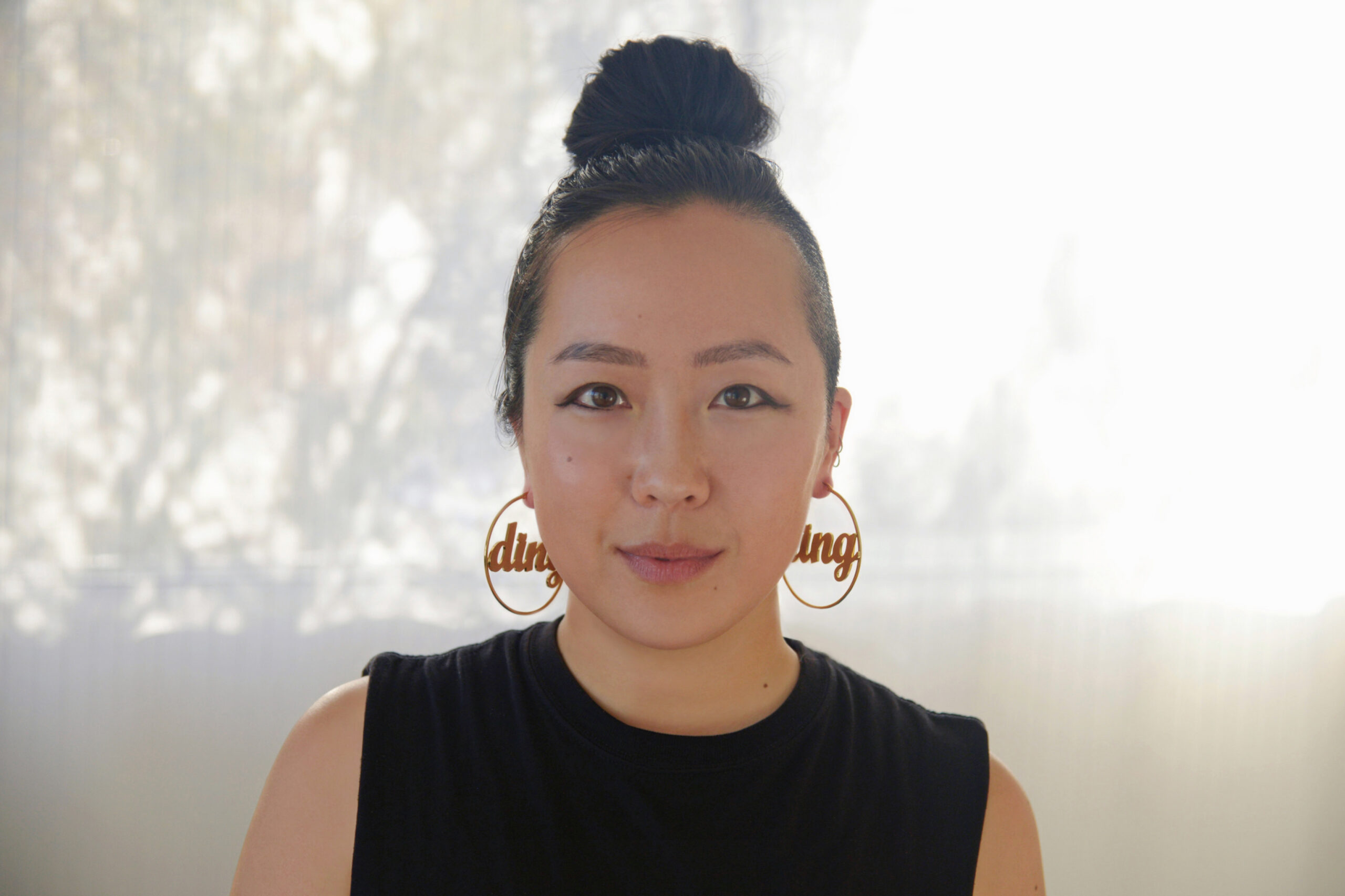 Sue Ding is a filmmaker and visual artist based in Los Angeles. Her work explores race, gender, and diaspora through the lens of visual culture. In her research-based practice, she emphasizes process, form, and deep readings of both media and landscapes. Sue directed and edited the short documentaries The Claudia Kishi Club (SXSW ’20), Makeover Movie (IDFA ’23), and How the West Was Fun (True/False ’25). Her films can be found on Netflix, PBS, The New York Times , and Vimeo Staff Picks. She is the recipient of an Emmy Award, Edward R. Murrow Award, and numerous film festival awards. In 2023, she was named one of Filmmaker magazine’s “25 New Faces of Independent Film.” Sue is also a freelance director and editor. Her interdisciplinary practice spans film, installation, and emerging media, and she consults and lectures widely on nonfiction filmmaking and media arts. She holds a BA from Brown University (Visual Arts) and an MS from MIT (Comparative Media).
Sue Ding is a filmmaker and visual artist based in Los Angeles. Her work explores race, gender, and diaspora through the lens of visual culture. In her research-based practice, she emphasizes process, form, and deep readings of both media and landscapes. Sue directed and edited the short documentaries The Claudia Kishi Club (SXSW ’20), Makeover Movie (IDFA ’23), and How the West Was Fun (True/False ’25). Her films can be found on Netflix, PBS, The New York Times , and Vimeo Staff Picks. She is the recipient of an Emmy Award, Edward R. Murrow Award, and numerous film festival awards. In 2023, she was named one of Filmmaker magazine’s “25 New Faces of Independent Film.” Sue is also a freelance director and editor. Her interdisciplinary practice spans film, installation, and emerging media, and she consults and lectures widely on nonfiction filmmaking and media arts. She holds a BA from Brown University (Visual Arts) and an MS from MIT (Comparative Media).