A Separate Rite
A Separate Rite
Aaron Robertson
Aaron Robertson
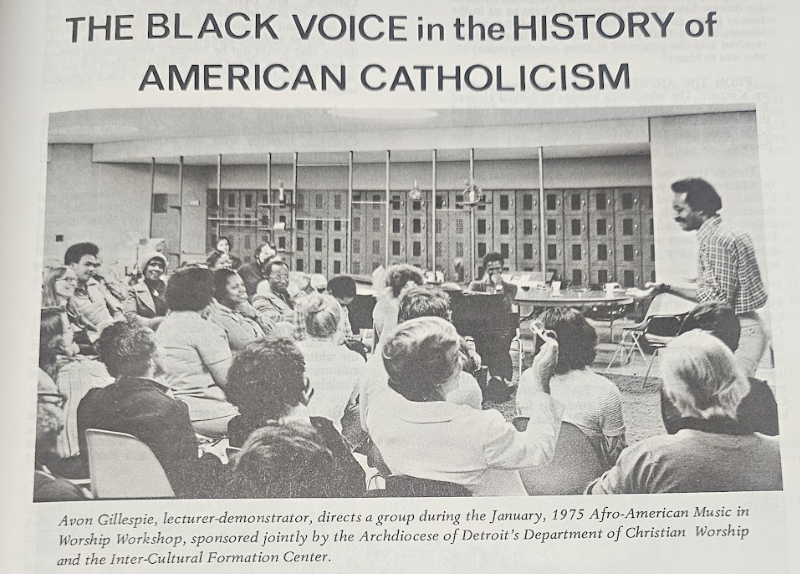
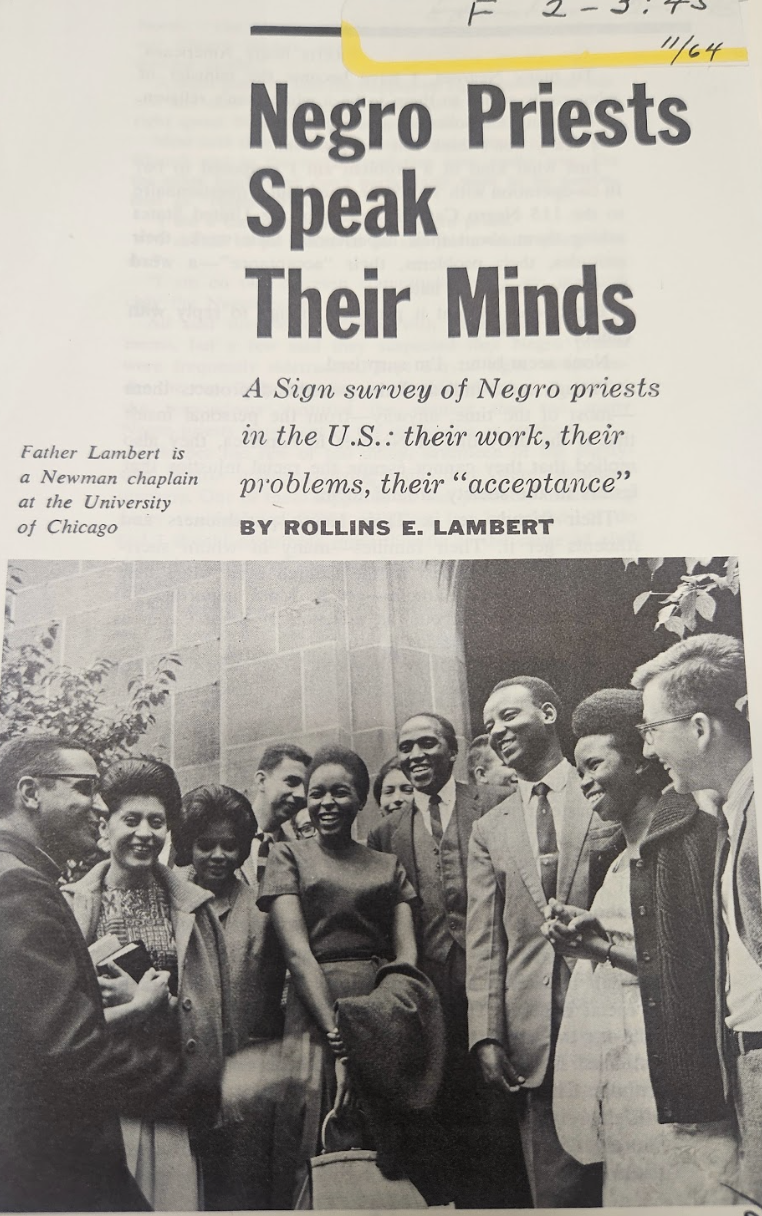
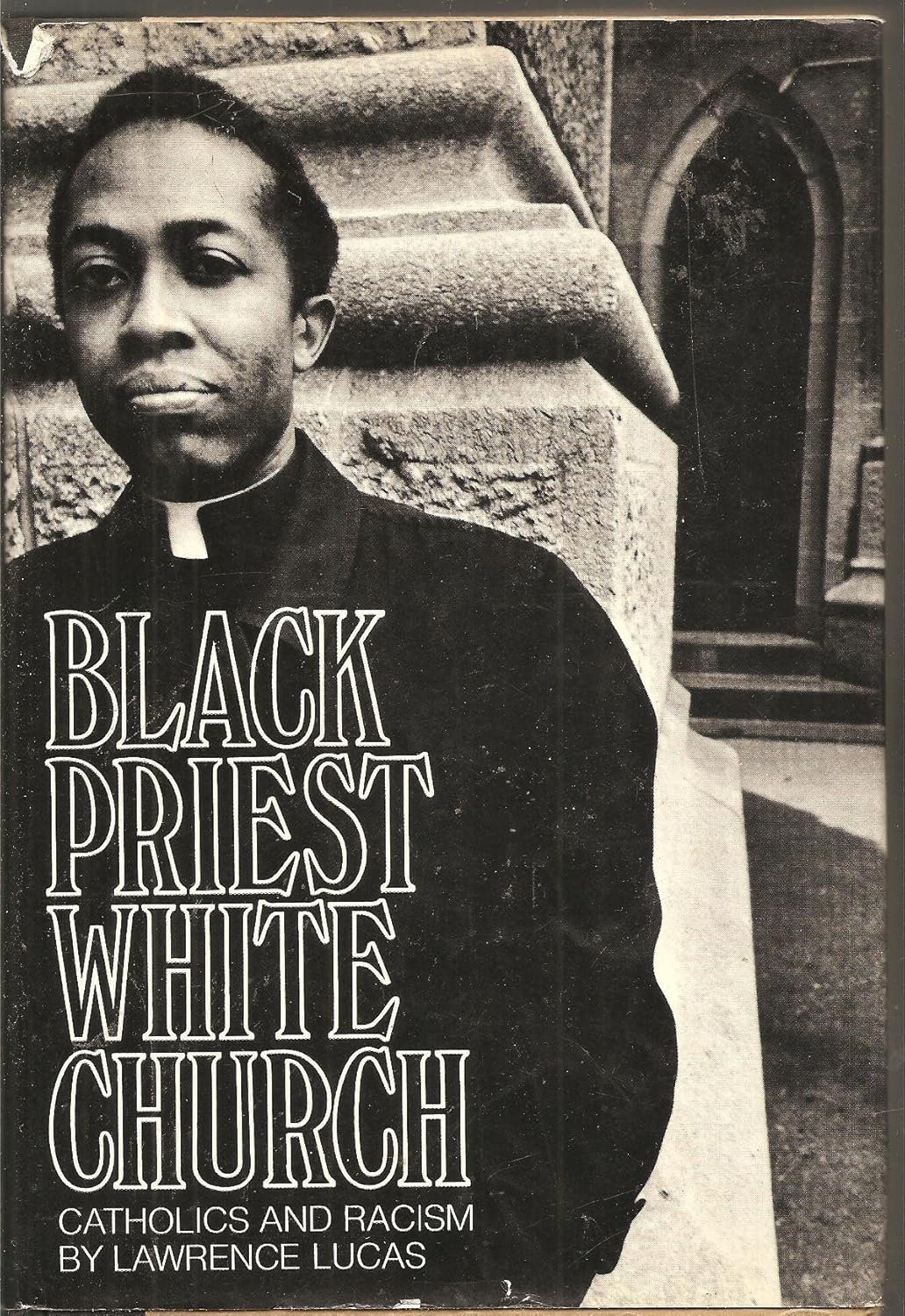
A Separate Rite delves into the intersections of religion and Black self-determination during a tumultuous period in American history. The novel unfolds against the backdrop of the Black Power movement and the Second Vatican Council (1962-1965), which aimed to modernize Catholic Church practices.
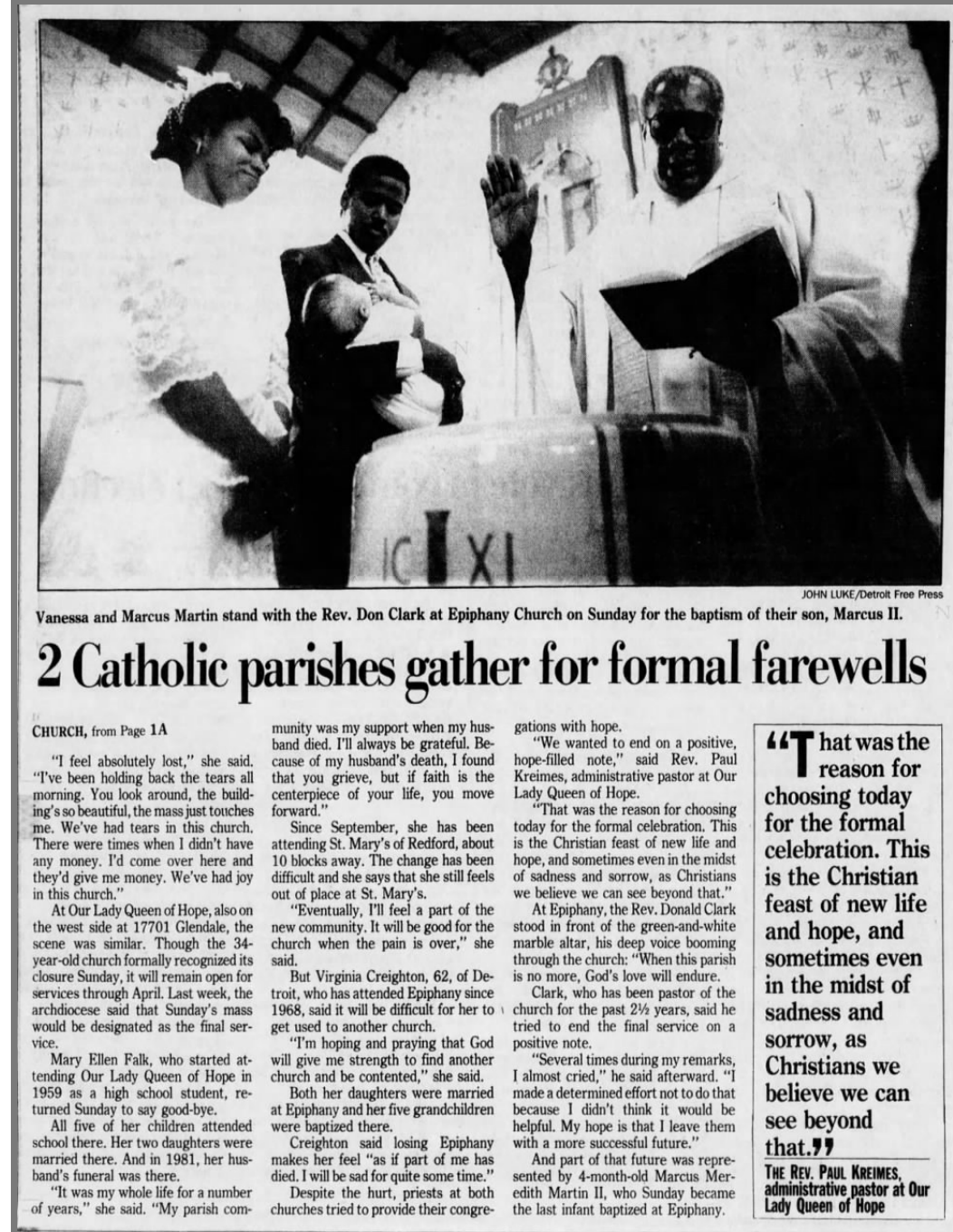
The narrative centers on Father Leopold Garrett, an aging Black nationalist and pastor of a schismatic religious institution that broke off from the Catholic Church in the late 1960s, resulting in his excommunication. In 1989, as the Detroit Archdiocese plans to close over thirty parish churches and schools due to funding shortages and demographic shifts, Garrett leads a citywide protest movement. The story begins with a startling discovery that revives old wounds and sparks new opportunities for Garrett’s congregation: the incorruptible bodies of two children from his church, missing since the 1960s, are found preserved as though they were merely sleeping. Their bodies emit faint scents of rosewater and myrrh, reminiscent of ancient Christian saints, which raises profound spiritual questions and spurs a revolt against the shutdown of inner-city churches, mostly serving poor and Black communities.
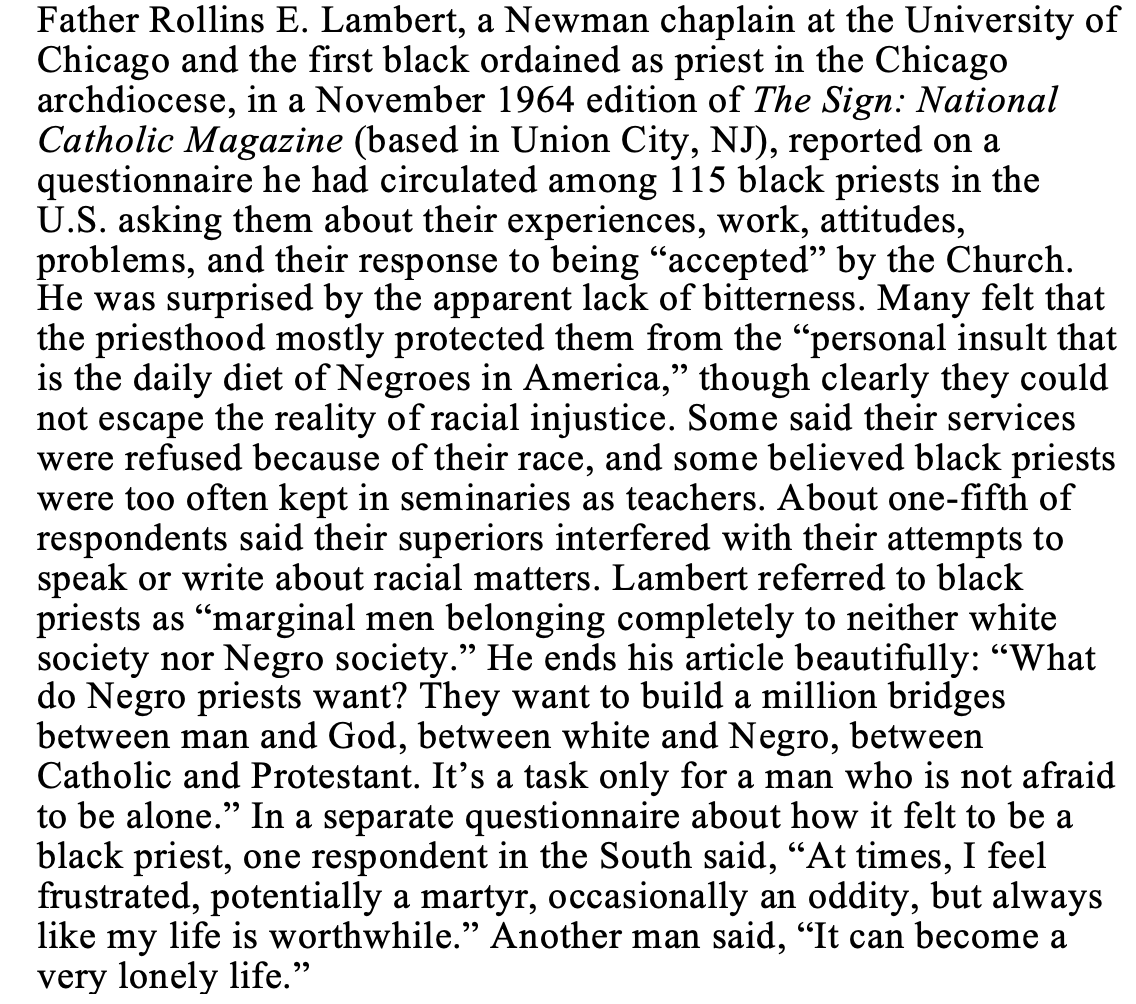
The novel explores themes of faith, loss, revolution, spiritual conversion, and the tension between secular and sacred realms. It combines traditional archival research with oral histories, Black Catholic autobiographical writing, and medieval hagiographies. Garrett’s personal testimony provides the structural backbone, recounting the lives and purported miracles of the children, the so-called “myrrhoblytes,” while reclaiming a voice for Black believers within the broader tapestry of Catholic history. Ultimately, A Separate Rite presents a surreal and intimate portrait of a revolutionary church in decline, serving as a dramatic microcosm of Black Catholic history in the United States.
Literary Fiction, Literature, Socially-Engaged Literature
2025
About Aaron Robertson
Brooklyn, New York
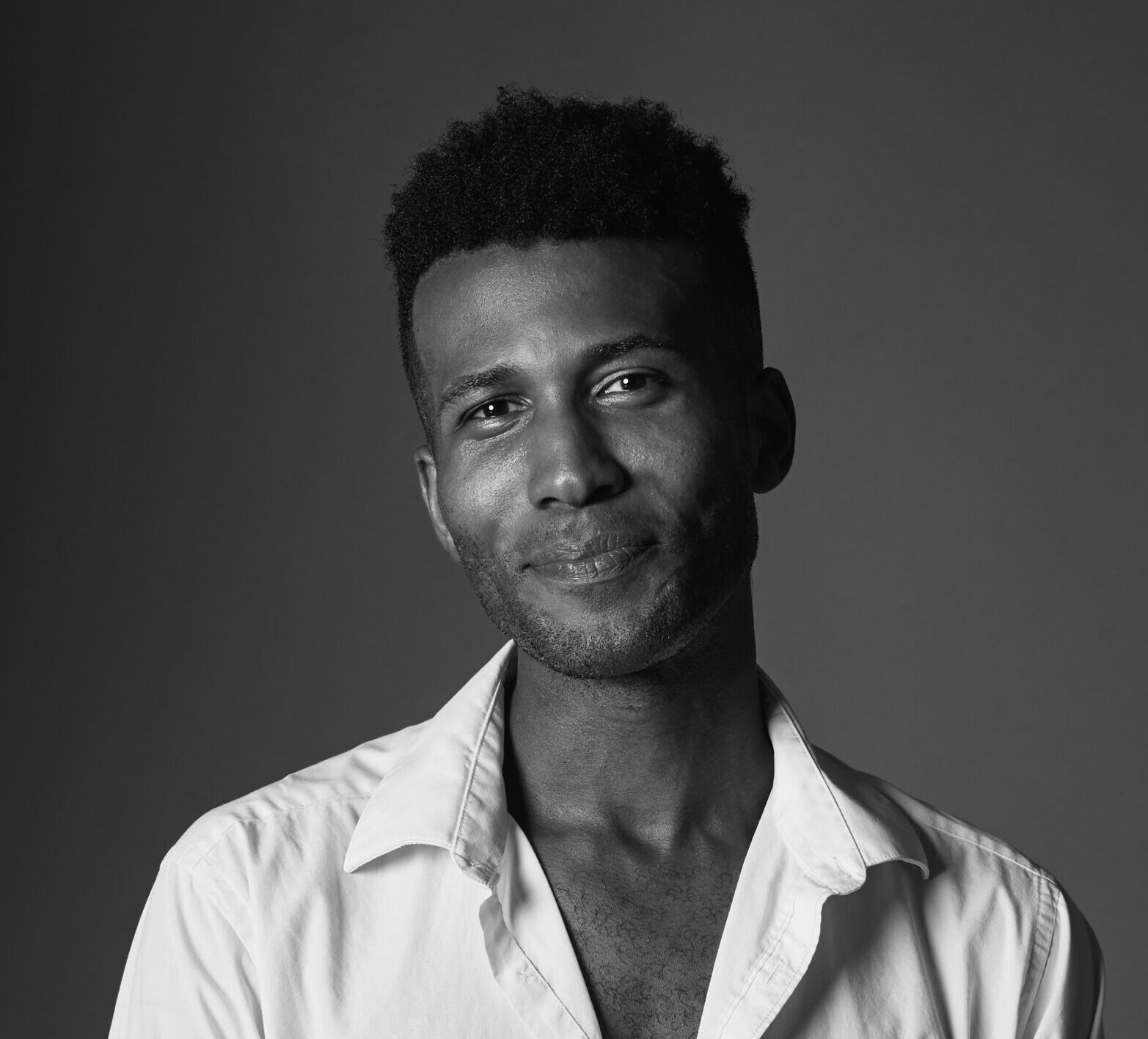 Aaron Robertson is a writer, journalist, translator (from Italian), and former book editor. He is the inaugural Centennial Fellow at Commonweal magazine and a 2026–28 Tulsa Artist Fellow.
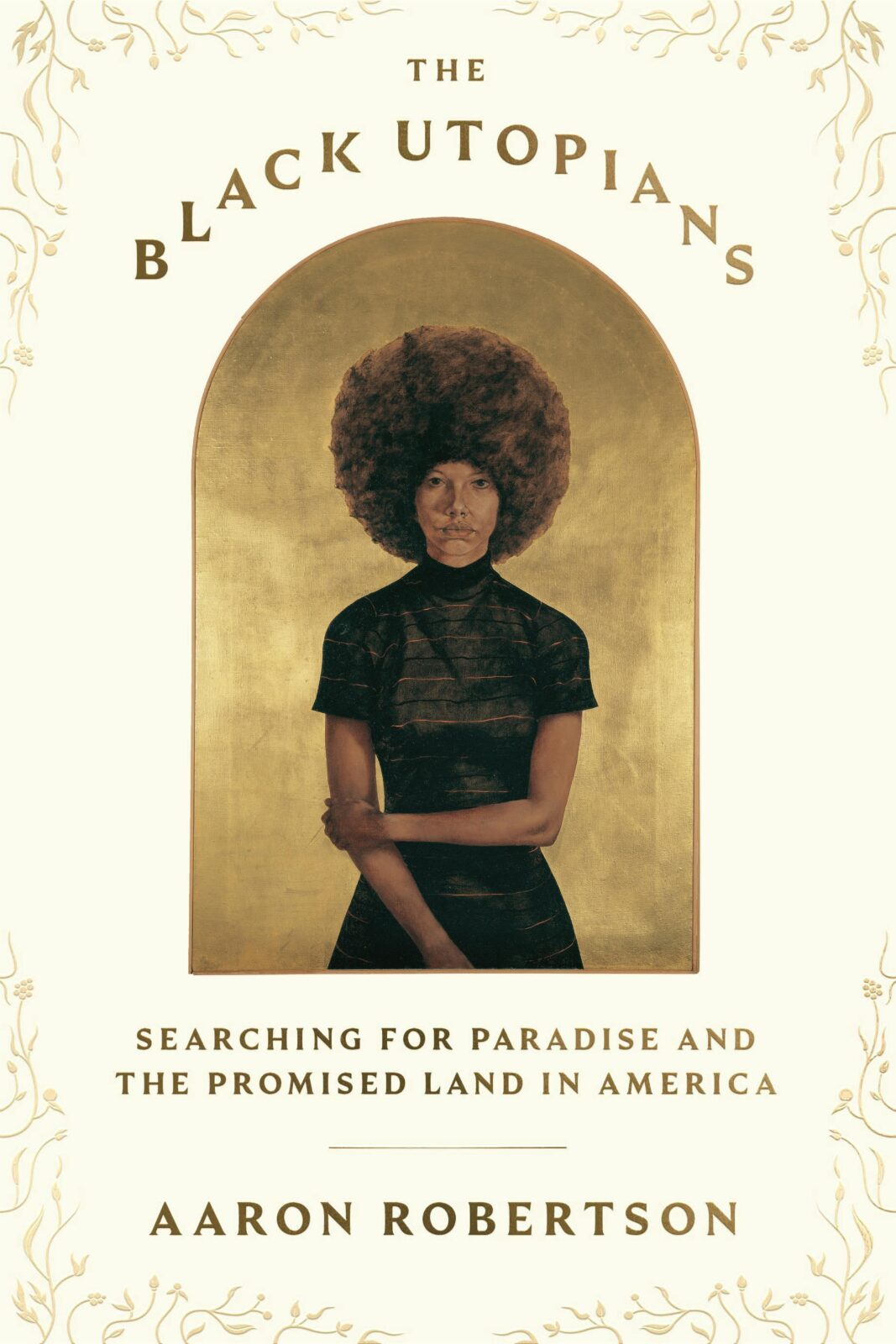
His nonfiction debut, The Black Utopians: Searching for Paradise and the Promised Land in America (Farrar, Straus and Giroux, 2024), won the Bridge Book Award for American Nonfiction and was a finalist for the Los Angeles Times Book Prize for History, the Hooks National Book Award, and the Zora Award for Nonfiction. The book was named a New York Times Notable Book, a Washington Post Best Nonfiction Book of 2024, one of TIME’s 100 Must-Read Books of 2024, one of the New York Public Library’s 10 Best Books of 2024, and a 2025 Michigan Notable Book. It was also recognized as a best book of 2024 by The New Yorker, The Boston Globe, The New Republic, ELLE, Essence, Literary Hub, Booklist, and the Chicago Public Library. It is available in the UK from Chatto & Windus.
His translation of Igiaba Scego’s novel Beyond Babylon (Two Lines Press, 2019) was shortlisted for the PEN Translation Prize and the National Translation Award. He has contributed to the anthologies Violent Phenomena: 21 Essays on Translation (Tilted Axis Press, 2022) and The Heart of a Stranger: An Anthology of Exile Literature (Pushkin Press, 2019). His work has received support from the National Endowment for the Arts, Creative Capital, and the Robert B. Silvers Foundation.
Robertson has written for The New York Times, The Nation, Foreign Policy, n+1, The Los Angeles Review of Books, The Point, Literary Hub, and elsewhere. He has served as a board member of the American Literary Translators Association, an advisory editor at The Paris Review, a coach for the Detroit Writing Room, and a judge for the 2024 International Booker Prize.
Aaron Robertson is a writer, journalist, translator (from Italian), and former book editor. He is the inaugural Centennial Fellow at Commonweal magazine and a 2026–28 Tulsa Artist Fellow.
His nonfiction debut, The Black Utopians: Searching for Paradise and the Promised Land in America (Farrar, Straus and Giroux, 2024), won the Bridge Book Award for American Nonfiction and was a finalist for the Los Angeles Times Book Prize for History, the Hooks National Book Award, and the Zora Award for Nonfiction. The book was named a New York Times Notable Book, a Washington Post Best Nonfiction Book of 2024, one of TIME’s 100 Must-Read Books of 2024, one of the New York Public Library’s 10 Best Books of 2024, and a 2025 Michigan Notable Book. It was also recognized as a best book of 2024 by The New Yorker, The Boston Globe, The New Republic, ELLE, Essence, Literary Hub, Booklist, and the Chicago Public Library. It is available in the UK from Chatto & Windus.
His translation of Igiaba Scego’s novel Beyond Babylon (Two Lines Press, 2019) was shortlisted for the PEN Translation Prize and the National Translation Award. He has contributed to the anthologies Violent Phenomena: 21 Essays on Translation (Tilted Axis Press, 2022) and The Heart of a Stranger: An Anthology of Exile Literature (Pushkin Press, 2019). His work has received support from the National Endowment for the Arts, Creative Capital, and the Robert B. Silvers Foundation.
Robertson has written for The New York Times, The Nation, Foreign Policy, n+1, The Los Angeles Review of Books, The Point, Literary Hub, and elsewhere. He has served as a board member of the American Literary Translators Association, an advisory editor at The Paris Review, a coach for the Detroit Writing Room, and a judge for the 2024 International Booker Prize.
Aaron Robertson is a writer, journalist, translator (from Italian), and former book editor. He is the inaugural Centennial Fellow at Commonweal magazine and a 2026–28 Tulsa Artist Fellow. His nonfiction debut, The Black Utopians: Searching for Paradise and the Promised Land in America (Farrar, Straus and Giroux, 2024), won the Bridge Book Award for American Nonfiction and was a finalist for the Los Angeles Times Book Prize for History, the Hooks National Book Award, and the Zora Award for Nonfiction. The book was named a New York Times Notable Book, a Washington Post Best Nonfiction Book of 2024, one of TIME’s 100 Must-Read Books of 2024, one of the New York Public Library’s 10 Best Books of 2024, and a 2025 Michigan Notable Book. It was also recognized as a best book of 2024 by The New Yorker, The Boston Globe, The New Republic, ELLE, Essence, Literary Hub, Booklist, and the Chicago Public Library. It is available in the UK from Chatto & Windus. His translation of Igiaba Scego’s novel Beyond Babylon (Two Lines Press, 2019) was shortlisted for the PEN Translation Prize and the National Translation Award. He has contributed to the anthologies Violent Phenomena: 21 Essays on Translation (Tilted Axis Press, 2022) and The Heart of a Stranger: An Anthology of Exile Literature (Pushkin Press, 2019). His work has received support from the National Endowment for the Arts, Creative Capital, and the Robert B. Silvers Foundation. Robertson has written for The New York Times, The Nation, Foreign Policy, n+1, The Los Angeles Review of Books, The Point, Literary Hub, and elsewhere. He has served as a board member of the American Literary Translators Association, an advisory editor at The Paris Review, a coach for the Detroit Writing Room, and a judge for the 2024 International Booker Prize.