
Mirror & Pattern: When Animals Were People
Mirror & Pattern: When Animals Were People
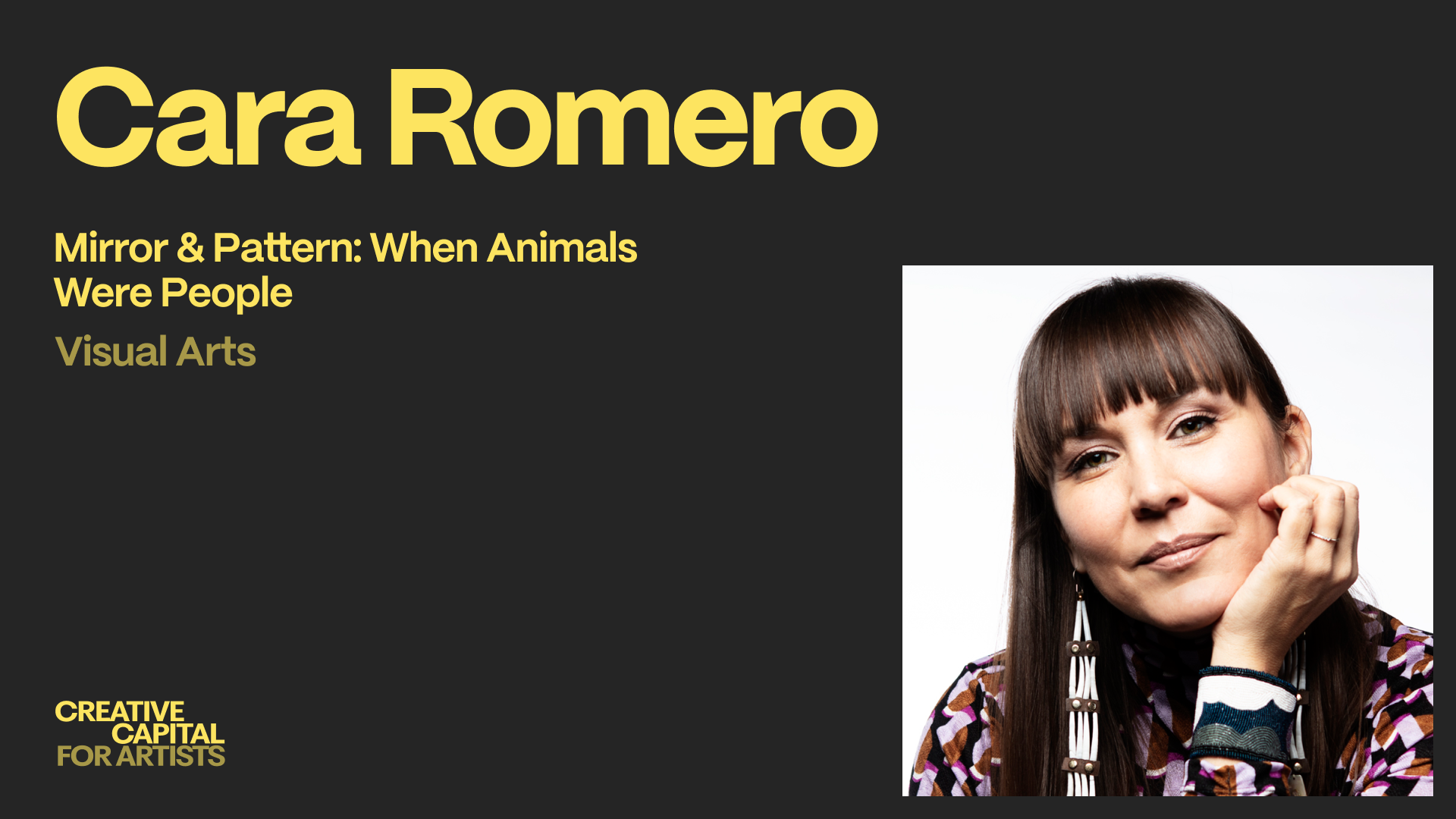
Cara Romero
Cara Romero
Chemehuevi artist Cara Romero is developing a multi-dimensional project titled Mirror and Pattern: When Animals Were People that centers on intergenerational knowledge transmission within her tribal community in the Mojave Desert. Through collaborative mask-making, performative storytelling, and documentary photography and film, she aims to revitalize traditional narratives by engaging tribal youth in the active recreation of these stories.
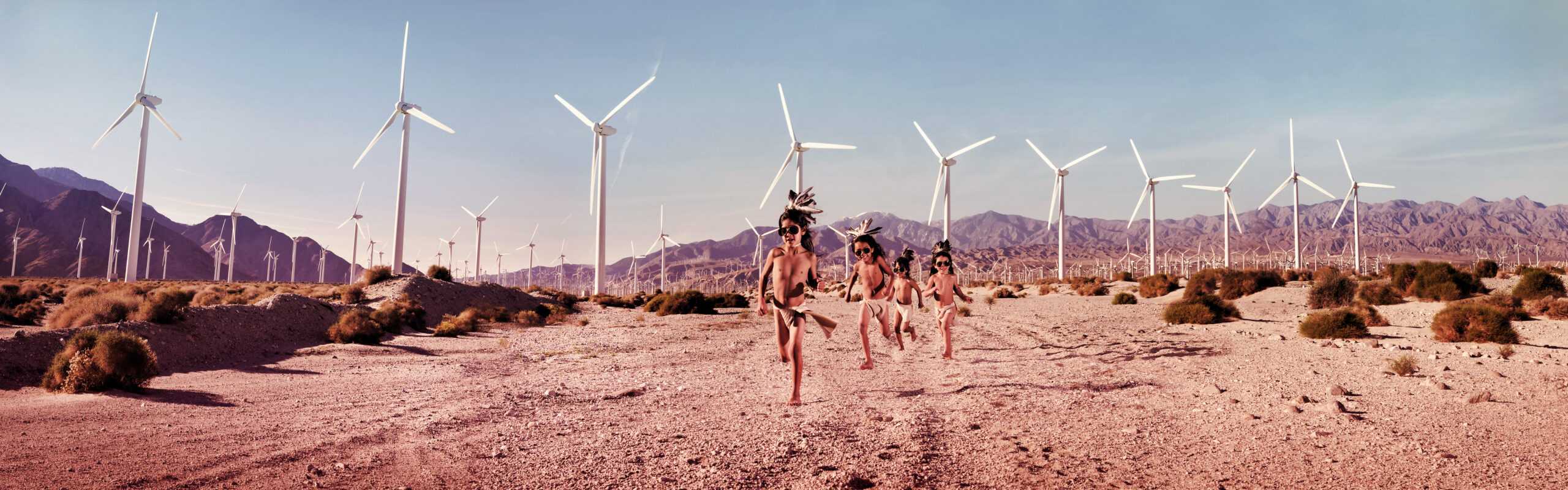
Romero will begin with an immersive workshop series bringing together Chemehuevi elders and knowledge keepers to share oral histories with younger tribal members. The focus will be on creation and mythos from the formative era known as When Animals Were People. These narratives explain the relationship between the Chemehuevi people and the Mojave Desert ecosystem, describing how the community emerged in connection with the region’s resident animals, flora, and fauna. Working collaboratively, Romero will guide youth participants in crafting animal masks representing key figures from these stories. The mask-making process will utilize both traditional materials—such as desert fibers, clay, and natural pigments sourced from the Mojave—and contemporary elements that complement the desert ecology. Each mask and costume will reflect both the cultural significance of desert animals in Chemehuevi cosmology and their physical characteristics. After completing the masks, Romero will direct a series of performances in which youth, wearing their handcrafted masks, will enact these traditional stories at significant locations throughout Chemehuevi lands. These performances will take place in carefully selected settings that connect to specific narrative elements—dry washes, ancient trails, sacred rock formations, and oasis areas—creating a powerful juxtaposition of ancient stories within the contemporary desert landscape.
Romero will document these performances through two complementary media: film photography and digital filmmaking. Her black-and-white silver gelatin prints will capture the dramatic contrast between the masked performers and the desert landscape, producing richly textured images that evoke both historical documentation and fine art. She will create a final collection of 20 analog prints, carefully selected to represent the full scope and significance of the project. Simultaneously, Romero will record these performances using digital video equipment to create her first art film—a concise 5-minute piece that will be deliberately cinematic rather than documentary in approach. This film will focus on the visual poetry of the masked performances against the Mojave backdrop and incorporate traditional Chemehuevi language, song and environmental sounds from the desert.
The final presentation will feature both the collection of 20 silver gelatin photographs and the 5-minute art film, exhibited together to create a dialogue between still and moving images. For participating Chemehuevi youth, the project offers direct engagement with cultural heritage through creative expression. For wider audiences, Romero’s work will provide insight into living Chemehuevi cultural traditions while highlighting the enduring relationship between the tribe and the Mojave Desert homeland, ensuring these vital cultural narratives continue to resonate for generations to come.

Ecological Art, Photography, Socially-Engaged Visual Art, Visual Arts
2026
About Cara Romero
Santa Fe, NM
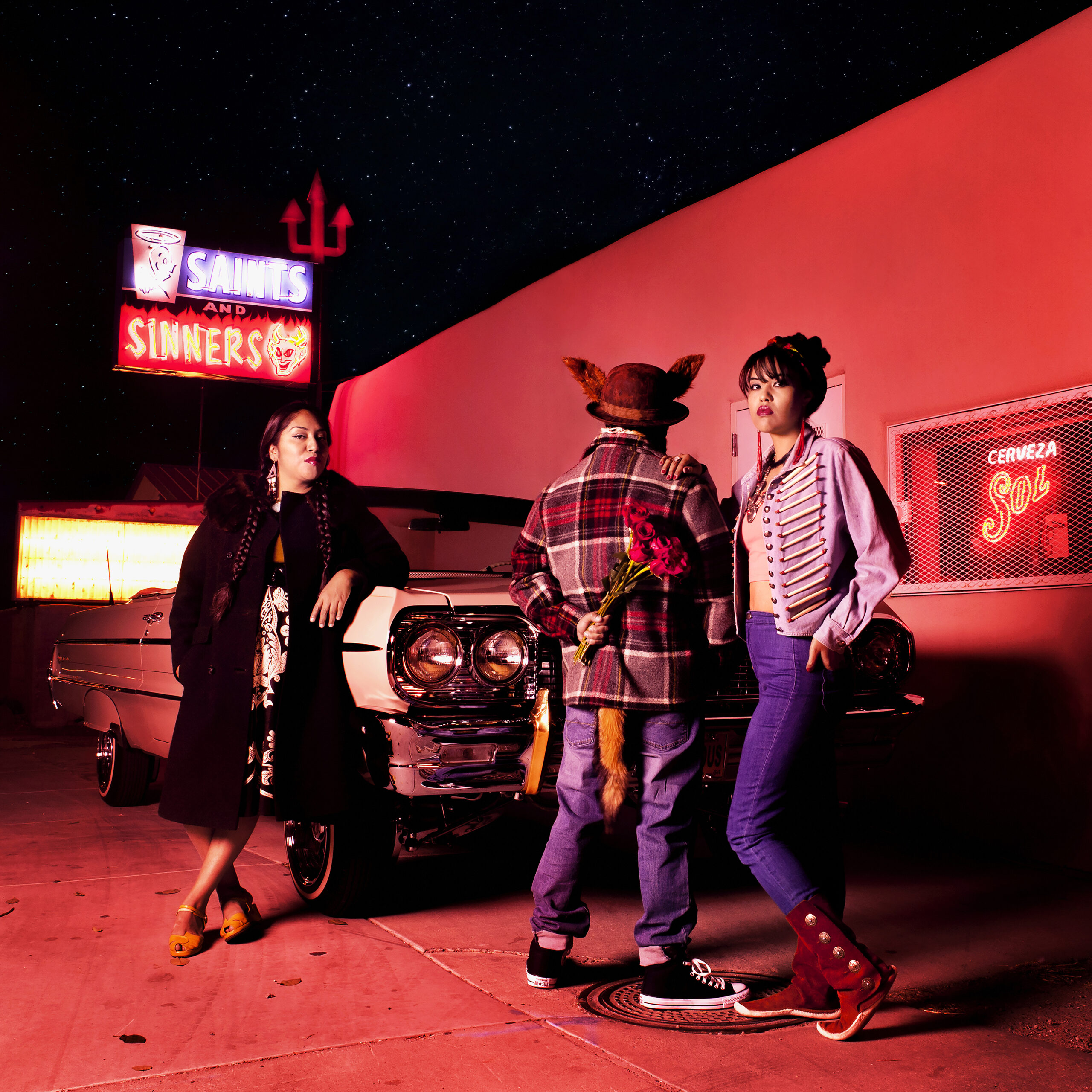
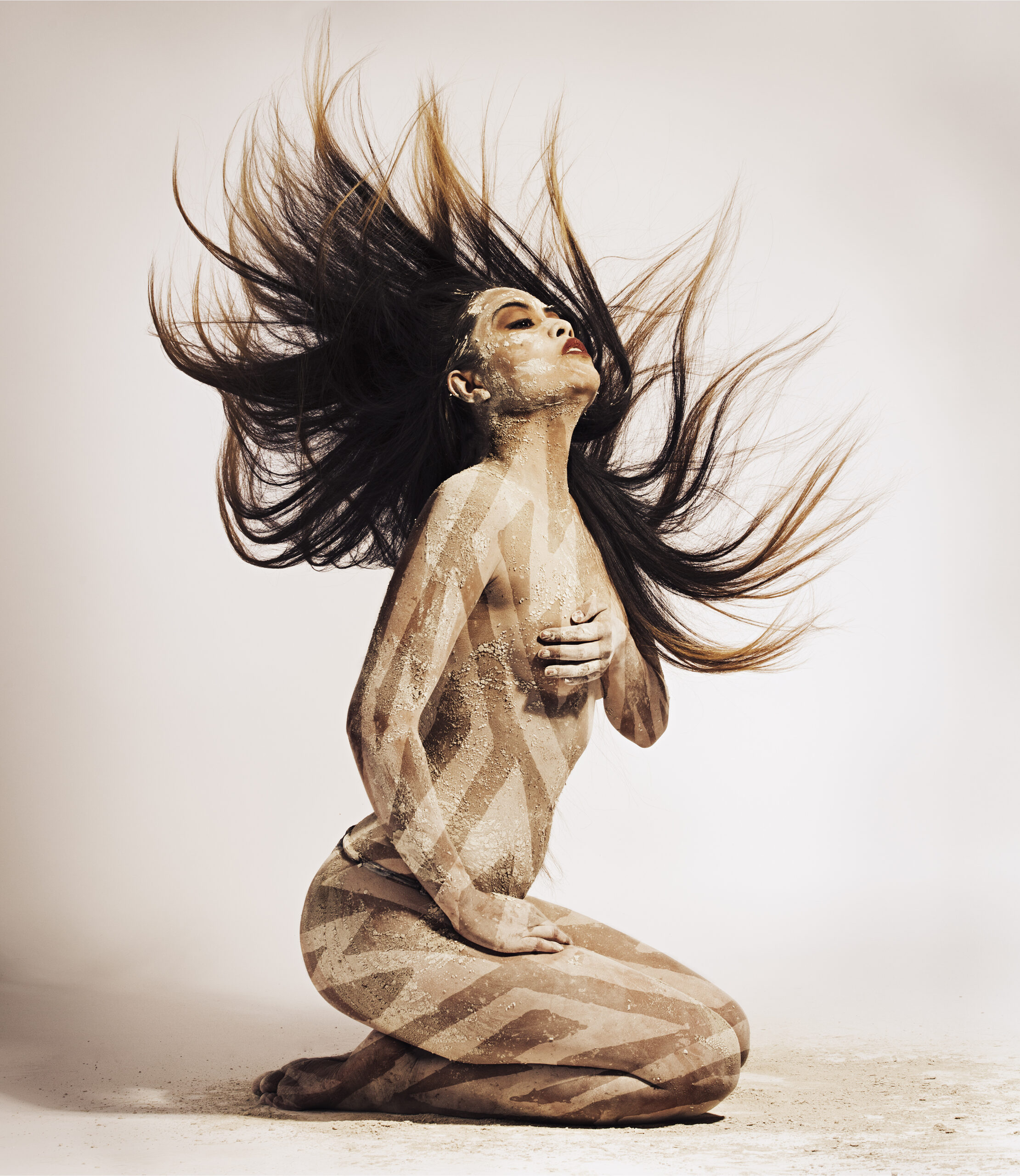
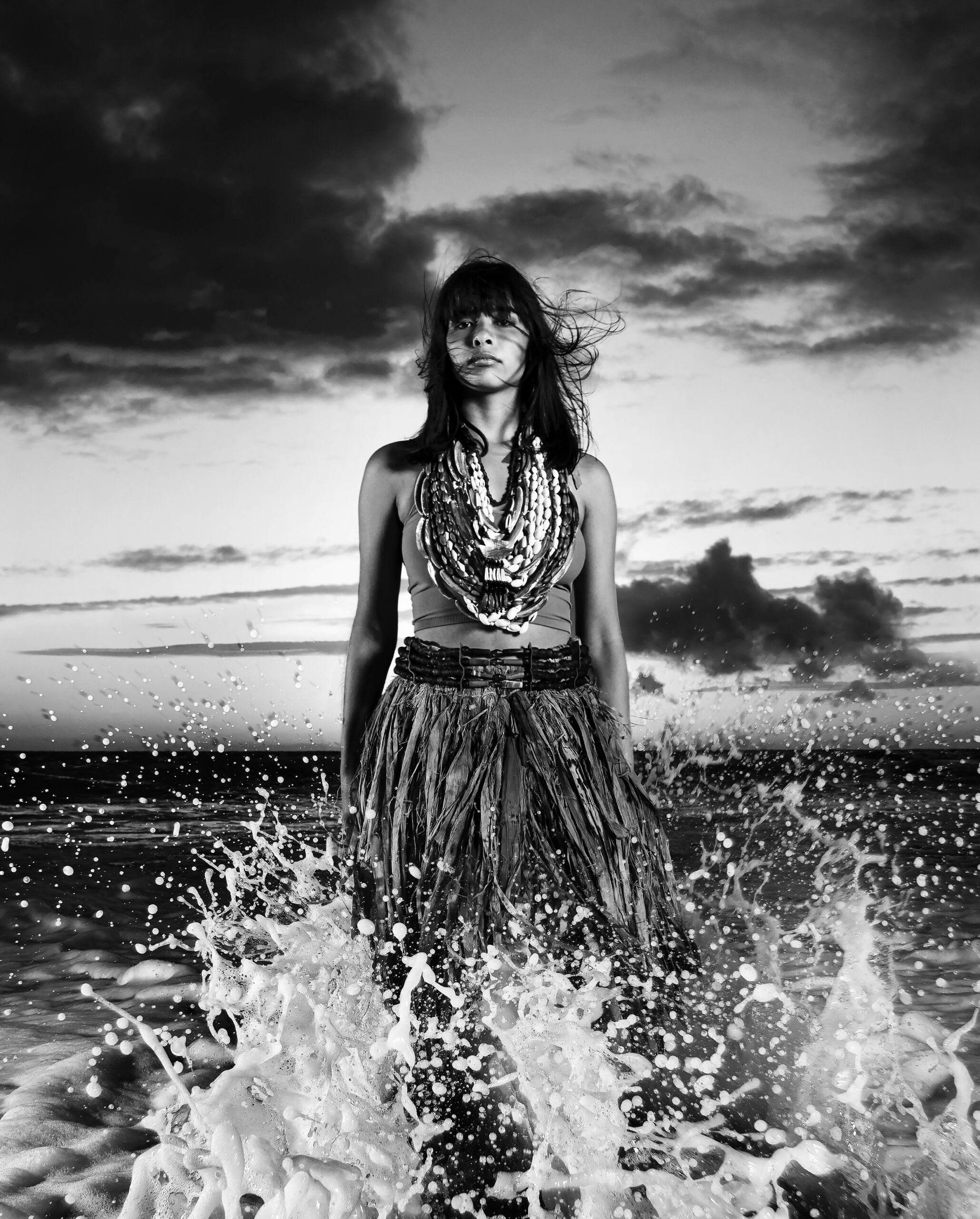
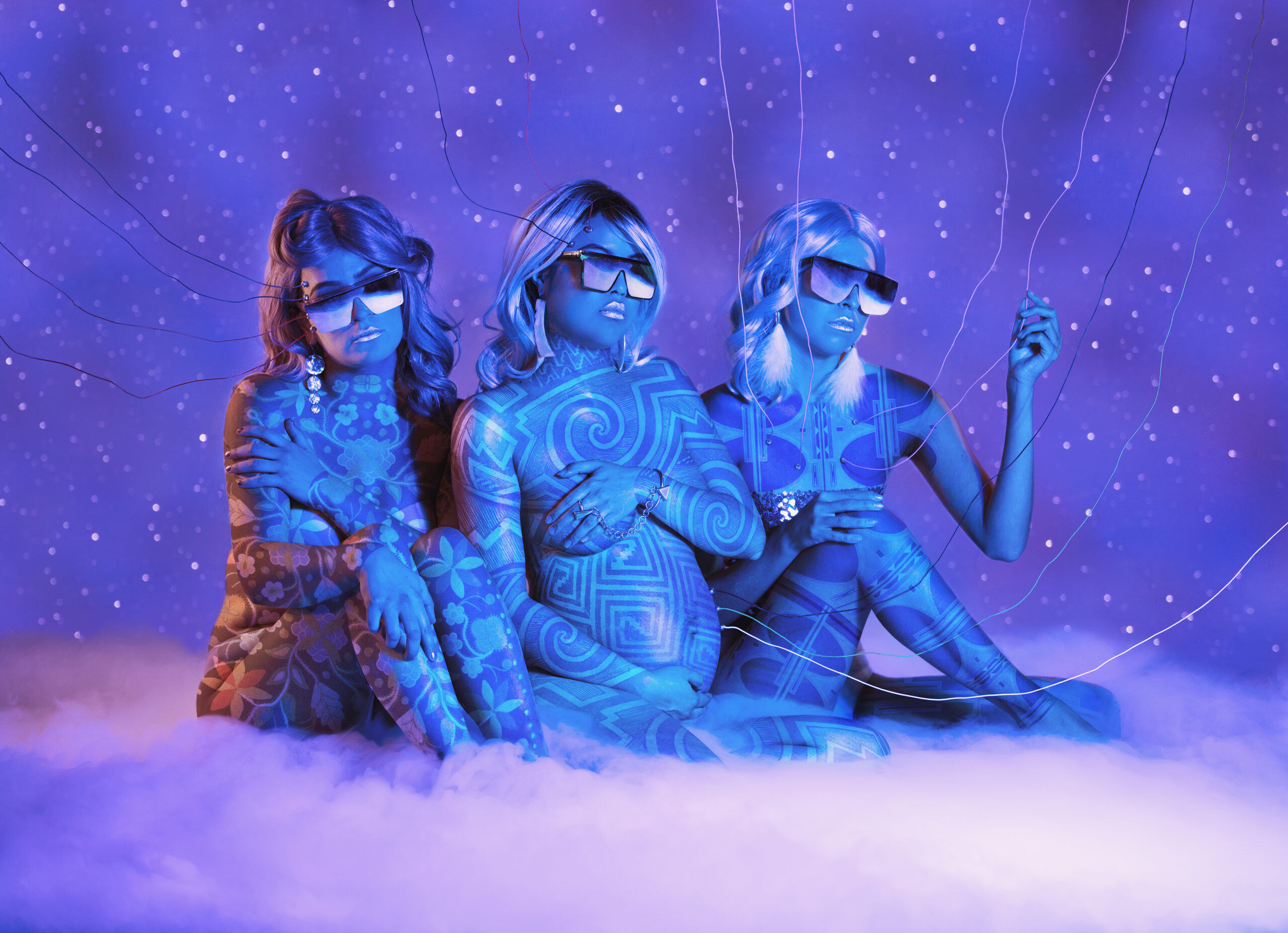
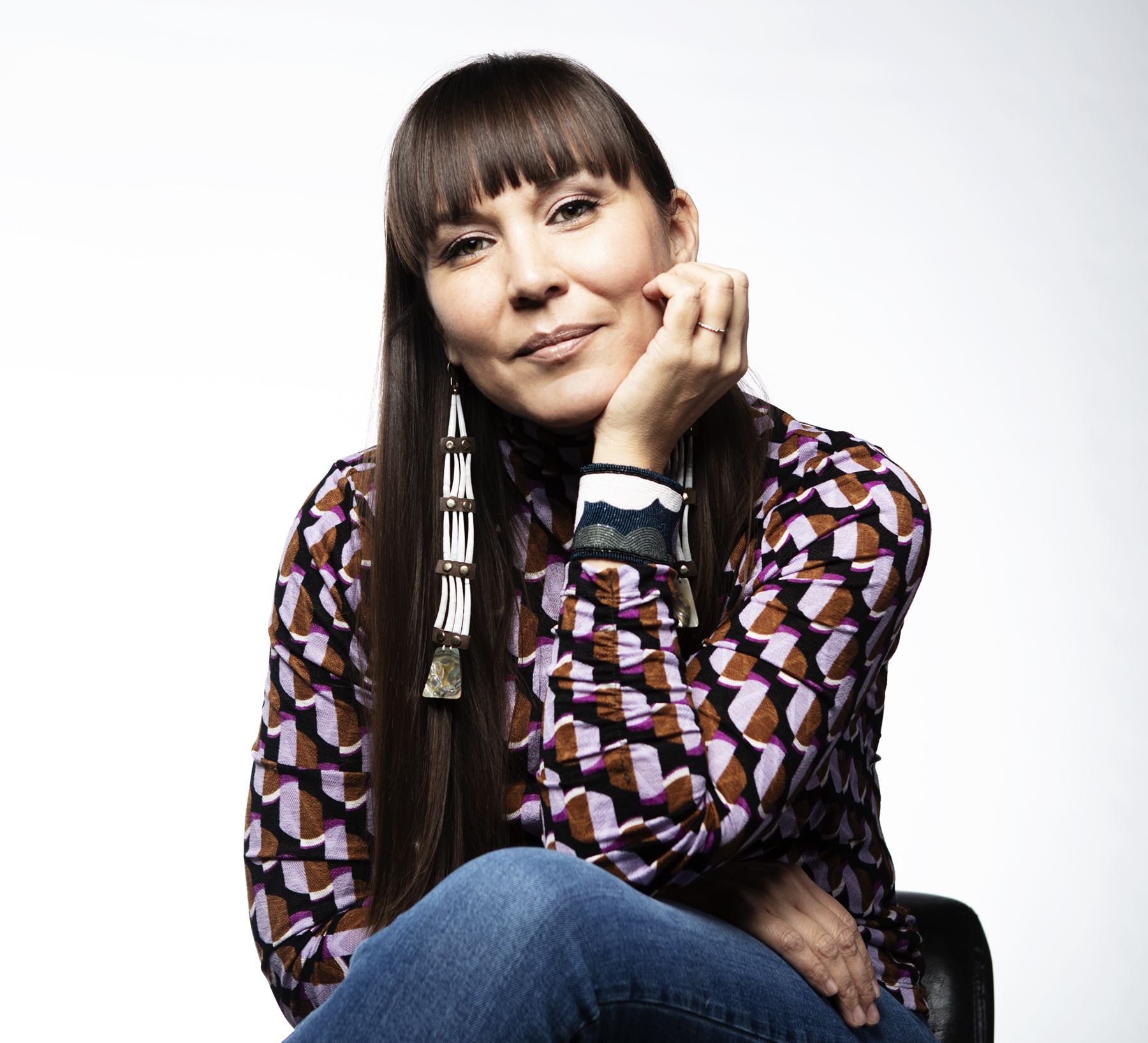 In a photographic practice that blends documentary and fine art aesthetics, Cara Romero (Chemehuevi Indian Tribe) creates stories that draw from intertribal knowledge to expose the fissures and fusions of Indigenous and non-Indigenous cultural memory, collective history, and futurity. Romero has held solo exhibitions in the US, UK, and Germany, most notably her recent major museum exhibition, Cara Romero: Panûpünüwügai (Living Light) at the Hood Museum of Art. Her recent group exhibitions include Our Selves: Photographs by Women Photographers at the Museum of Modern Art and Water Memories at the Metropolitan Museum of Art (2022). Her public art projects include #TONGVALAND, presented in Los Angeles by NDN Collective (2021), Restoration: Now or Never with Save Art Space in London (2020), and Desert X in the Coachella Valley (2019). Widely collected, Romero’s photographs are in private and public collections, including those at the Denver Art Museum, the Peabody Essex Museum, the Minneapolis Institute of Art, the Museum of Modern Art, the Nelson-Atkins Museum of Art, Los Angeles County Museum of Art, and the Smithsonian’s National Museum of the American Indian. Romero was raised between the rural Chemehuevi reservation in California’s Mojave Desert and the urban sprawl of Houston. She is based in Santa Fe.
In a photographic practice that blends documentary and fine art aesthetics, Cara Romero (Chemehuevi Indian Tribe) creates stories that draw from intertribal knowledge to expose the fissures and fusions of Indigenous and non-Indigenous cultural memory, collective history, and futurity. Romero has held solo exhibitions in the US, UK, and Germany, most notably her recent major museum exhibition, Cara Romero: Panûpünüwügai (Living Light) at the Hood Museum of Art. Her recent group exhibitions include Our Selves: Photographs by Women Photographers at the Museum of Modern Art and Water Memories at the Metropolitan Museum of Art (2022). Her public art projects include #TONGVALAND, presented in Los Angeles by NDN Collective (2021), Restoration: Now or Never with Save Art Space in London (2020), and Desert X in the Coachella Valley (2019). Widely collected, Romero’s photographs are in private and public collections, including those at the Denver Art Museum, the Peabody Essex Museum, the Minneapolis Institute of Art, the Museum of Modern Art, the Nelson-Atkins Museum of Art, Los Angeles County Museum of Art, and the Smithsonian’s National Museum of the American Indian. Romero was raised between the rural Chemehuevi reservation in California’s Mojave Desert and the urban sprawl of Houston. She is based in Santa Fe.