
Choreography of State
Choreography of State
Tania El Khoury
Tania El Khoury
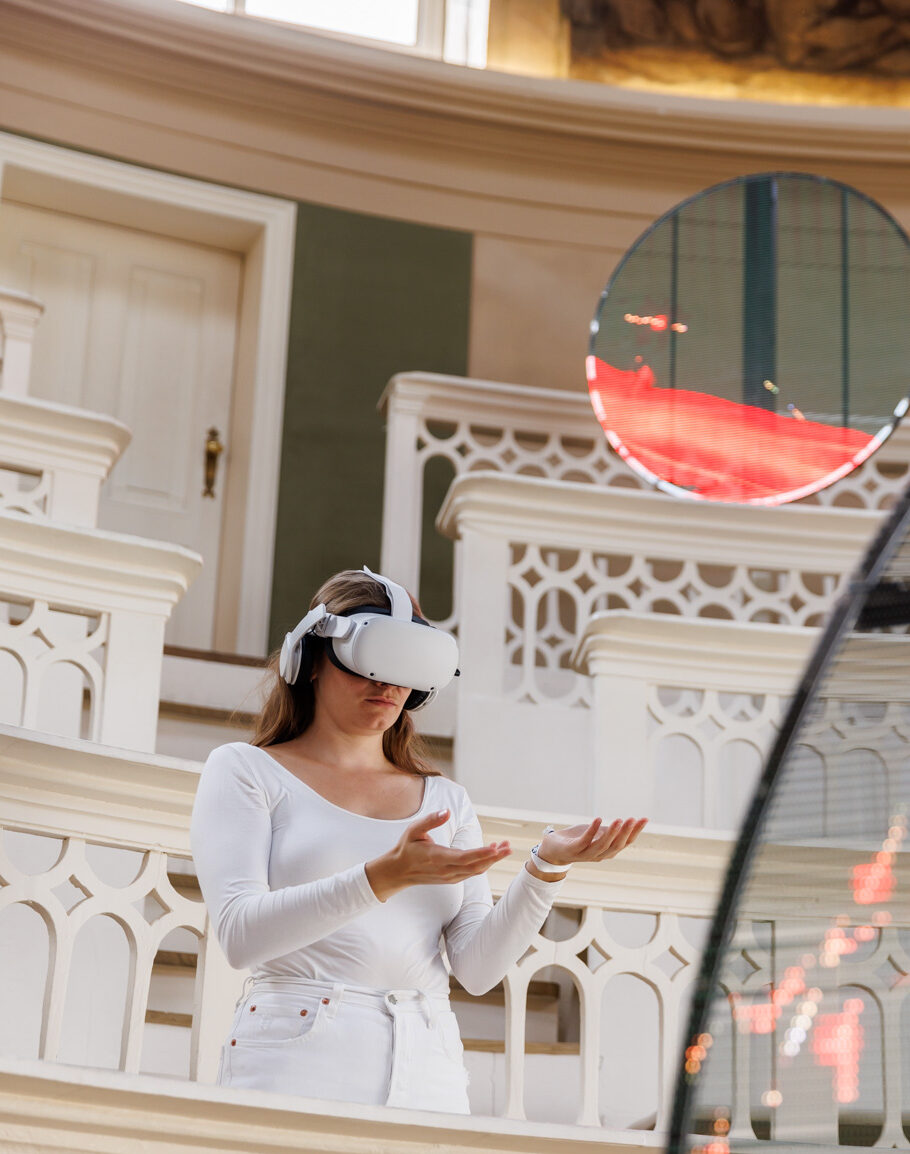
Choreography of State deconstructs the embodied gesture of law enforcement and border patrol to reveal the dramaturgy of violence perpetrated by the state. This multi-media installation-performance approaches choreography as a forensic practice, exposing systems of militarized police training shaped by racialized surveillance, spatial exclusion, and the pacification of resistance.
The work invites women choreographers from diverse practices around the world to create dance notations that function as evidence of these power structures. Taking cues from protests, the installation exhibits videos of scores of resistance to be activated by performers and embodied by the audience in a celebration of self-defense.
Dance, Multimedia Performance, Performing Arts, Socially-Engaged Performance
2026

About Tania El Khoury
Rhinebeck, NY
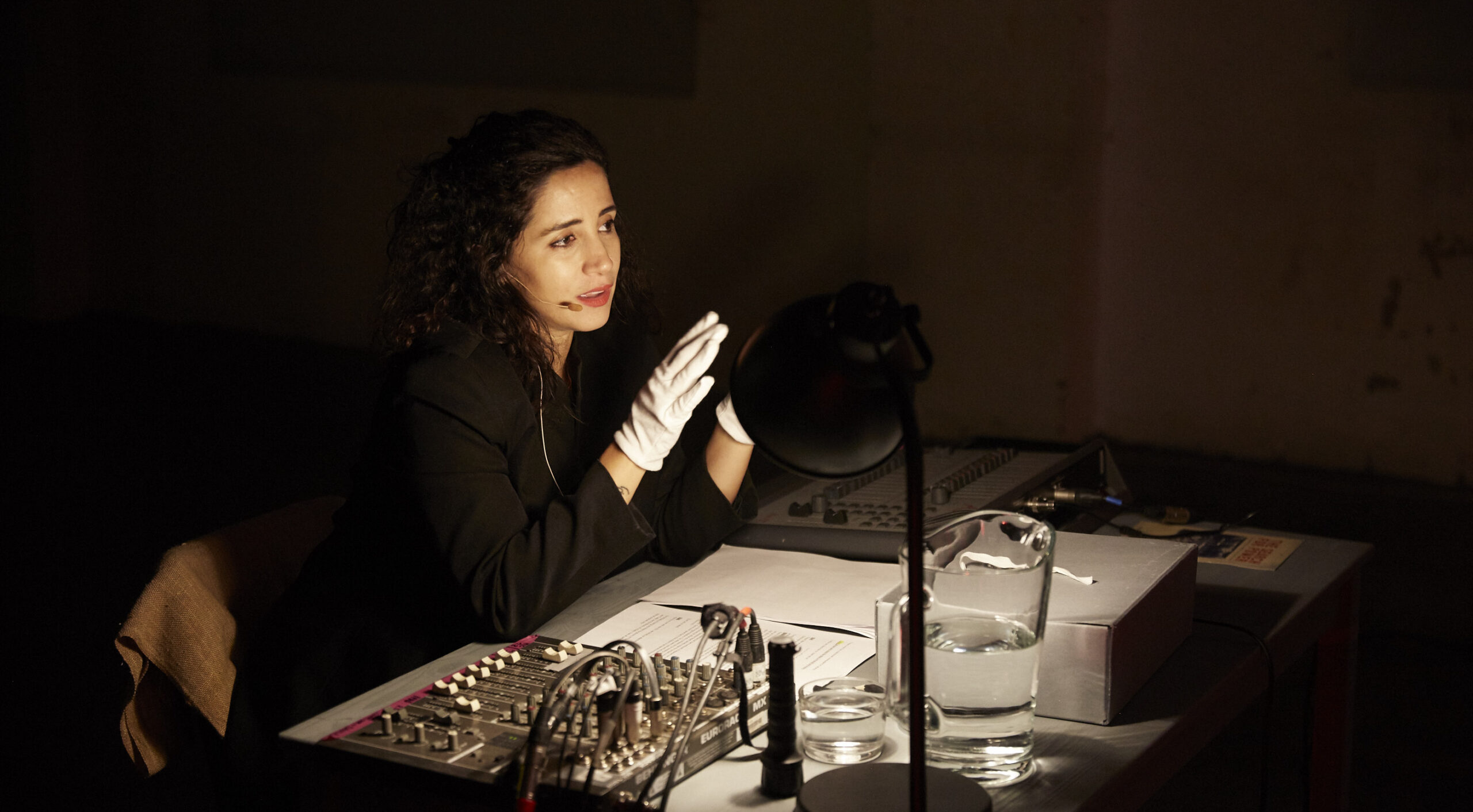
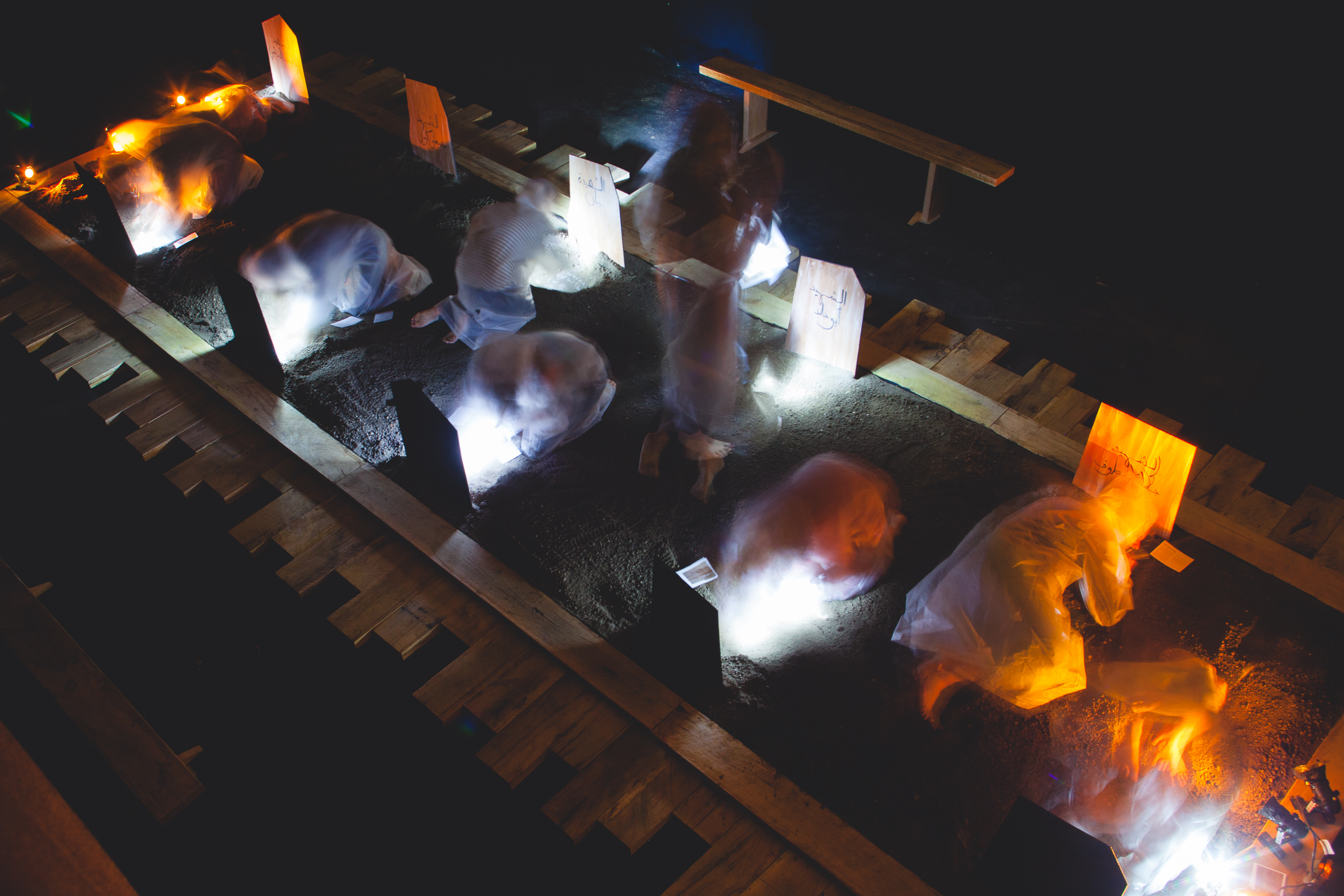
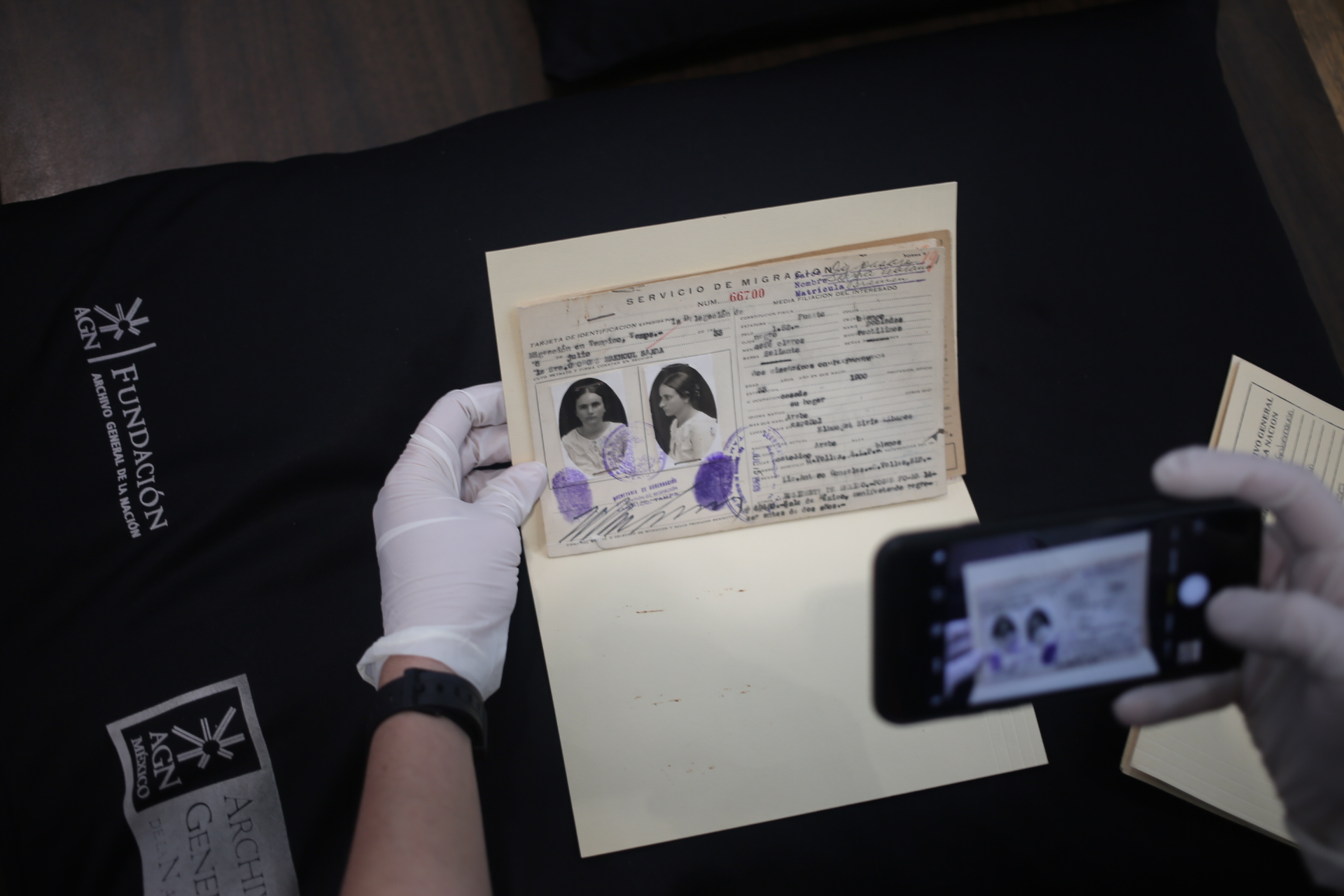
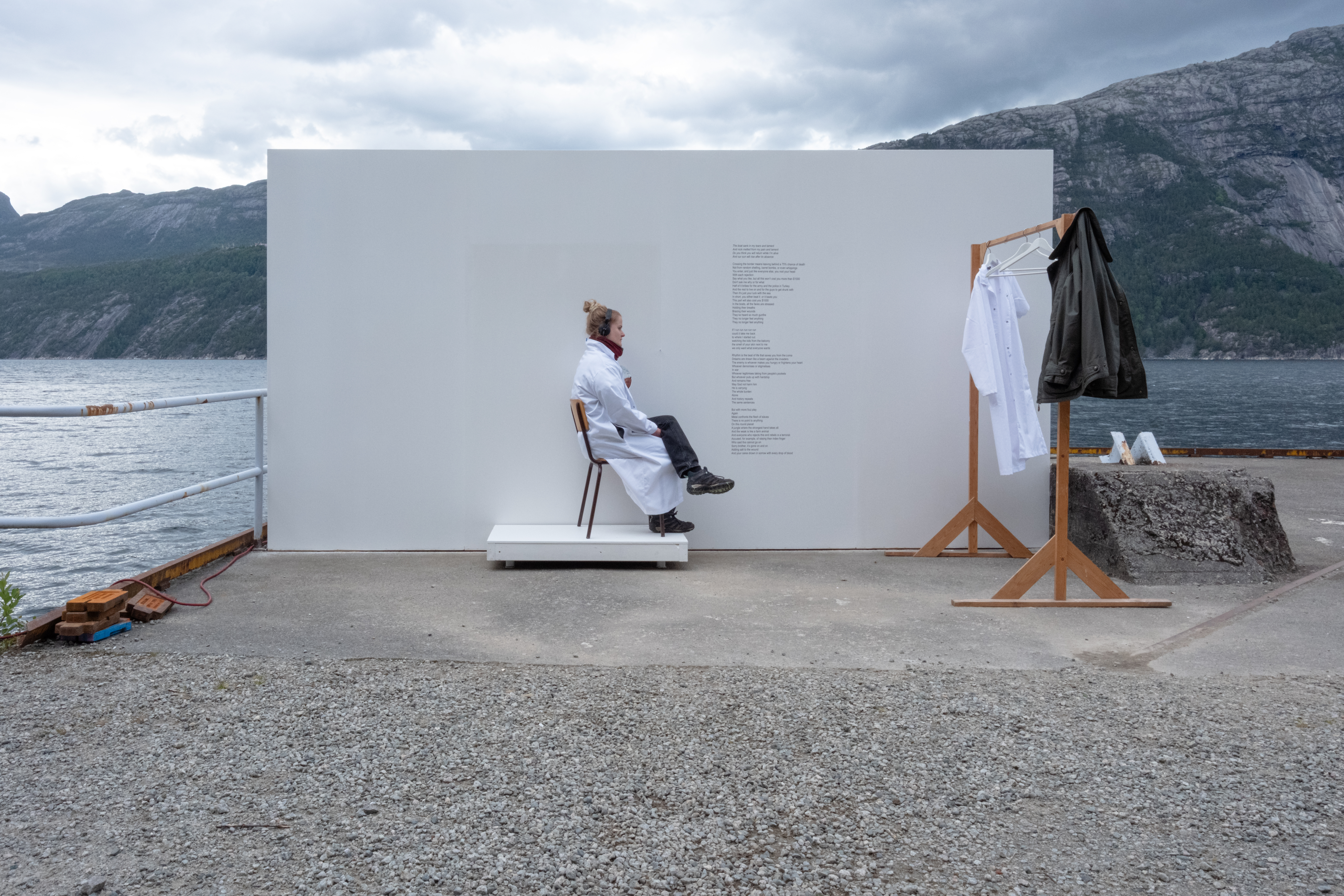
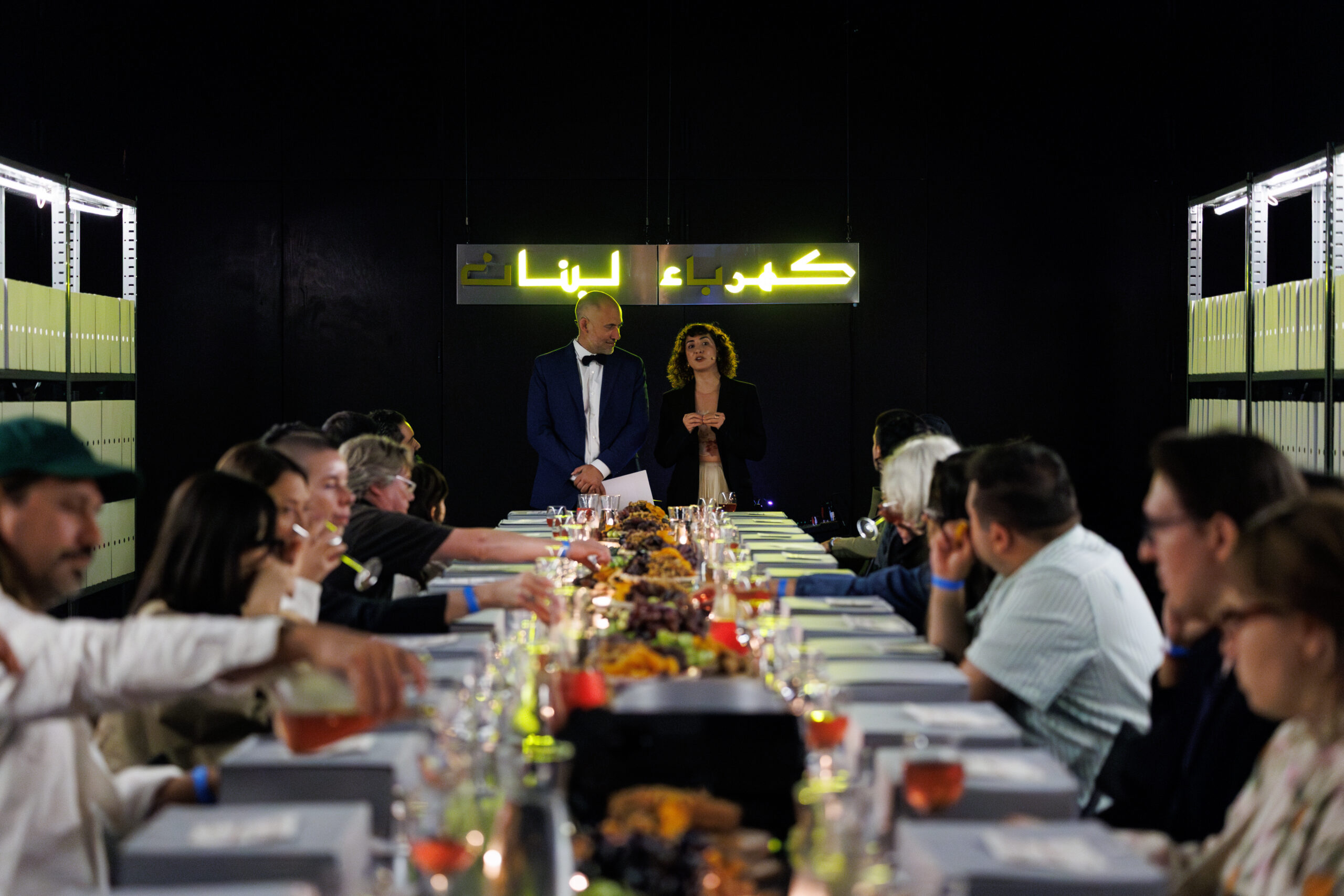
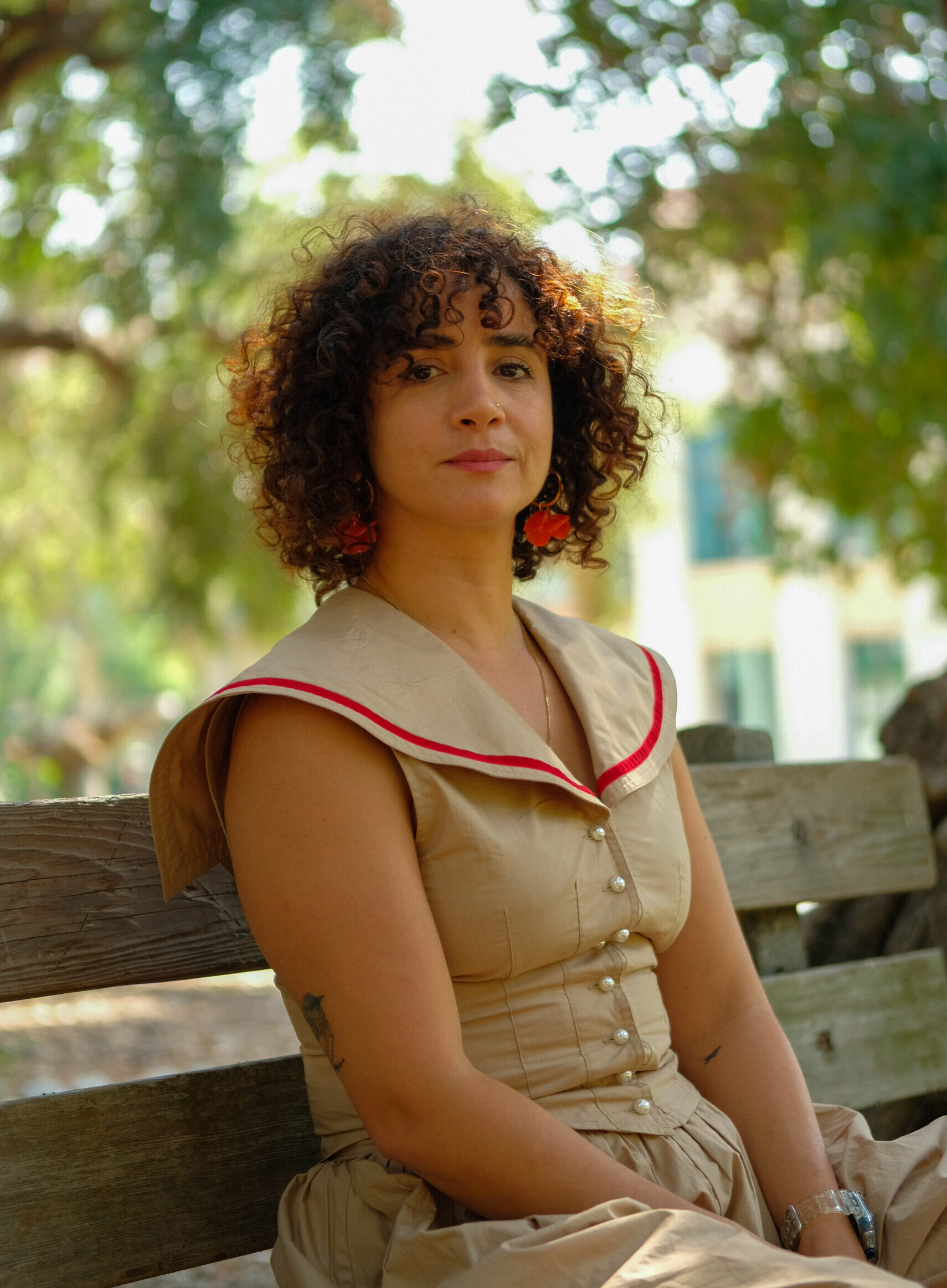 Tania El Khoury is a live artist who creates interactive installations and performances that generate knowledge and alternative narratives, while reflecting on the production of collective memory and the cultivation of solidarity. Her practice is activated by tactile, auditory and visual materials collected and curated by the artist and her collaborators, and ultimately transformed through audience interaction. El Khoury’s work engages questions of displacement, border systems, privatization, and the politics of space. Her work has been translated into multiple languages and shown in 35 countries across 6 continents in spaces ranging from museums to seashores. She is the recipient of the Creative Capital Award, Herb Alpert Award in the Arts, Soros Art Fellowship, the Bessie Outstanding Production Award, the International Live Art Prize, the Total Theatre Innovation Award, and the Arches Brick Award. Tania is Distinguished Artist in Residence and Associate Professor of Theater & Performance at Bard College where she is also the founding director of the Center for Human Rights & the Arts at Bard College. She holds a PhD from Royal Holloway, University of London. She is a co-founder of the urban research and live art collective, Dictaphone Group in Lebanon.
Tania El Khoury is a live artist who creates interactive installations and performances that generate knowledge and alternative narratives, while reflecting on the production of collective memory and the cultivation of solidarity. Her practice is activated by tactile, auditory and visual materials collected and curated by the artist and her collaborators, and ultimately transformed through audience interaction. El Khoury’s work engages questions of displacement, border systems, privatization, and the politics of space. Her work has been translated into multiple languages and shown in 35 countries across 6 continents in spaces ranging from museums to seashores. She is the recipient of the Creative Capital Award, Herb Alpert Award in the Arts, Soros Art Fellowship, the Bessie Outstanding Production Award, the International Live Art Prize, the Total Theatre Innovation Award, and the Arches Brick Award. Tania is Distinguished Artist in Residence and Associate Professor of Theater & Performance at Bard College where she is also the founding director of the Center for Human Rights & the Arts at Bard College. She holds a PhD from Royal Holloway, University of London. She is a co-founder of the urban research and live art collective, Dictaphone Group in Lebanon.